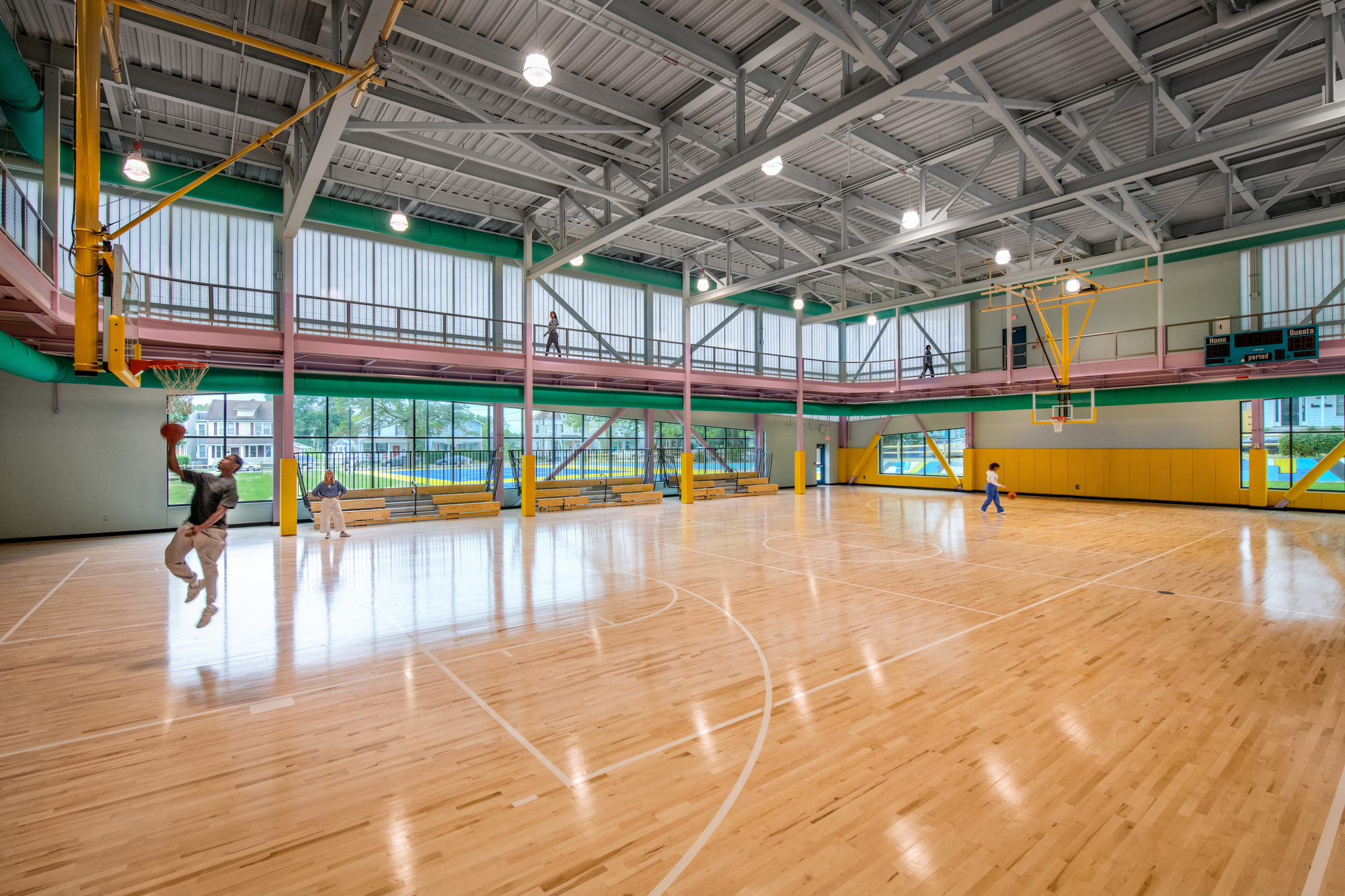
"For neurodivergent individuals, stimuli such as loud noises and abrupt changes in light can provoke significant discomfort or intense physical and cognitive reactions, highlighting the need for sensitive design."
"Light is not only visual; it is neurological. Its movement and changes can profoundly affect cognitive comfort, especially for those with greater sensory sensitivity."
"Daylighting is often treated as a quantitative variable, measured mainly by illuminance levels, yet the design of openings and surface types critically shapes light experiences."
"Different daylighting strategies produce radically different spatial experiences, demonstrating how small material differences can significantly affect internal environments."
Neurodivergent individuals, including those with autism, ADHD, and dyslexia, often react strongly to sensory stimuli like light and noise. The built environment significantly influences their comfort levels. Light affects cognitive comfort through its movement and intensity, with extreme contrasts and glare causing fatigue and distraction. Architects play a crucial role in shaping these experiences, yet daylighting is often oversimplified. Innovative approaches, such as those by Kalwall, treat daylight as a material, emphasizing the importance of design choices in creating comfortable spaces for neurodivergent individuals.
Read at ArchDaily
Unable to calculate read time
Collection
[
|
...
]