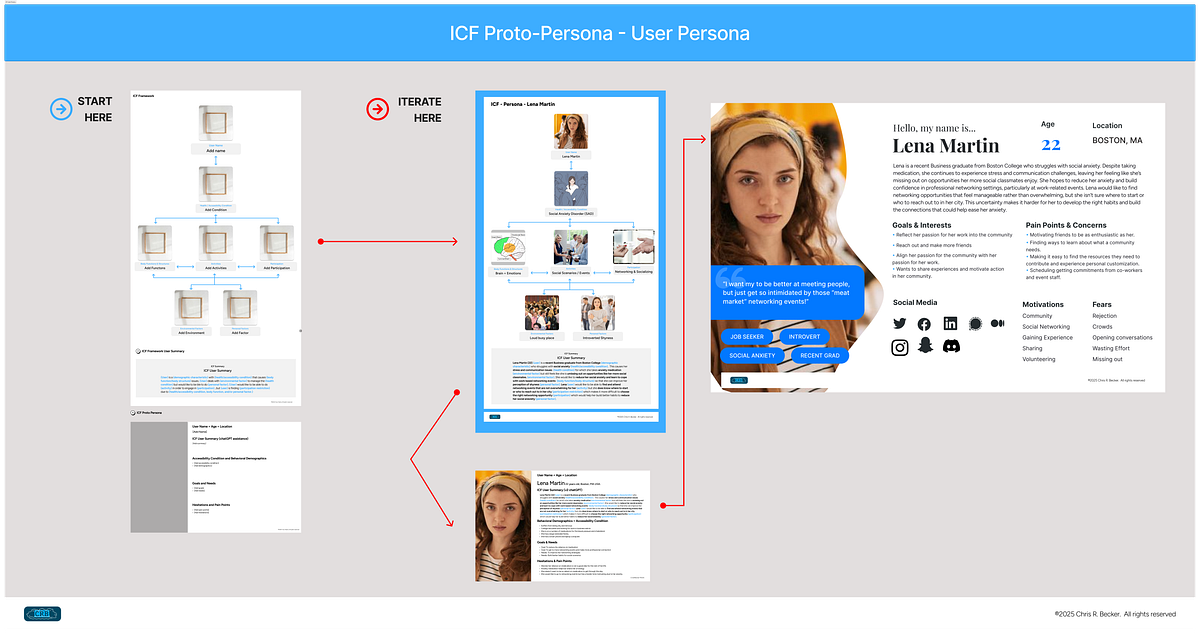
"Perhaps user personas have been lowballed for speed purposes, or maybe the reliance on design templates (I'm looking at you, Figma and Canva), or maybe AI is to blame (yes, we can blame AI for a lot of the ills in our creative process); either way, they have been maligned, but I hope we can do better."
"I suspect the most likely culprit is that accurately capturing a human being (your user) through a user persona artifact is really hard. We have rapidly moved into a space where creating user personas has never been easier, yet never been more difficult to get right while adding value to the design process."
"Speed in user persona development is useful, but speed does not equal quality. AI, in this case, has just made it harder to succeed, as the starting point requires so much lifting."
User personas serve as important tools for human-centered design but frequently fall short in practical application. The ease of creating personas through templates and AI-driven tools has paradoxically made it harder to produce quality results. Speed-focused development, reliance on design platforms like Figma and Canva, and AI solutions prioritize quick generation over meaningful insights. The fundamental challenge lies in accurately capturing the complexity of actual human users through persona artifacts. While technology has democratized persona creation, it has simultaneously lowered quality standards. The starting point for effective personas now requires substantial effort to overcome the limitations of quick, template-based approaches. Success demands moving beyond speed-driven methods to prioritize depth and authenticity in user representation.
Read at Medium
Unable to calculate read time
Collection
[
|
...
]