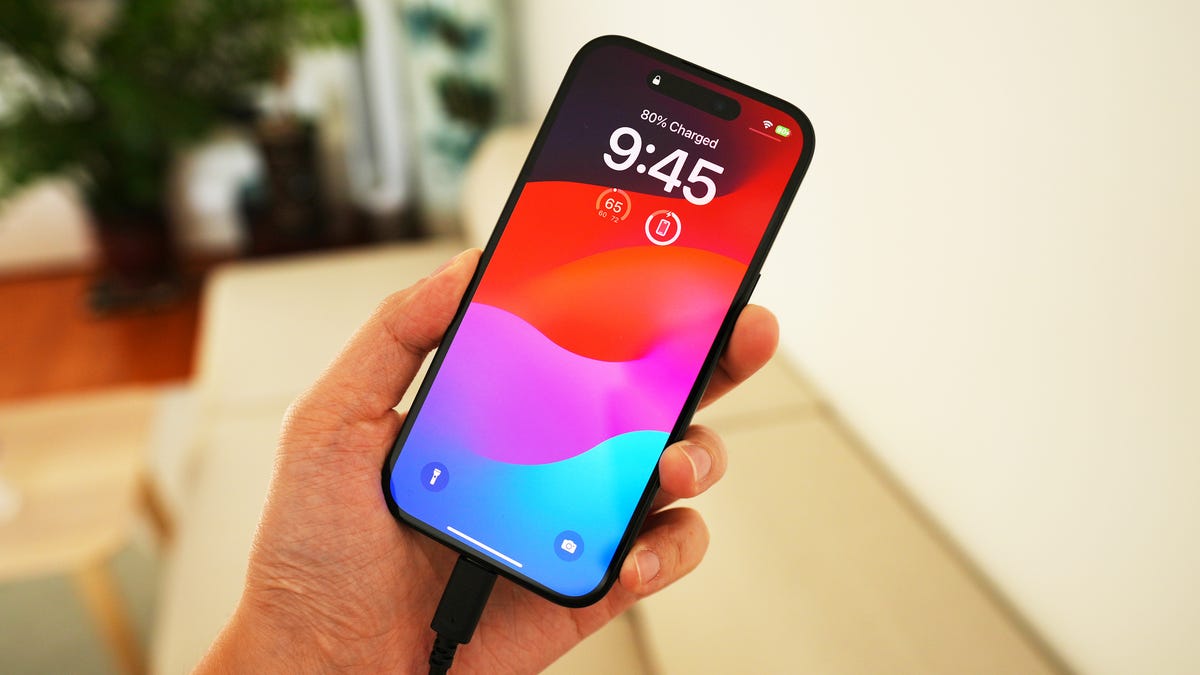
"The moment you connect a charger to your device -- whether it's a smartphone, tablet, laptop, or power bank -- the charger wakes up, and the two gadgets quickly negotiate the best and safest voltage and current combo to use before getting on with charging. Then, both the charger and the device being charged continuously monitor voltage, current, and temperature to ensure the charging is safe and nothing blows up or catches fire."
"Once the gadget is close to being fully charged, the charger ramps down the voltage until the battery is full, at which point charging stops. And if a malfunction causes an overcurrent or overvoltage spike, or a short circuit in the cable or device, the charger steps in and cuts power."
"As with most new technologies, this technology goes by various names. Anker calls it Care Mode, while other manufacturers use "intelligent" charging, "smart regulated," and sometimes "AI" for good measure. They're different terms for a similar thing."
Modern USB chargers are sophisticated devices that negotiate optimal voltage and current with connected devices while continuously monitoring safety parameters. Traditional chargers ramp down power as devices approach full charge, then stop completely. Smart adaptive chargers represent an evolution of this technology, using various names like Care Mode or intelligent charging to further optimize the charging process. These chargers employ advanced monitoring and regulation to reduce battery wear and extend device lifespan. The technology addresses the explosion in USB charger power outputs over recent years, offering smarter power management than conventional chargers.
Read at ZDNET
Unable to calculate read time
Collection
[
|
...
]