"To capture the biological impact of this extreme environment, I used a comprehensive suite of sensors and biomarker analyses. I wore a wireless electroencephalograph (EEG) system to monitor brain activity, sleep stages and neural signatures of stress and adaptation; the Oura Ring to continuously track sleep patterns, heart-rate variability and circadian-rhythm shifts; and the glucose monitor to follow metabolic responses in real time."
"Five days in complete darkness and silence where no light, sound or time cues could reach me. I was physically alone and my activities became a series of improvized rituals: eating slowly so I could savour the only sensory input I had, stretching to release tension, reviewing memories and sometimes simply sitting and listening to my own heartbeat."
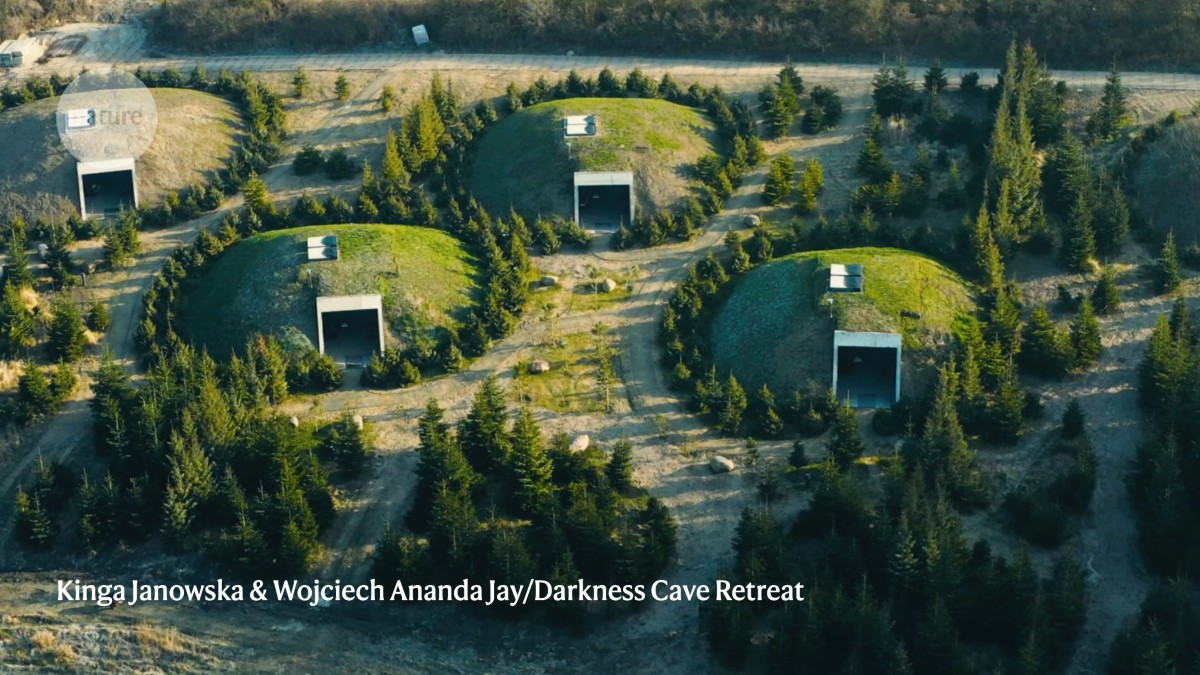
A scientist and engineer from the University of California, San Diego entered a five-day darkness retreat cave in rural Wróblewo, Poland to study physiological effects of total sensory deprivation. The participant improvised rituals, ate slowly, stretched, reviewed memories, and sat listening to the heartbeat. Continuous biosensing included wireless EEG to monitor brain activity and sleep stages, an Oura Ring for sleep patterns, heart-rate variability and circadian shifts, and a continuous glucose monitor for metabolic responses. Extensive multi-omics samples were collected before, during and after the retreat, including blood proteomics, to capture changes in physiology and metabolism under extreme isolation.
Read at Nature
Unable to calculate read time
Collection
[
|
...
]