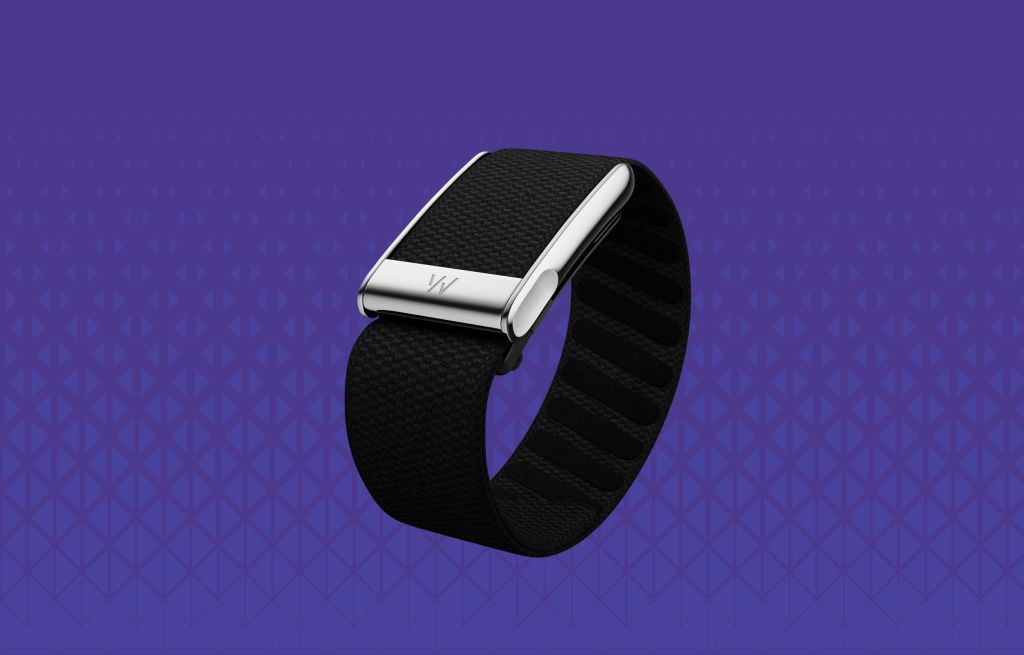
"No screen means weeks of battery life instead of daily charging, enabling the 24/7 health monitoring these brands are betting on. It's also a style consideration. "If it has a screen, then it's a watch," Whoop CEO Will Ahmed told WSJ. "If it's a watch, then you can't wear two watches.""
"Whoop raised $575 million in March while smart ring maker Oura pulled in over $900 million, both now valued north of $10 billion. The market got so hot that Google just launched its own screenless tracker-the $100 Fitbit Air ships May 26."
"Apple Watch still dominates the wearables market, but the others aren't trying to compete head-on. Instead, they're differentiating by removing the one feature everyone assumed was essential. No screen means weeks of battery life instead of daily charging, enabling the 24/7 health monitoring these brands are betting on."
Sales of screenless fitness trackers rose 88% between 2024 and 2025. Whoop raised $575 million in March, and Oura raised over $900 million, with both companies valued above $10 billion. Google launched a $100 screenless tracker called Fitbit Air, shipping May 26. Apple Watch remains the dominant wearable, but other brands avoid direct competition by removing screens. Without a screen, devices can last for weeks rather than requiring daily charging. This supports continuous 24/7 health monitoring. The approach also affects styling, since a screenless device can be worn alongside other watches.
Read at Entrepreneur
Unable to calculate read time
Collection
[
|
...
]