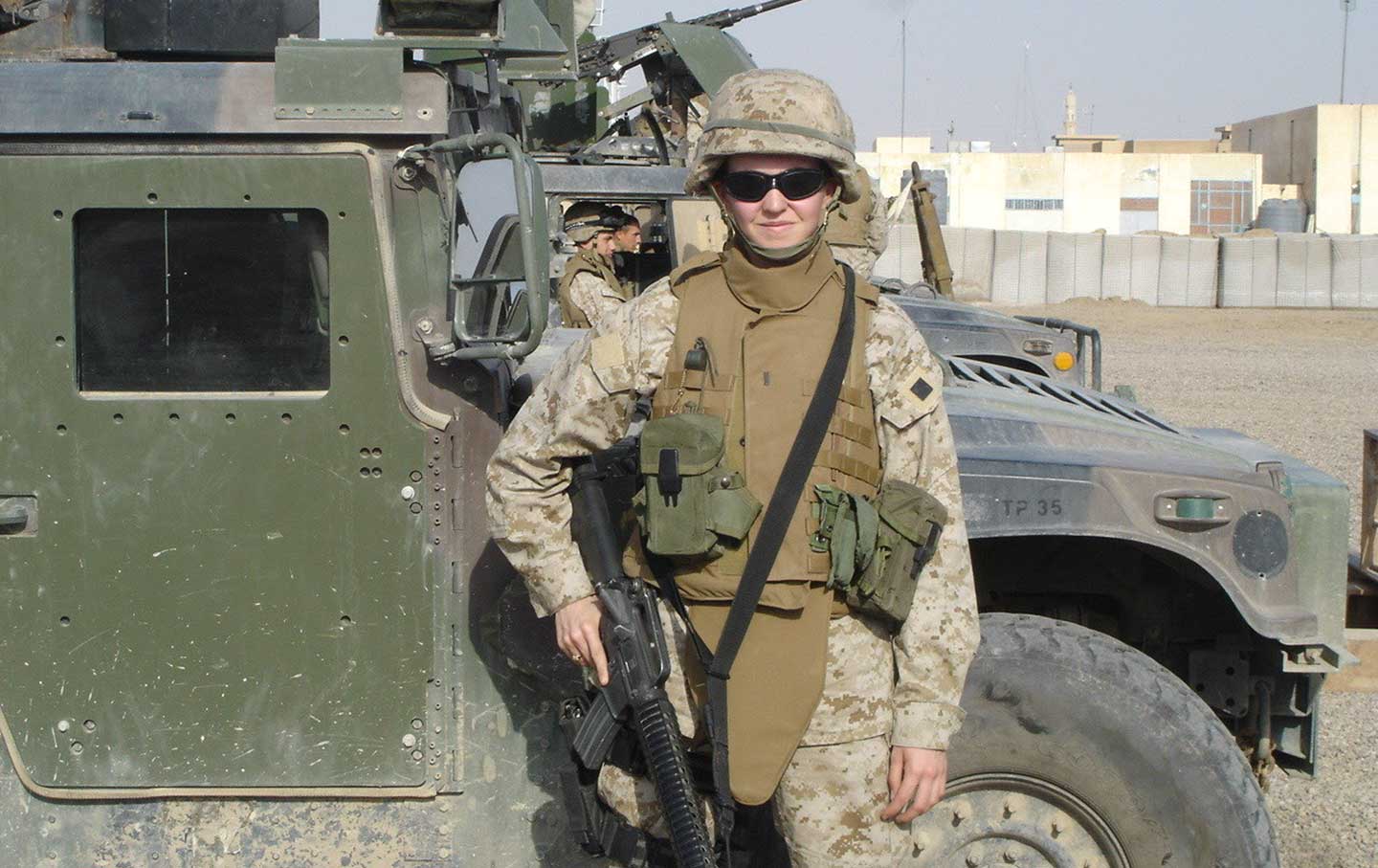
"They are remembered as "the lionesses." In June 2005, three female Marines died in combat in Fallujah, Iraq, even though women couldn't yet serve in combat roles. So did three men in their convoy, when a grisly suicide bombing by Iraqi militants sent 13 other Marines, 11 of them women, to hospitals and left some with lifelong injuries. The tragedy underscored a poorly hidden truth: Women were already serving on the dangerous front lines of US wars,"
"In 2015, Defense Secretary Ash Carter announced that all combat jobs would be open to women, "as long as they qualify and meet the standards." Carter acknowledged that the Marine Corps continued to ask to bar women from certain military roles, including infantry, but refused to grant an exception. "We are a joint force, and I've decided to make a decision that applies to the entire force," Carter said."
"Less than a decade later, a defense secretary who may be less qualified than many women in combat would begin to try to dismantle that policy. Pete Hegseth came to office with benighted views of women in combat. "I'm straight up just saying we should not have women in combat roles," he said on a manosphere podcast in November 2024. "It hasn't made us more effective. Hasn't made us more lethal. Has made fighting more complicated.""
In June 2005 three female Marines died in combat in Fallujah, Iraq, alongside other Marines after a suicide bombing, sending many to hospitals and leaving lifelong injuries. Women could not officially serve in combat roles then, yet were already serving on dangerous front lines, and policies segregating them and denying equal weapons or armor increased risk for all. In 2012 Defense Secretary Leon Panetta moved to open combat jobs to women and service branches developed integration protocols. In 2015 Defense Secretary Ash Carter declared all combat jobs open to qualified women. Less than a decade later Pete Hegseth sought to reassess and challenge that policy.
Read at The Nation
Unable to calculate read time
Collection
[
|
...
]