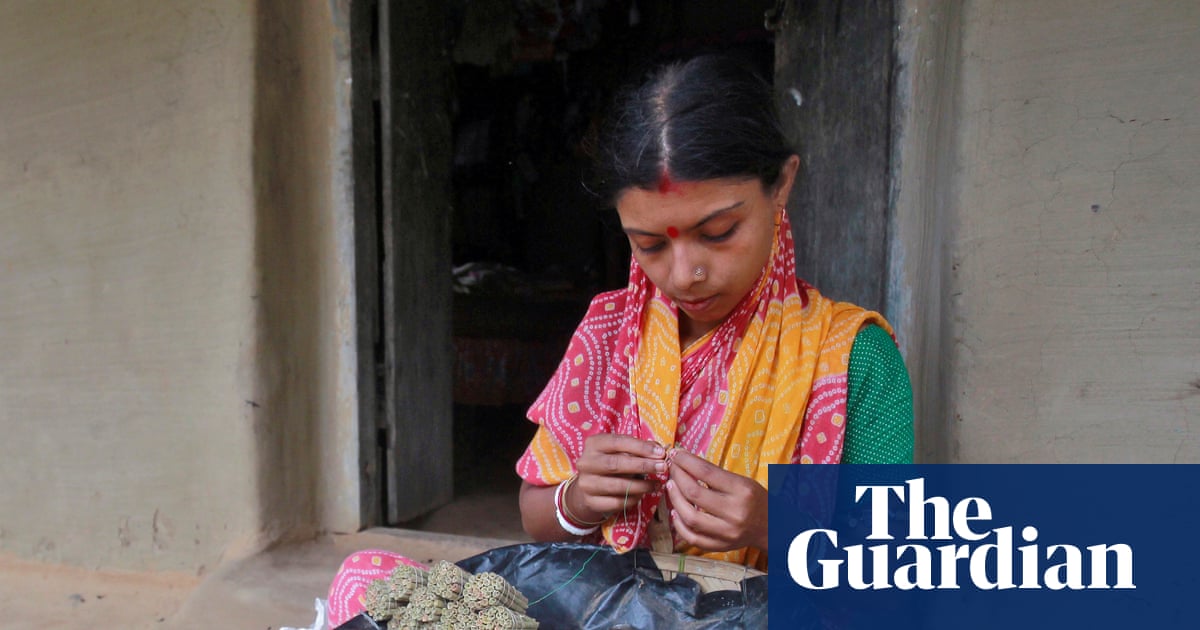
"Khanum rolls about 300 to 500 thin cigarettes daily, earning a little more than 1 on a good day, while working in cramped conditions without basic facilities."
"The Melbourne declaration holds governments accountable, emphasizing their obligation to ensure local civil society is adequately resourced and politically protected."
"Khanum has no contract or payslips; as far as the state is concerned, she does not work at all, illustrating the systemic neglect of informal workers."
"The document calls for the priorities and knowledge of those most affected by injustice to shape the work of the gender-equality ecosystem."
Shazia Khanum, a 16-year-old girl in Karnataka, India, rolls bidis for a living, earning minimal wages in poor working conditions. She lacks basic sanitary facilities and manages her period with makeshift solutions. Despite global initiatives like the Melbourne declaration for gender equality aiming to address injustices, girls like Khanum remain unrecognized and unsupported in the informal sector. The declaration emphasizes accountability for governments to resource local civil society and prioritize the needs of those most affected by gender inequality, highlighting a significant gap between policy and reality for marginalized girls.
Read at www.theguardian.com
Unable to calculate read time
Collection
[
|
...
]