"There is a lot of uncertainty if we look further into the year with respect to what are going to be the secondary impacts of this war - inflation, possibly a reduction in demand. There are some question marks about how this is eventually going to flow through the economy."
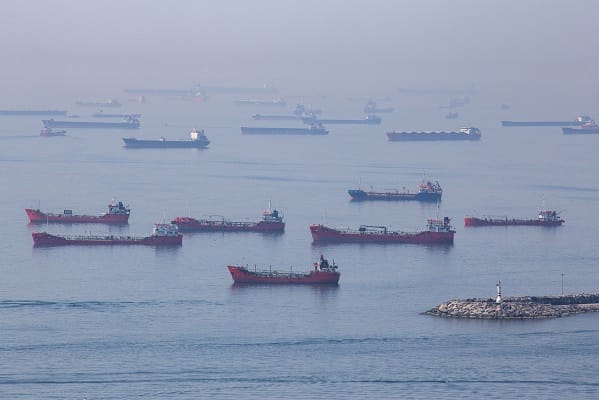
"The Strait of Hormuz, a vital shipping lane through which around a fifth of global oil supplies pass, has become a focal point for concern among shipping and energy markets, with any sustained disruption expected to feed directly into higher fuel costs and freight rates."
"The Danish shipping giant, carries roughly around one in five of the world's seaborne containers, said the disruption is driving a sharp increase in costs in the current quarter and beyond, although it has so far offset the impact by raising prices for customers."
Maersk, which carries approximately one-fifth of global seaborne containers, faces monthly losses of around $500 million due to disruptions linked to the Iran conflict. Rising freight rates and energy volatility are rippling through global supply chains, with the company offsetting costs through price increases to customers. The closure or restriction of critical routes, particularly the Strait of Hormuz through which one-fifth of global oil supplies pass, poses significant risks to global trade. CEO Vincent Clerc highlighted uncertainty regarding secondary economic impacts including inflation and potential demand reduction. Despite reporting better-than-expected first-quarter results, Maersk's pre-tax profit fell sharply to $292 million from $1.43 billion year-over-year, with revenues declining 2.6 percent. The company maintained full-year guidance forecasting 2-4 percent container market growth but described the outlook as highly uncertain.
#shipping-industry-disruption #iran-conflict-impact #supply-chain-crisis #strait-of-hormuz #freight-rate-volatility
Read at London Business News | Londonlovesbusiness.com
Unable to calculate read time
Collection
[
|
...
]