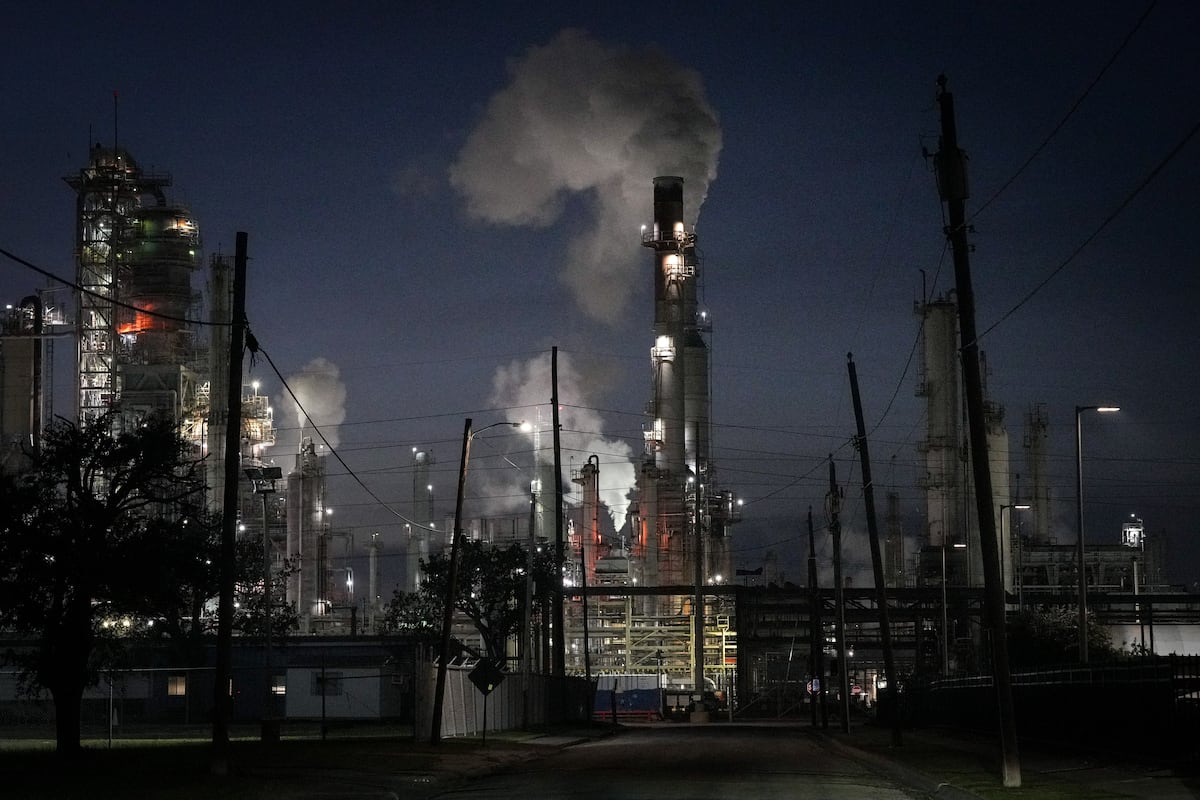
"For oil and gas importing countries, especially the poorest ones, it means suffering. It also means hardship for Persian Gulf exporters, accustomed to abundance, who are now seeing their sales channels cut off. And it means a windfall for fossil fuel powers outside the region, who are able to selland at much higher priceseverything they extract from the ground."
"One name stands out: the United States, which in little more than a decade has gone from significant energy dependence to a hegemony now reinforced by the warits own waragainst Iran. Spurred on by the closure of the Strait of Gibraltar, the U.S. is now the world's largest supplier of fossil fuels and, for the first time since World War II, a net exporter of crude oil."
"With Saudi Arabia, the United Arab Emirates and Iraq severely hamperedonly able to transport a portion of their production via pipelineand Kuwait and Bahrain unable to sell a single barrel on the global oil market, U.S. crude is finding buyers much more easily. By destination, U.S. crude oil exports to Asia and Europe have skyrocketed, given the urgent need of both continents to replace all the oil they previously received from the Persian Gulf."
"It's a lucrative business for their energy companies, but one that American consumers are bearing the brunt of: like the rest of the world, they are having to pay significantly more every time they fill up at the gas stationwhere prices are now averaging $4.50 per gallon, just over one euro per literor buy a plane ticket. The latest figures from the U.S. Energy Information Administration (EIA) reveal that the country's oil exports reached a new record last week: six million barrels per day."
A blockade of the Strait of Hormuz disrupts oil and gas trade, harming importing countries, especially the poorest. Persian Gulf exporters face reduced access to global sales channels, while fossil-fuel powers outside the region gain higher prices and easier export opportunities. The United States emerges as a major beneficiary, moving from energy dependence to a reinforced hegemony supported by its war against Iran. With Saudi Arabia, the United Arab Emirates, and Iraq constrained in transporting only part of their production, and Kuwait and Bahrain unable to sell any barrels, U.S. crude finds buyers more easily. U.S. exports to Asia and Europe rise sharply, including crude oil, diesel, and kerosene, while American consumers bear higher fuel costs.
#strait-of-hormuz #oil-and-gas-markets #united-states-energy-exports #global-fuel-prices #persian-gulf-geopolitics
Read at english.elpais.com
Unable to calculate read time
Collection
[
|
...
]