"The island's energy, trade and financial dependence on the recently-dissolved socialist bloc resulted in shortages of fuel, food, and raw materials, as well as a GDP drop of more than 40% in just three years."
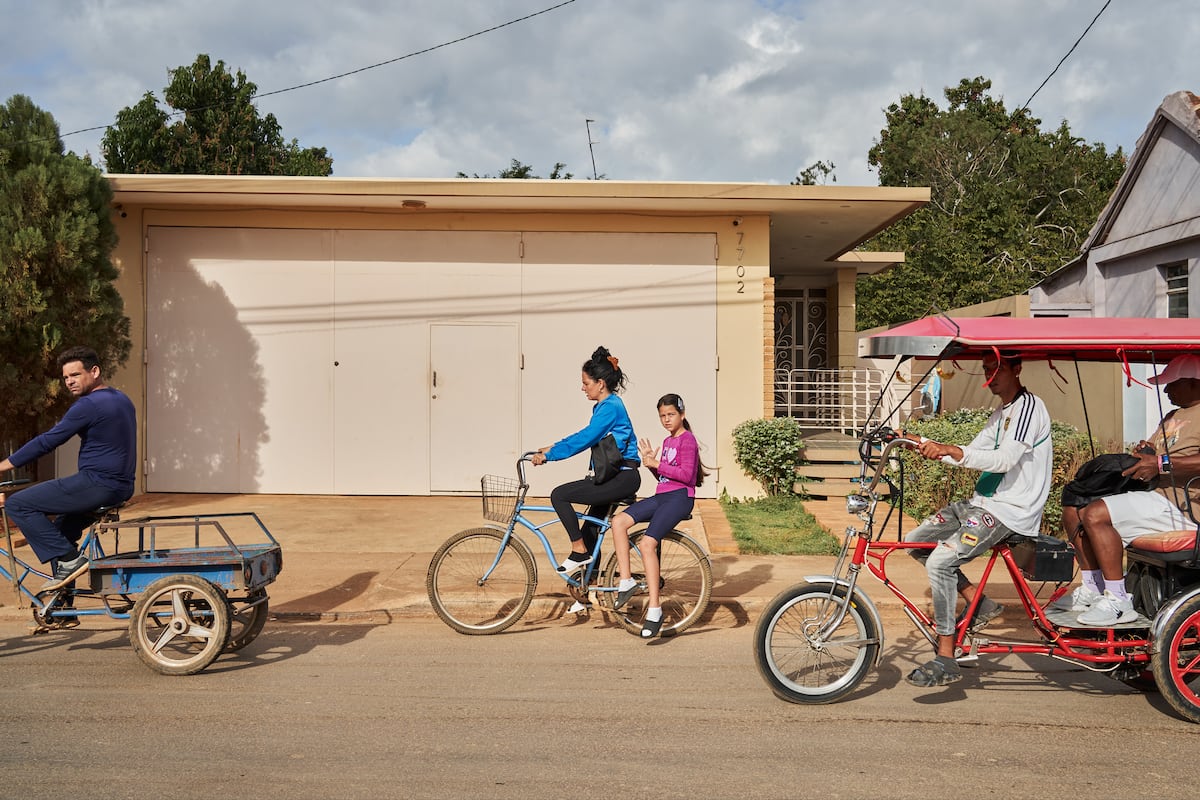
"The fuel shortages have resulted in blackouts, reduced access to basic necessities and, of course, limited transportation. The streets of Havana are now almost empty of buses and cars."
"Every time there's a crisis in this country, the first thing to go is fuel. Then, everything gets really expensive so, it's better to ride a bike. It's cheaper, faster and, besides that, you get exercise."
"To compensate for the lack of motorized transportation, the government imported more than a million bicycles from China, selling them at ridiculously low prices, or directly assigning them to state workers."
The collapse of the Soviet Union in 1989 plunged Cuba into the Special Period, causing a significant economic downturn and shortages of essential goods. The current crisis, exacerbated by the U.S. control of Venezuela, has led to fuel shortages impacting daily life. Transportation options have dwindled, with bicycles becoming the primary means of travel. The government responded by importing over a million bicycles from China, making them affordable for citizens. This shift reflects a historical pattern of adapting to crises through alternative transportation methods.
Read at english.elpais.com
Unable to calculate read time
Collection
[
|
...
]