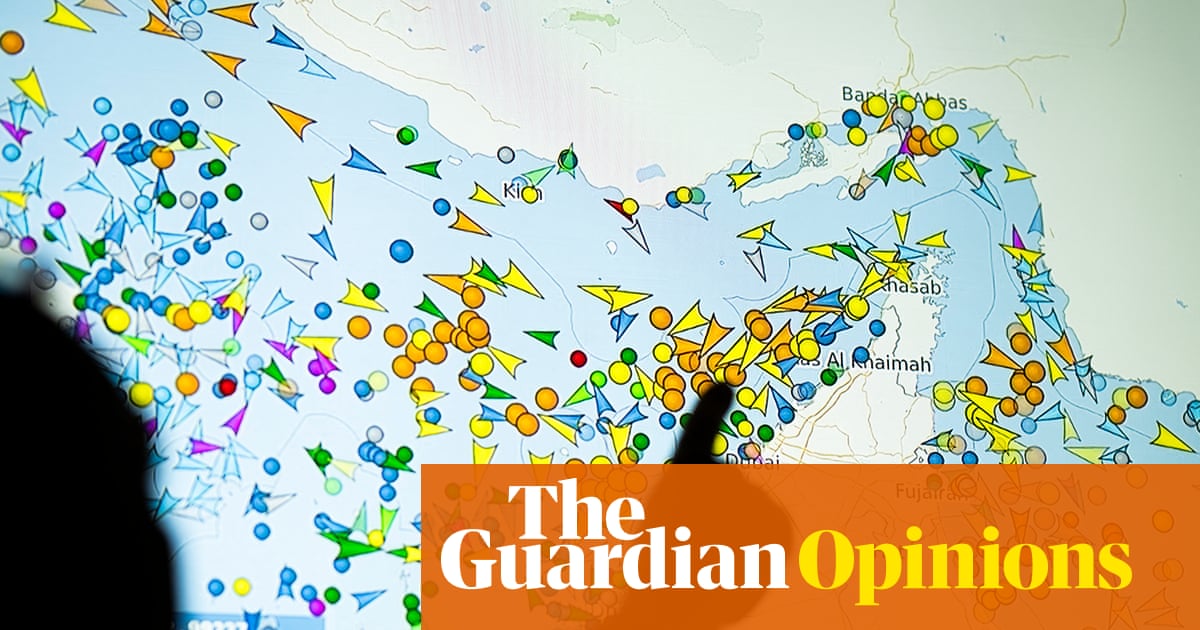
"After months of war, the US has struggled mightily to compel Iran to restore stable passage through the strait of Hormuz, let alone accept Washington's core demands the abandonment of Iran's nuclear programme, dismantlement of its missile forces and cancellation of its regional proxy networks. Iran's military is badly degraded and its regime disrupted, but as of today it continues to prevent most countries from shipping oil, gas, fertiliser and helium through the strait."
"The global economy is at risk, Donald Trump's domestic approval is sliding, Russia is profiting, and US military preparedness particularly in the Indo-Pacific is suffering. The US is superior to Iran on every measure of national power that matters. It possesses military forces of overwhelming scale, the world's largest economy, and the ability to cut nations off from global markets through the power of the dollar."
"Why has Iran been able to frustrate the US's designs so thoroughly? The core problem is that while Trump has claimed to be negotiating, in practice he has relied almost exclusively on military and economic pressure rather than the give and take of real diplomacy. A more workable approach would offer Tehran assurances and incentives substantial enough to make the risks of signing a deal with Washington worth taking. And it would respect the red lines that the regime has showed it will not budge on."
"Trump's approach is a form of coercive diplomacy. Coercive diplomacy can and has worked in the past. But it requires making demands the adversary can meet without jeopardising its own survival. That, for example, was the logic behind the coercive diplomacy that brought the Serbian leader Slobodan Milosevic to the table over Bosnia in 1995 and to terms over Kosovo in 1999. With Iran today, however, Washington's demands have verged on a call for unilateral disarmament."
After months of war, the US has failed to restore stable passage through the Strait of Hormuz or secure major Iranian concessions. Iran’s military is degraded and the regime is disrupted, yet it continues to restrict most countries from shipping oil, gas, fertiliser, and helium. Global economic risk is rising while US domestic approval declines and US military preparedness, especially in the Indo-Pacific, suffers. Russia benefits from the situation. The US holds major advantages in national power, including military scale, economic strength, and the ability to restrict access to global markets via the dollar. The main obstacle is reliance on military and economic pressure rather than real diplomacy. A workable approach would provide Tehran assurances and incentives aligned with Iran’s stated red lines, because coercive diplomacy succeeds only when demands are meetable without threatening survival.
#iran-us-relations #strait-of-hormuz #coercive-diplomacy #nuclear-and-missile-policy #geopolitical-and-economic-risk
Read at www.theguardian.com
Unable to calculate read time
Collection
[
|
...
]