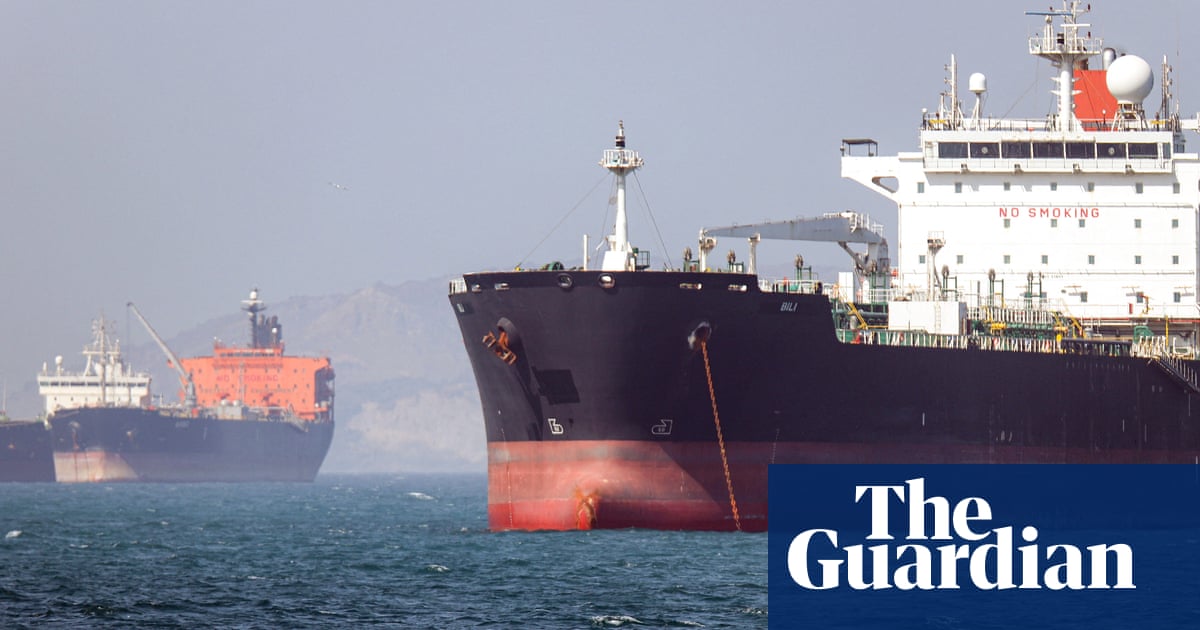
"Saudi Arabia refused to drop its objections despite a personal call between the crown prince, Mohammed bin Salman, and Trump. The confrontation underlines Saudi Arabia's desire for a permanent end to the damaging US-Israel war on Iran on almost any terms, in contrast to its more assertive Gulf neighbour, the United Arab Emirates."
"Saudi Arabia also feared Project Freedom did not have clear terms of engagement and could turn into a risky naval confrontation between Iran and the US, marking the effective end of the ceasefire that had been in partial force since 7 April. Iran had explicitly said it would treat the US military escort of oil tankers or attacks on Iranian shipping as a ceasefire breaches."
"In a sign of the Emirates' frustration with Riyadh's caution, the UAE has already quit the Saudi-dominated oil producers' club, Opec, and is now considering leaving the Arab League as well. The tensions within the Gulf have widened as the war has dragged on, causing untold damage to their economies and international image."
Saudi Arabia refused to allow the United States to use Prince Sultan airbase for Project Freedom, a military escort operation for oil tankers in the Strait of Hormuz. Despite a personal call between Crown Prince Mohammed bin Salman and Trump, Riyadh maintained its objection. Saudi Arabia feared the operation lacked clear rules of engagement and could trigger a naval confrontation with Iran, violating the ceasefire in place since April 7. Iran had warned it would treat US military escorts as ceasefire breaches. This refusal reflects Saudi Arabia's preference for ending the US-Israel conflict with Iran, contrasting with the UAE's more assertive stance. The UAE has grown frustrated with Saudi caution, quitting OPEC and considering leaving the Arab League.
#saudi-arabia-military-refusal #strait-of-hormuz-security #us-iran-tensions #gulf-regional-divisions #ceasefire-negotiations
Read at www.theguardian.com
Unable to calculate read time
Collection
[
|
...
]