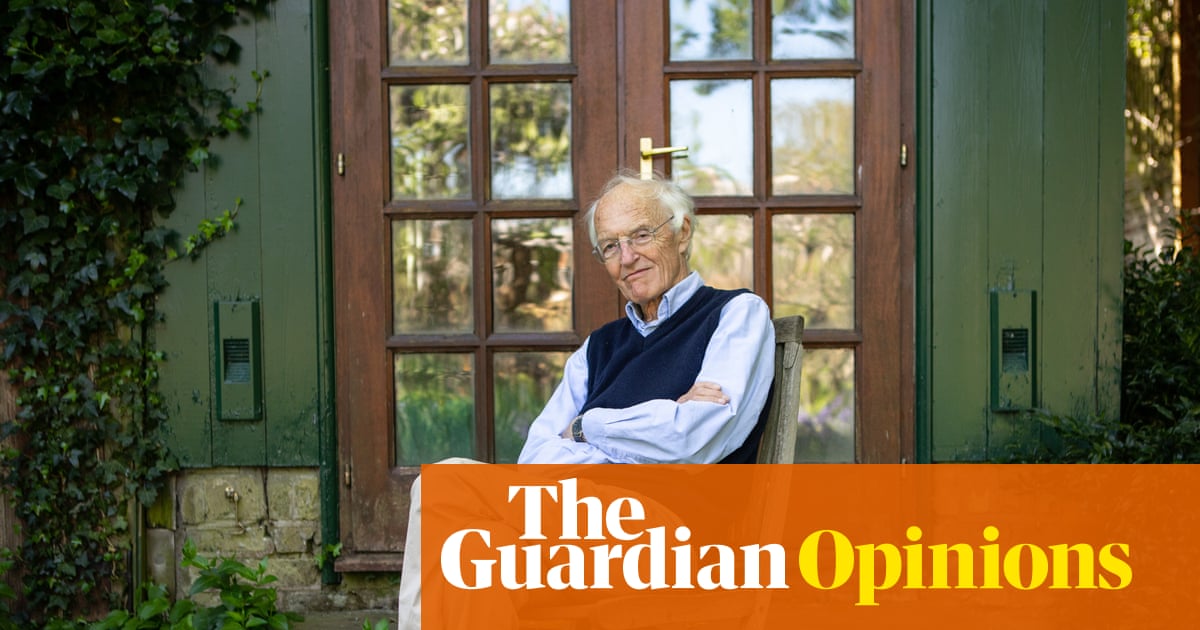
"Nobody comes in and gives you a clock. Frayn was 72 at the time. Since then, he has added a further novel (Skios), a play (Afterlife) and two memoirs to a backlist that includes the hugely successful plays Noises Off and Copenhagen (a revival of which has just finished at the Hampstead theatre in London). Now, at 92, that clock has caught up with him. Sadly it's over, he told Radio 4 this week. Writing has been my life."
"On his 80th birthday earlier this year, Julian Barnes announced that his aptly titled novel Departure(s) would be his last. I've played all my tunes, he said. Like Frayn, Barnes has been suffering from health issues. But this sense of an ending, to borrow the title of Barnes's 2011 Booker prizewinner, is more existential than physical. The struggle with writing is over, a Post-it note on Philip Roth's computer read."
"Retirement announcement is not a modern phenomenon. Dickens embarked on a farewell tour of readings in his final two years. He was still working on Edwin Drood when he died. Thankfully, novelists are notoriously unreliable. Maeve Binchy announced her retirement aged 60, but her devoted readership disagreed, and she wrote another six novels before her death in 2012. Stephen King first quit in 2002 when he was 54, but continues to publish a novel a year."
"Public demand brought back Sherlock Holmes, but rather than kill off Jack Reacher, Lee Child has handed the series on to his brother Andrew Grant, so he can retire peacefully. Fears of losing relevance or repetition, diminishing stamina or wanting to quit at the top of your game, as King put it, are all sensible reasons for a writer to h"
Retirement is portrayed as an unsettling concept for writers, who are often not inclined to stop creating. Several writers have announced endings, including Michael Frayn and Julian Barnes, with health issues and an existential sense of closure. Philip Roth left a note indicating the struggle with writing was over, while Ernest Hemingway’s remark links retirement to an ugly word. Other writers have not truly stopped: Dickens continued working late in life, Maeve Binchy wrote additional novels after announcing retirement, Stephen King returned to publishing, and Lee Child passed a series to continue without him. Public demand, relevance concerns, and stamina considerations shape decisions about stopping or continuing.
Read at www.theguardian.com
Unable to calculate read time
Collection
[
|
...
]