"I want to ask you a question: Do you think the choices you make today will have any impact on your future? If we stop to think about it, most of us would say, "Yes, of course." But we don't actually live that way. We tend to view our days as a series of isolated events-a mishmash of choices that seem totally inconsequential in the moment. We choose what to eat, what to watch, or how to react to a spouse, assuming these small moments vanish as soon as they pass."
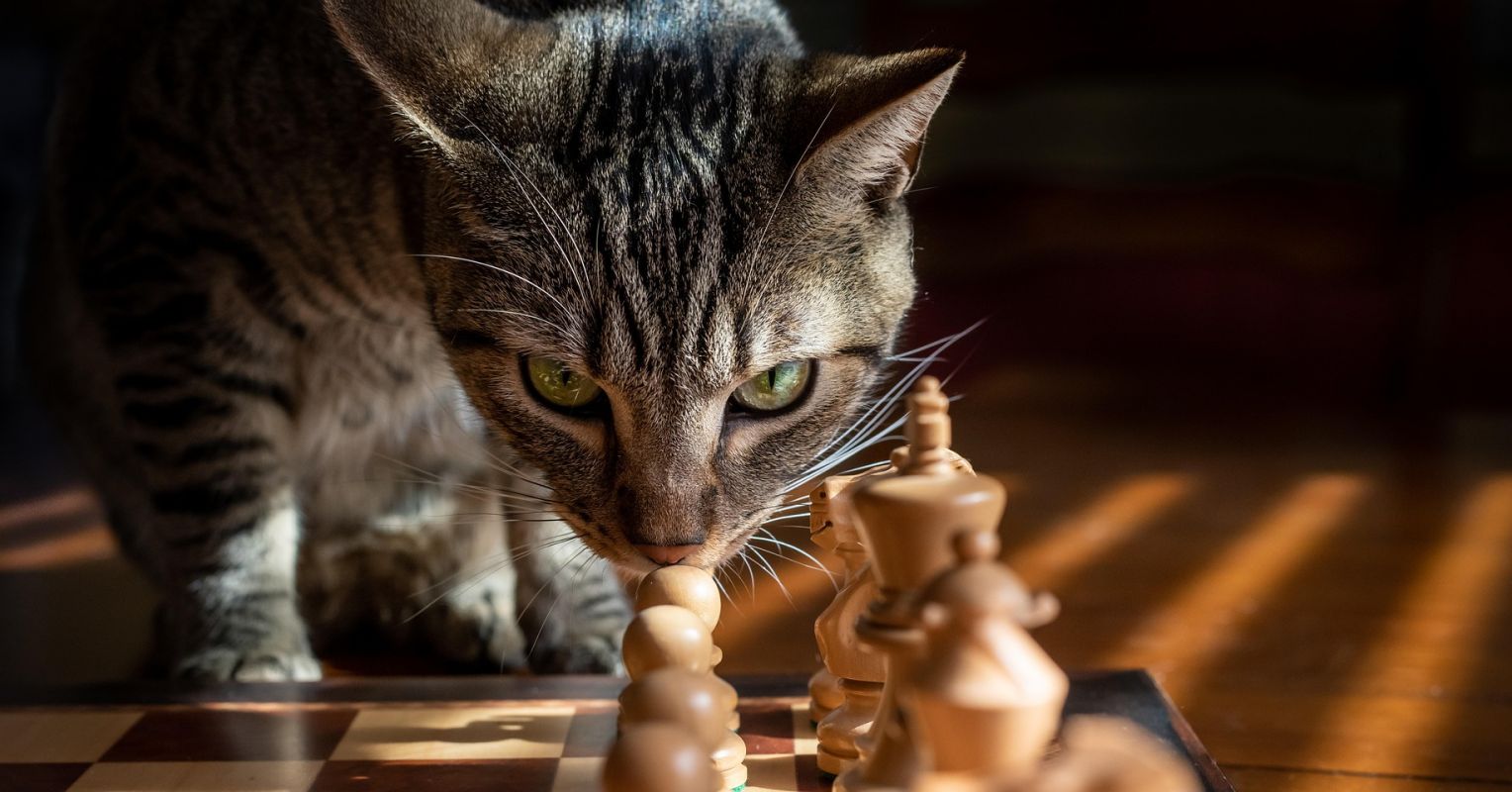
"The hardest part of playing the "game of life" is that, unlike chess, we rarely see the immediate result of a move. There is a "lag time." A blunder in the opening moves of a chess match might not cause you to lose the game until 40 moves later. Life is the same. A healthy, vibrant teenager who starts smoking won't feel the negative effects for decades, but when they arrive, they arrive with a vengeance."
Every daily choice influences future outcomes because actions have delayed consequences and accumulate over time. Small, repeated habits produce winning or losing positions years later, as immediate effects often remain invisible. Negative behaviors can take decades to manifest serious harm, while consistent positive choices yield durable benefits. Treating life like a strategic game encourages forethought about ripple effects and long-term positioning. The most effective approach is to pursue positive-sum moves that improve the overall situation rather than short-term gains that harm future options.
Read at Psychology Today
Unable to calculate read time
Collection
[
|
...
]