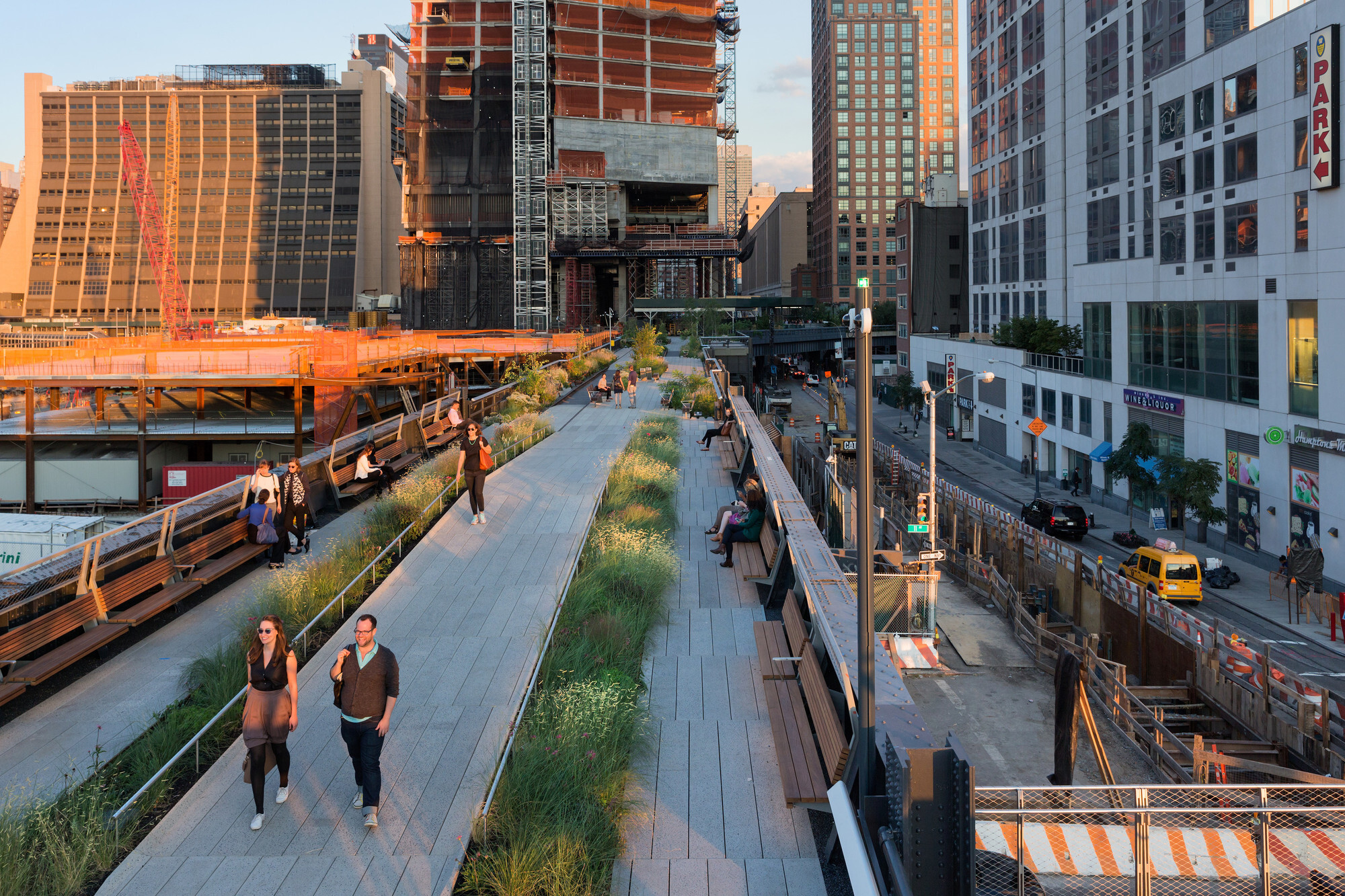
"Architectural heritage is often described as what survives time. Yet survival does not explain why certain buildings are preserved while others disappear. Many works now protected as cultural heritage were once criticized, contested, or openly rejected; they were accused of being socially misguided, materially flawed, or symbolically excessive. Over time, however, these same shortcomings have become central to their meaning as heritage emerges as a slow and unstable process of interpretation."
"Contemporary architecture operates under intense scrutiny, pressured by environmental responsibility, social equity, economic volatility, and accelerated technological change. Buildings are expected to perform ethically, efficiently, and symbolically, often simultaneously. As a result, architectural failure is no longer an exception but an increasingly common condition. Projects age faster, materials reveal limitations sooner, and urban strategies quickly fall out of sync with shifting political, social, and environmental realities."
"Against this backdrop, the question of heritage can no longer be reduced to what deserves preservation based on architectural merit alone. It becomes necessary to ask what aspects of today's built environment might endure as meaningful records of our time, even when they fall short of their original ambitions. If heritage is continuously constructed rather than inherited, then failure (material, social, systemic, climatic) may play a central role in shaping what is ultimately kept, transformed, or reinterpreted."
Architectural heritage comprises more than survival; selective preservation reflects social, material, and symbolic judgments that change over time. Buildings once criticized for being socially misguided, materially flawed, or symbolically excessive can gain value as those shortcomings become meaningful. Contemporary architecture faces intense scrutiny from environmental, social, economic, and technological pressures, making performance demands ethical, efficient, and symbolic. Consequent failures are common: projects age faster, materials reveal limitations sooner, and urban strategies lose alignment with shifting realities. Heritage should be understood as continuously constructed; failure—material, social, systemic, or climatic—can shape what endures, is transformed, or reinterpreted.
Read at ArchDaily
Unable to calculate read time
Collection
[
|
...
]