London
fromianVisits
1 hour agoA rare sight as Big Ben starts telling two times at once
One side of Big Ben is stuck showing 12 noon for ten days due to weatherproofing repairs.
Rosamund Pike's portrayal of Judge Jessica Parks is a high-energy performance, showcasing her ability to balance the demands of the law with her personal life. The character embodies the struggle of women who must navigate multiple roles, often sacrificing their autonomy for the needs of others.
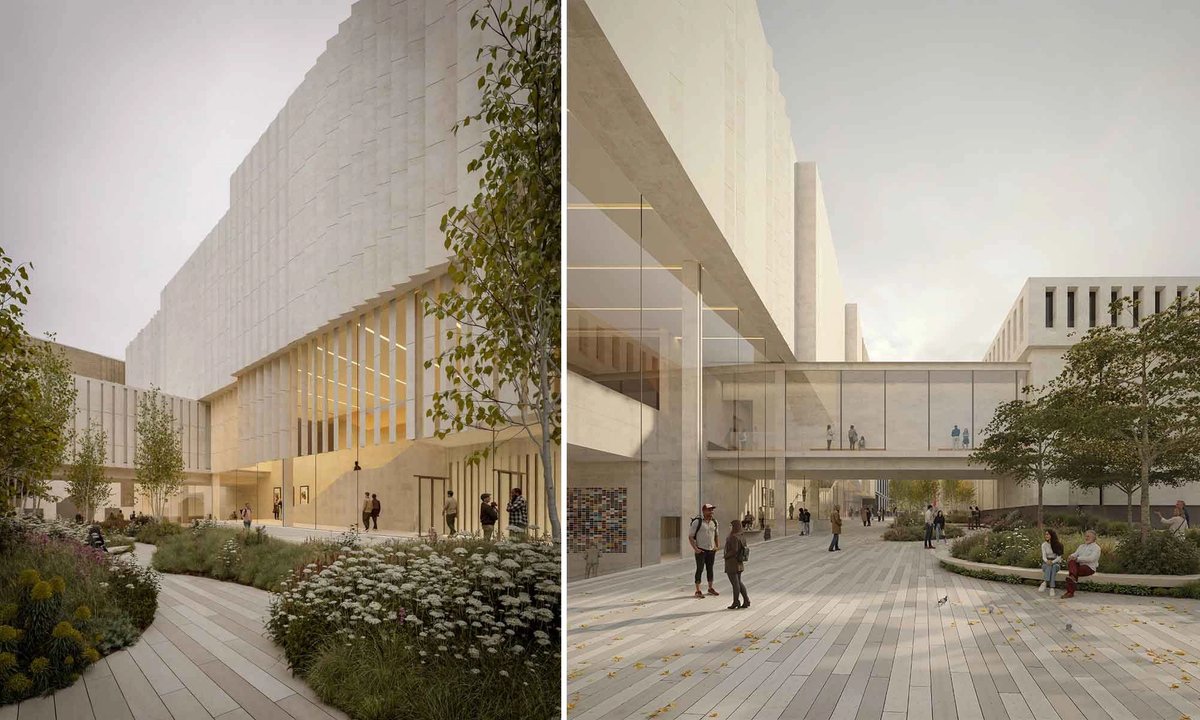
'With the recent news that the building's redevelopment is on track for autumn 2027, our inbox has been overflowing with residents asking if we'll be involved,' says the Castle in a statement.
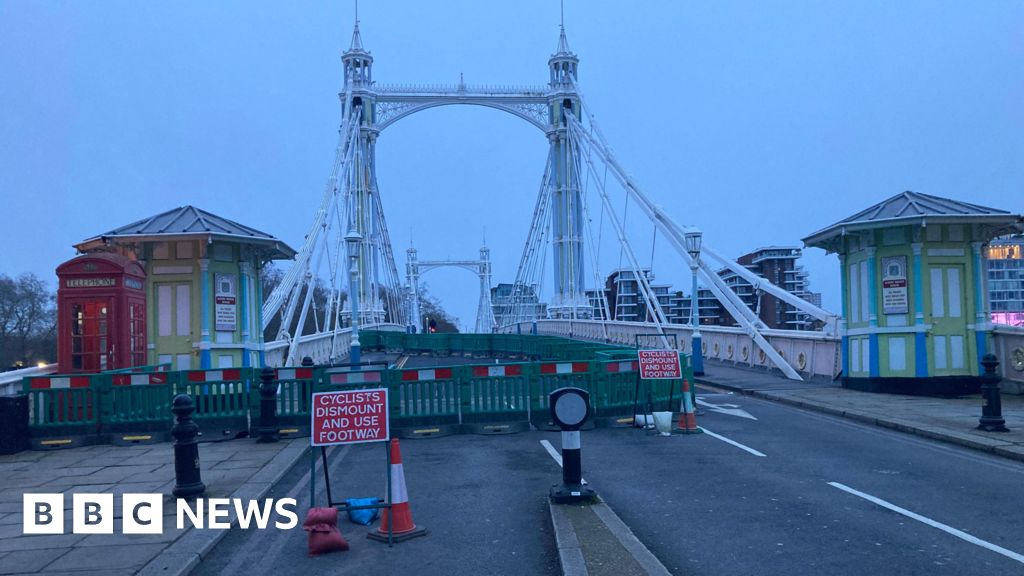
The main focus of the project is replacing the existing timber decking on the walkway, which has reached the end of its useful life. It will be replaced with glass-reinforced plastic panels, a more durable material designed to withstand heavy passenger use and last for many years.
The building, an office block with shops on the ground floor, is at the eastern end of Oxford Street, just north of Soho Square, and sits above the possible route of the Crossrail 2 railway, if/when it is eventually built.
Despite its proximity to one of London's busiest tourist attractions, its back street location is remarkably quiet and peaceful. Leading off Stafford Place, it was originally, and unsurprisingly, called Stafford Mews, as it was built as stabling for houses on Buckingham Gate, facing the palace. Constructed around 1860, the stables were simple two-storey houses, built initially with stables at the ground and accommodation above.
Originally called the Grand Triumphal Arch, it was built in part to commemorate Britain's victories in the Napoleonic Wars and as part of King George IV's remodelling of Hyde Park and Buckingham Palace. Announced in 1825, it would take a year of wrangling to settle on a design for the arch. The chosen architect, Decimus Burton, initially planned a triumphal arch modelled on the Arch of Titus in Rome,
Three of London's mainline terminus stations have announced more dates for the Railway 200 themed heritage tours that they were running last year. The tours will run once a month from January to March next year at London Bridge, Victoria, and Waterloo stations and will be led by Network Rail and historian-author Rachel Kolksy. They will last around two hours and involve walking around each station and the surrounding areas. The tours will cost £25 per person and dates are below. London Bridge station Tickets
If you're an art deco architecture geek, you'll no doubt know all about Ibex House. The shimmering pale office building, which you'll find on the east side of the Minories in the City, is renowned for its long streamline moderne curves and mesmerising black-framed windows. The vast H-shaped structure is Grade II-listed and one of London's most remarkable surviving art deco buildings.
Network Rail was granted planning permission by the City of London to transform the station. Liverpool Street was last redeveloped in 1991 and passenger numbers have tripled since then, making it London's busiest terminal. It's estimated that 158 million people could pass through the station in 2041. With the approved plans created by ACME architects, 'Pool Street will see it's concourse capacity increased by 76 percent while the station will be made fully accessible with step-free access from street level to all platforms including the London Underground.
The new trains are the first of a fleet of 94 new trains being built in Yorkshire at the moment, and will eventually replace the Piccadilly line's existing 50-year old rolling stock. However, before passengers can ride the new trains, they need hundreds of hours of testing and assurance that they will work as expected. And testing has been underway ever since the first train arrived in London last year.
The story of this corner of London runs deep. The roots of settlement here stretch back to the 10th century, when King Edgar granted 13 acres of riverside land to 13 knights (yes, an acre per knight), with permission to use it for trading along he river. By 1125, there was already a dock at St Katharine's. Over the centuries, the area grew into a small but busy community, complete with a hospital, a monastery, a school, almshouses and its own court.
American hotel chain MCR bought the spindly Fitzrovia superstar from BT Group for a cool £275 million. This was incredibly exciting news, as the former centre of the 'white heat of technology' (as then-Prime Minister Harold Wilson dubbed the communications centre upon its opening in 1964) had reduced public access after anarchist collective the Angry Brigade set off a bomb there in 1971.
For most of its life, the alley's main feature was the church of St Martin Orgar, possibly named after Ordgarus, a Dane who donated the church to the canons of St Paul's. Sadly, most of the church was destroyed during the Great Fire of London. The badly damaged remains were restored and used by French Protestants right up to 1820.
There's a new way for people to display their Tube loyalties* as the London Transport Museum has started selling a range of moquette doormats. Just two patterns and one roundel at the moment, but if you use the Bakerloo or Elizabeth lines, you can have a bit of seat pattern on your doorstep. For everyone else, there's the Mind the Gap in roundel form.