#collective-bargaining-agreement
#collective-bargaining-agreement
[ follow ]
#wnba #revenue-sharing #free-agency #player-salaries #player-compensation #salary-cap #labor-negotiations


fromBleacher Nation
1 month agoOne More Chicago Cubs Valuation Puts the Team at the $5 Billion Mark - Bleacher Nation
Forbes has the Cubs worth an even $5 billion, up 9% from last year. They are the 4th most valuable club in baseball, behind the Yankees ($8.5 billion), Dodgers ($7.8 billion), and Red Sox ($5.25 billion.
Chicago Cubs
#nfl-labor-negotiations
National Football League
fromESPN.com
1 month agoSources: Mounting frustration in NFL labor talks with referees
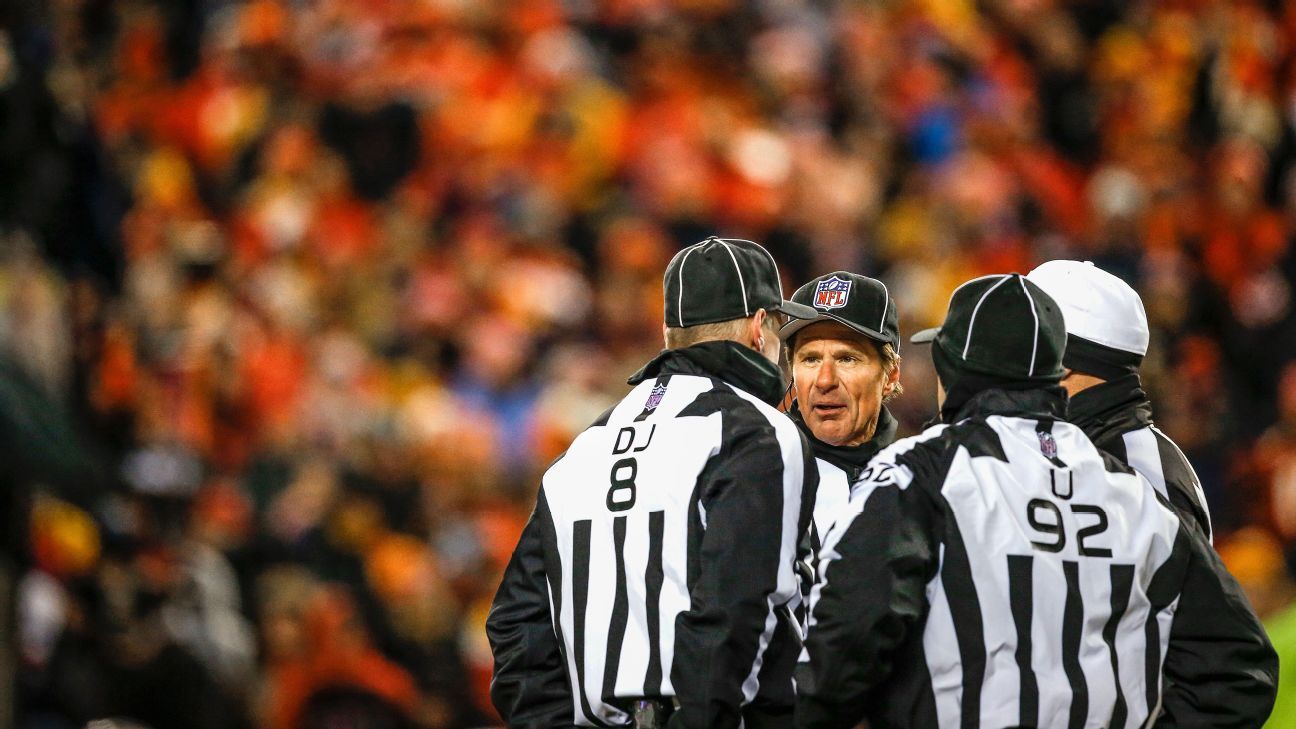
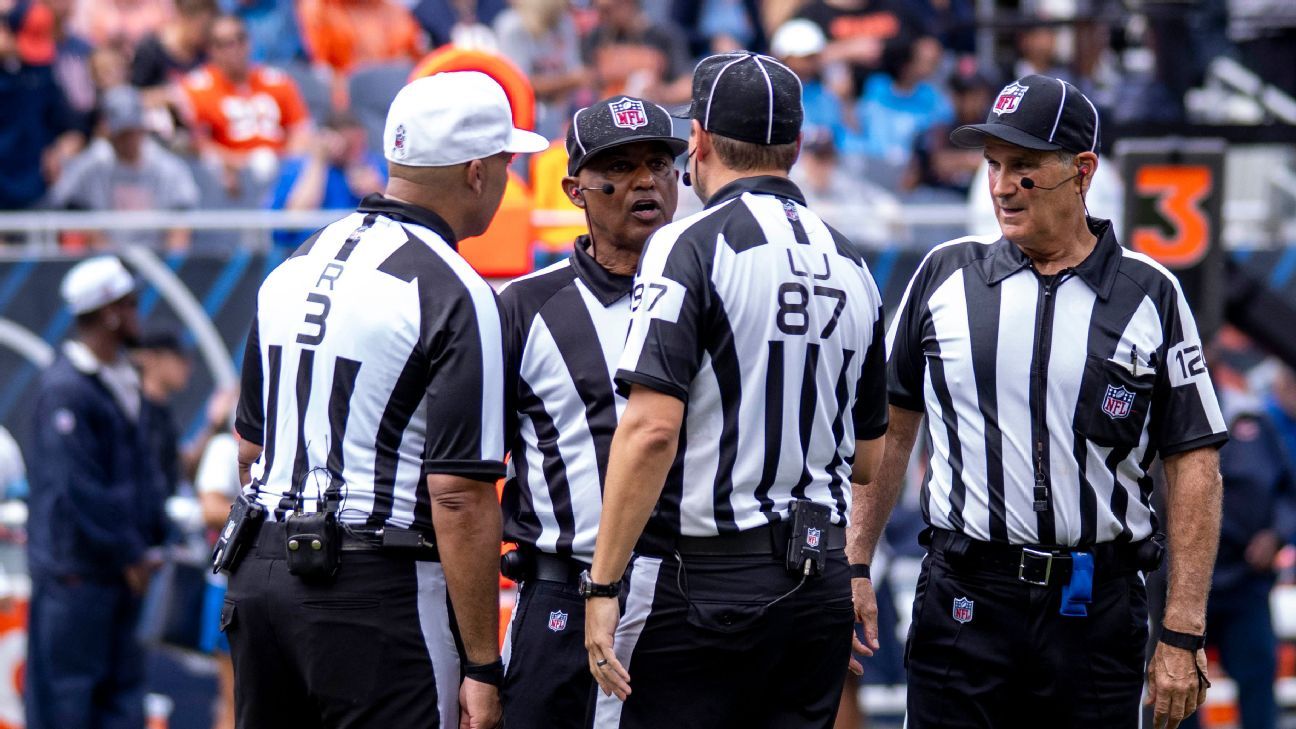
NFL and referees union negotiations for a new collective bargaining agreement are stalled, with owners frustrated over disagreements on officiating performance standards and accountability measures.
fromBleacher Nation
1 month agoAnother Updated Valuation Has the Chicago Cubs Continuing to Surge - Bleacher Nation
Major League Baseball is riding a wave of momentum with three years of attendance gains, soaring TV ratings, a crop of young stars and expanded global appeal. Values reflect that, take a look at the full MLB valuations here.
Chicago Cubs
National Basketball Association
fromLos Angeles Times
1 month agoWNBA and players reached a historic deal. Here's what needs to happen next
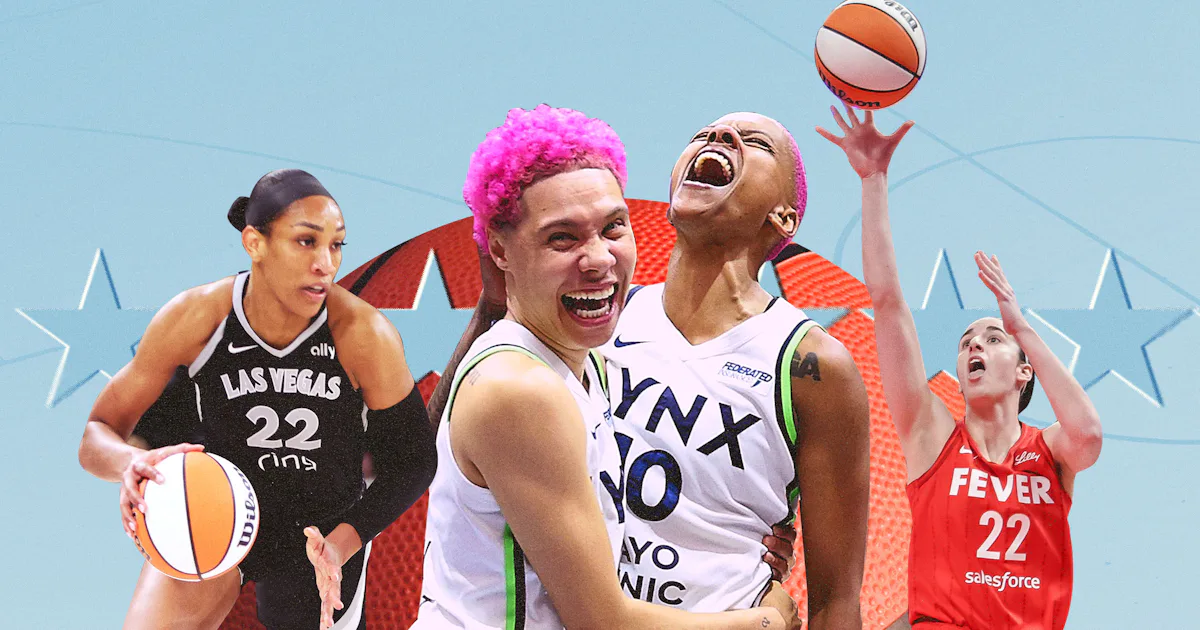
WNBA salary cap increases from $1.5 million to $7 million with supermax rising from $249,244 to $1.4 million, driven by 20% revenue sharing tied to gross league revenue.
#wnba-labor-negotiations

National Basketball Association
fromDefector
1 month agoFormer NBPA Head Tamika Tremaglio Discusses The WNBA Labor Battle And The Art Of Bargaining | Defector
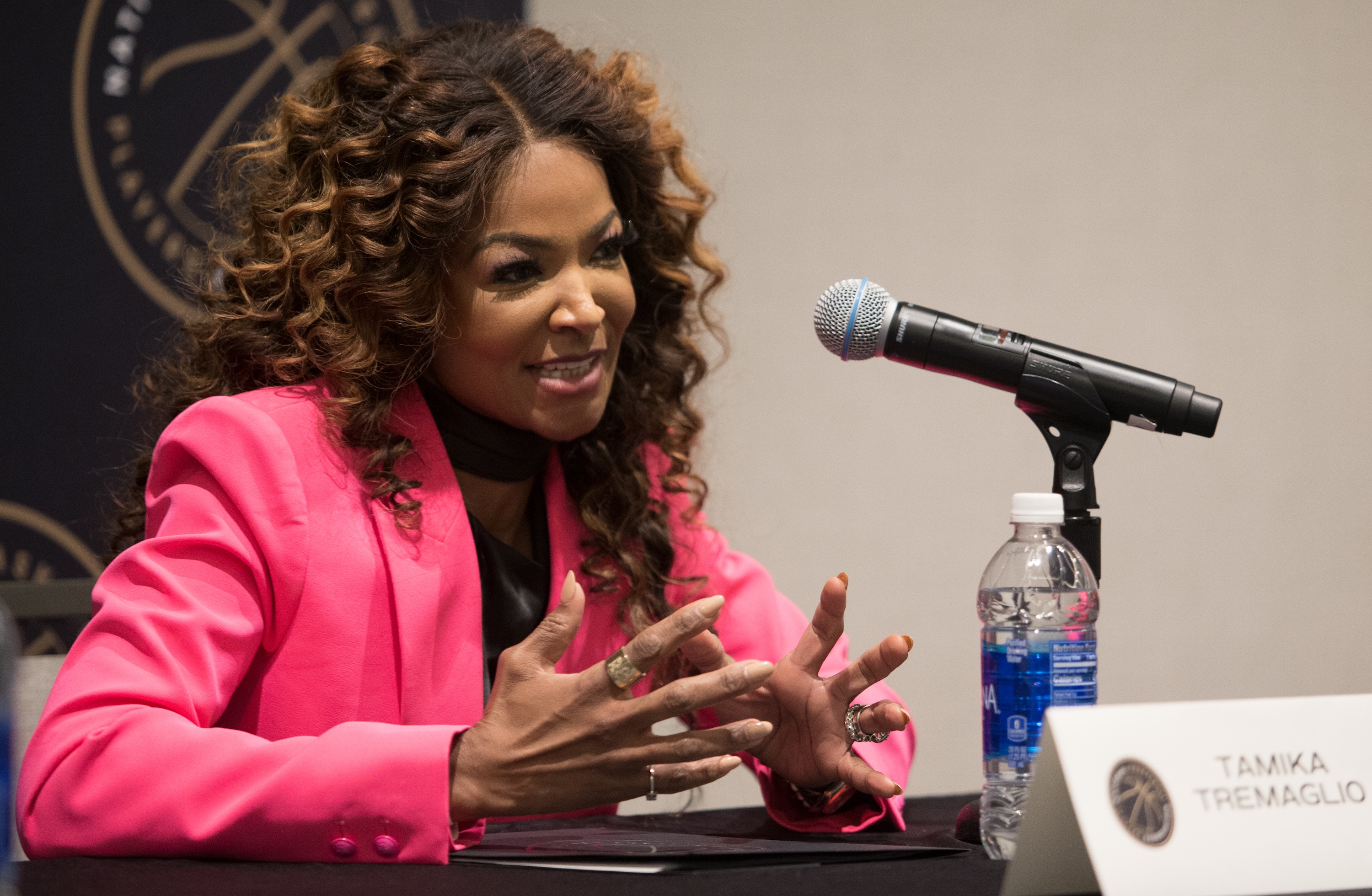
WNBA and players' union remain deadlocked over revenue sharing after seven consecutive days of negotiations, with players demanding gross revenue splits like the NBA while the league offers only net revenue shares.
Women
fromwww.mercurynews.com
2 months agoWNBA players union: League CBA offer not worth taking as full-season deadline looms
WNBA players remain unified in collective bargaining negotiations despite recent concerns, with union leadership committed to securing a transformational agreement before the Tuesday deadline.
Major League Baseball
fromMLB Trade Rumors
1 month agoWhich Top Prospects Could Be On 2026 Opening Day Rosters?
MLB's 2022-26 collective bargaining agreement introduced Prospect Promotion Incentives to encourage teams to promote top prospects early, offering draft pick bonuses while penalizing service time manipulation through automatic service year awards for Rookie of the Year contenders.
Chicago Cubs
fromBleacher Nation
1 month agoThe Chicago Cubs Are Worth a Lot More Than Last Year - Bleacher Nation
Major League Baseball team valuations surged significantly, with the Chicago Cubs reaching $5.25 billion, but MLB profitability remains substantially lower than other major sports leagues.
#wnbpa-negotiations
Washington Nationals
fromESPN.com
2 months agoWNBPA's Stewart: Letter not meant to undermine Jackson
WNBPA leaders sent a letter to executive director Terri Jackson expressing concerns about player involvement in CBA negotiations, aiming to improve the negotiation process rather than undermine leadership.
National Basketball Association
fromESPN.com
2 months agoPlum, Stewart raise concerns over WNBPA's handling of CBA talks
WNBPA leaders Plum and Stewart expressed concerns to union director Jackson about inadequate player involvement in current CBA negotiations, requesting greater player participation in the process.
fromwww.cbc.ca
2 months agoWith CBA deadline looming, any delays would be crushing blow to Tempo's inaugural home opener | CBC Sports
By Tuesday, if the league and its players cannot come to terms on a new collective bargaining agreement, it will finally drop, crushing the Tempo's plans for a home opener on May 8 against the Washington Mystics at Coca-Cola Coliseum in downtown Toronto. The league has circled March 10 as the drop-dead date by which a new CBA must be reached.
Toronto Raptors
fromBleacher Nation
2 months agoMore Than Half of MLB Teams Would Be Outside Reported Salary Cap and Floor Sought By Owners - Bleacher Nation
Very early estimates suggest the proposed cap (ceiling) might be set around the $260M-$280M range and the floor around $140M-$160M. I thought it worth reiterating those numbers because, after a week during which he would've been able to receive pushback, Heyman is reiterating them. So it's a good bet that they are the numbers that MLB's owners really do plan to open the discussions with.
Chicago Cubs

fromDodger Blue
2 months agoMax Muncy: Dodgers Wouldn't Be The Reason For Work Stoppage In MLB
We just try to worry about ourselves, and the fallout happens after that. It's just, the work stoppage thing; we don't know if that's going to happen. Look, we aren't adding any more fuel to that fire. If that happens, it was always going to happen, and it's not going to happen just because of us.
Major League Baseball

fromESPN.com
2 months agoNFL wins grievance against NFLPA regarding report cards
An arbitrator found that the report cards violated the Collective Bargaining Agreement by "disparaging NFL clubs and individuals." According to the memo, the arbitrator found through hearings with the NFLPA's witness and counsel that the report cards were "designed by the union to advance its interests under the guise of a scientific exercise." The NFLPA refused to produce data related to previous surveys, and the union's witness and counsel admitted the union "cherry-picked" topics and responses to include in the report cards.
National Football League

fromMLB Trade Rumors
3 months agoCody Bellinger Contract Comes With Higher Luxury Tax Hit For Yankees In First Two Seasons
That would ordinarily come with a $32.5MM average annual value that counts against the team's luxury tax ledger. In most cases, a contract's luxury tax number is taken by dividing the number of guaranteed years from the overall amount of guaranteed money - regardless of the salary distribution. Unlocked performance bonuses or option decisions can subsequently change the calculation, but the AAV is the starting point.
New York Yankees
fromMaryland Matters
3 months agoTrump's return-to-office memo doesn't override telework protections in HHS union contract - Maryland Matters
A third-party arbitrator has ordered the Department of Health and Human Services to walk back its return-to-office mandate for thousands of employees represented by one of its unions. Arbitrator Michael J. Falvo ruled on Monday that HHS must "rescind the return-to-office directive," and immediately reinstate remote work and telework agreements for members of the National Treasury Employees Union. HHS rescinded those workplace flexibility agreements early last year, after President Donald Trump ordered federal employees to return to the office full-time.
Public health
fromDodger Blue
3 months agoMLB Rumors: Team Owners Will 'Push' For Salary Cap After Dodgers' Signing Of Kyle Tucker
Major League Baseball owners are "raging" in the wake of Kyle Tucker's free agency agreement with the Los Angeles Dodgers and it is now "a 100 percent certainty" that the owners will push for a salary cap, one person briefed on ownership conversations who was not authorized to speak publicly told The Athletic.
LA Dodgers
Major League Baseball
fromMLB Trade Rumors
3 months agoMLBTR Podcast: What The Tucker And Bichette Contracts Mean For Baseball - Also, Nolan Arenado And Ranger Suarez
Recent top-market signings—Tucker and Bichette—shifted from expected long-term deals to short-term pacts, prompting questions about market paradigm and roster impacts.
fromESPN.com
4 months agoUSL, players to resume talks after CBA expires - sources
The main issues are focused on compensation and benefits for players on the lower end of the pay scale. Sources said that the union and the league have agreed on implementing a standard contract length of 12 months, instead of the 10 months stipulated by the previous CBA. This had been a sore spot for the USLPA given that being a professional soccer player is essentially a year-round job.
Soccer (FIFA)

fromMLB Trade Rumors
5 months agoPaul Skenes Tops 2025 Pre-Arbitration Bonus Pool
The 2022-26 collective bargaining agreement introduced the pre-arb bonus pool as a way for younger players to get paid earlier in their careers. Every team pays roughly $1.67MM into the pool, which adds up to a $50MM total. That money is then dispersed to pre-arb players, even if they have signed an early-career extension. In many cases, the pool is a greater source of income than a player's salary.
Major League Baseball
fromMLB Trade Rumors
5 months agoPlayers Avoiding Arbitration: 11/21/25
The deadline for teams to tender contracts to arbitration-eligible players is this afternoon at 4pm CT. Throughout the day, we'll surely see a handful of arb-eligible players agree to terms with their clubs to avoid a hearing. These so-called 'pre-tender deals' usually, although not always, involve players who were borderline non-tender candidates. Rather than run the risk of being cut loose, they can look to sign in the lead-up to the deadline.
Major League Baseball
fromESPN.com
5 months agoSources: Players unmoved by WNBA's proposal
The WNBPA does not see the WNBA's latest collective bargaining agreement proposal as something that moves negotiations forward, sources told ESPN on Thursday, 10 days before the current CBA is set to expire. The league's proposal, first reported by the Associated Press and confirmed by ESPN, includes a revenue sharing component that, in combination with a base salary, would allow players to earn a maximum of more than $1.1 million, an average of more than $460,000 and a minimum of more than $220,000.
National Basketball Association
National Hockey League
fromRMNB
7 months agoJakob Chychrun excited to see end of NHL dress code, thinks Sonny Milano will have best fits on Capitals: 'We'll definitely see some guys going a little bold'
The NHL will remove off-ice dress code restrictions starting 2026-27, fast-tracked this season, allowing players to express personal style and potentially boost growth and revenue.
National Hockey League
fromRMNB
8 months agoNHL planning to begin 2026-27 season in late September due to extended 84-game schedule, other CBA changes to take effect this year
NHL will shorten preseason, extend regular season to 84 games, start late September in 2026-27, and implement multiple immediate CBA-driven operational changes.
fromMLB Trade Rumors
8 months agoPoll: NL Rookie Of The Year Check-In
Within the last few years, the Rookie of the Year award has grown to have more meaning than it had in the past. Changes in the most recent collective bargaining agreement allow the award to bestow a full year of MLB service time on the top two finishers, even if they would have otherwise entered the offseason with less than that.
US news
[ Load more ]