#general-relativity
#general-relativity
[ follow ]
#cosmology #black-holes #physics #gravity #quantum-field-theory #quantum-mechanics #fundamental-forces
fromBig Think
1 month agoOJ 287 has the most supermassive pair of black holes ever
The closest supermassive black hole pair, in NGC 7727, was discovered in 2021. Just 89 million light-years away, these 154,000,000- and 6,300,000-solar-mass black holes are just 1,600 light-years apart. Approximately 0.1% of young quasars are expected to be doubles, with typical separations of ~10,000 light-years.
OMG science
OMG science
fromMail Online
1 month agoAstronomers watch the birth of a magnetar for the first time
Astronomers observed the birth of a magnetar, an extremely dense neutron star with the universe's most powerful magnetic fields, through a superluminous supernova's unusual flickering light pattern over 200 days.
#gravitational-waves

OMG science
fromwww.scientificamerican.com
2 months agoNewly discovered ripples in spacetime put Einstein's general relativity to the test
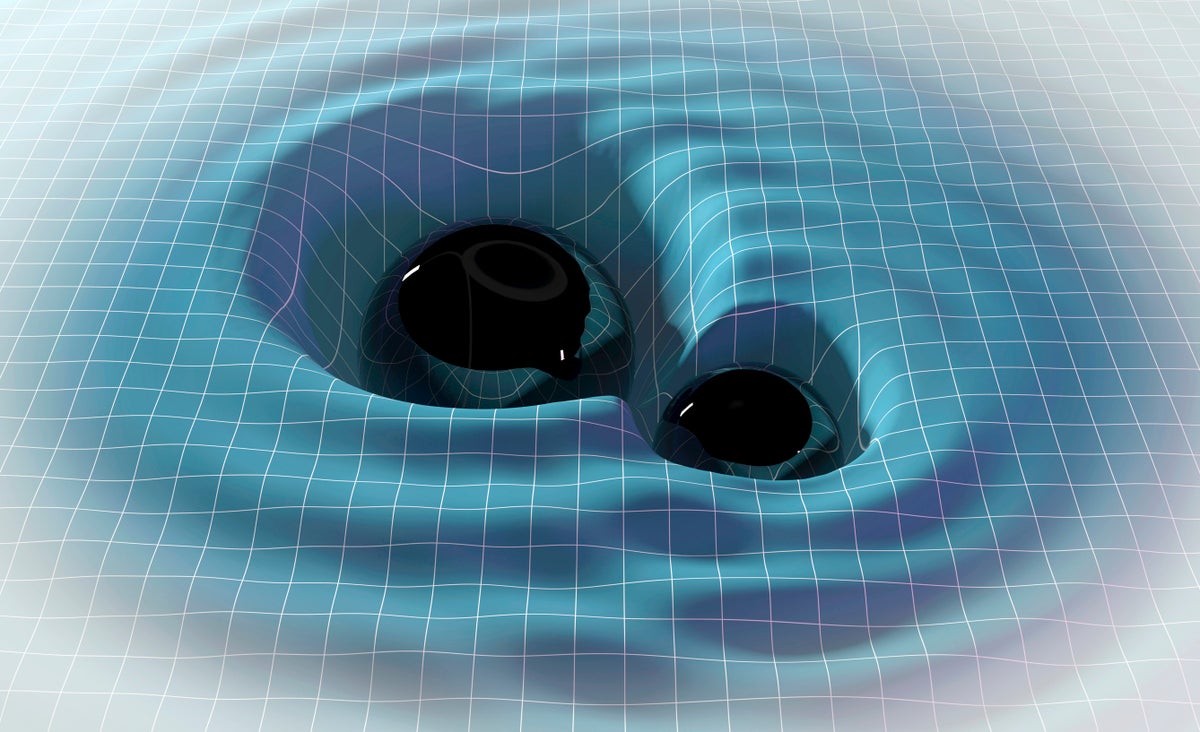
A global network of gravitational wave observatories has more than doubled detections of cosmic collisions, revealing a universe filled with black holes, neutron stars, and their mergers with unprecedented variety and characteristics.
fromBig Think
2 months agoAsk Ethan: Can quantum entanglement survive a black hole?
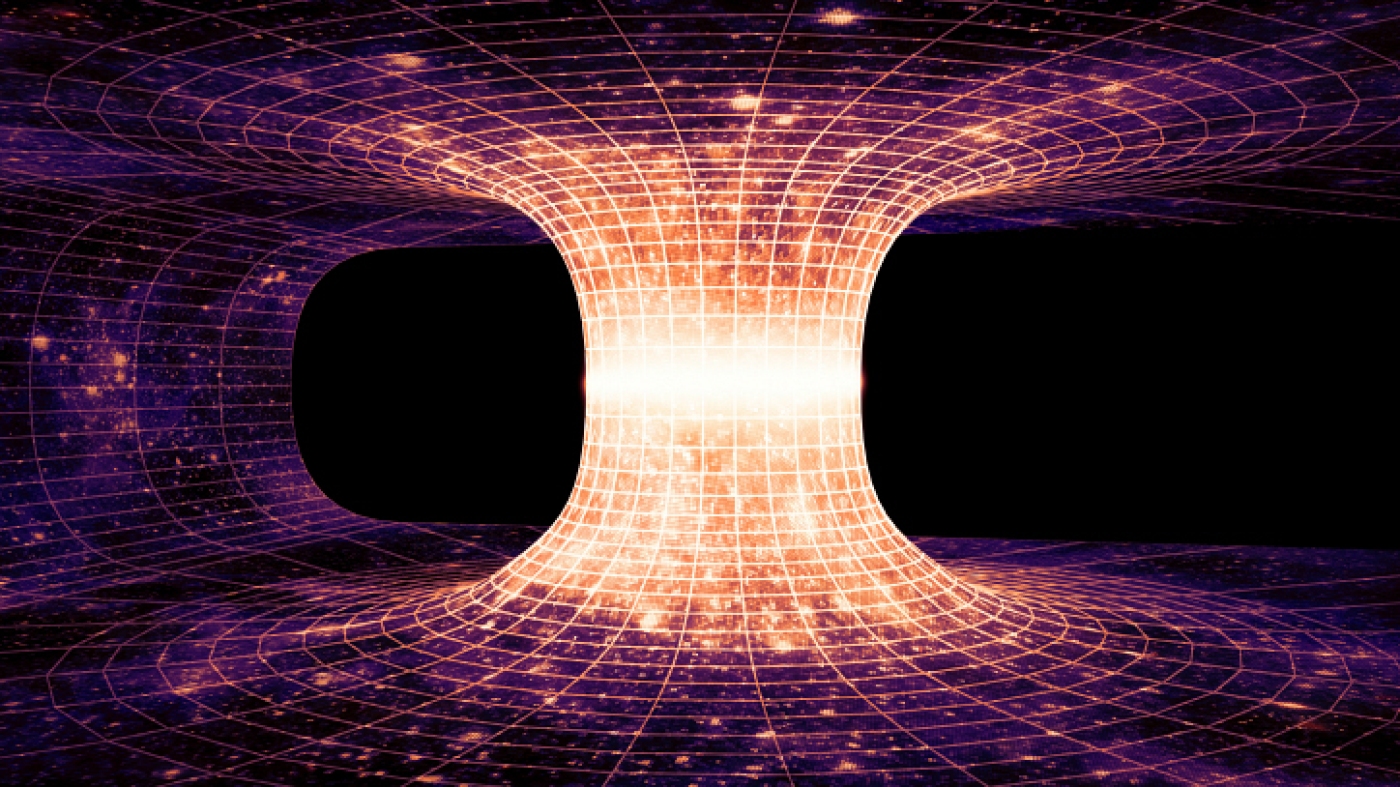
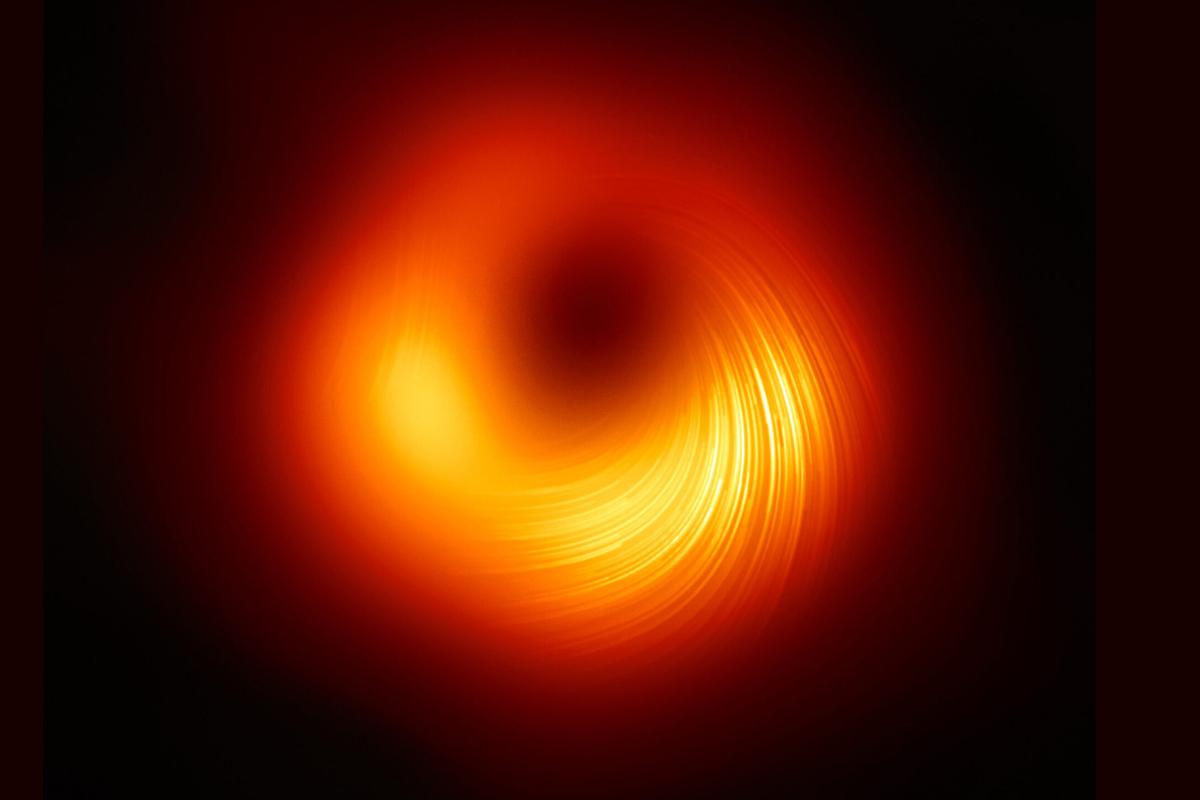
According to Einstein's General Relativity, for every black hole that exists within the Universe, there are only three properties that go into it that matter in any way: the black hole's total mass, the black hole's net electric charge, and the black hole's intrinsic angular momentum, and that's it. It doesn't matter what type of matter went into the black hole in order to form it; all that matters is its mass, charge, and angular momentum.
Science


fromBig Think
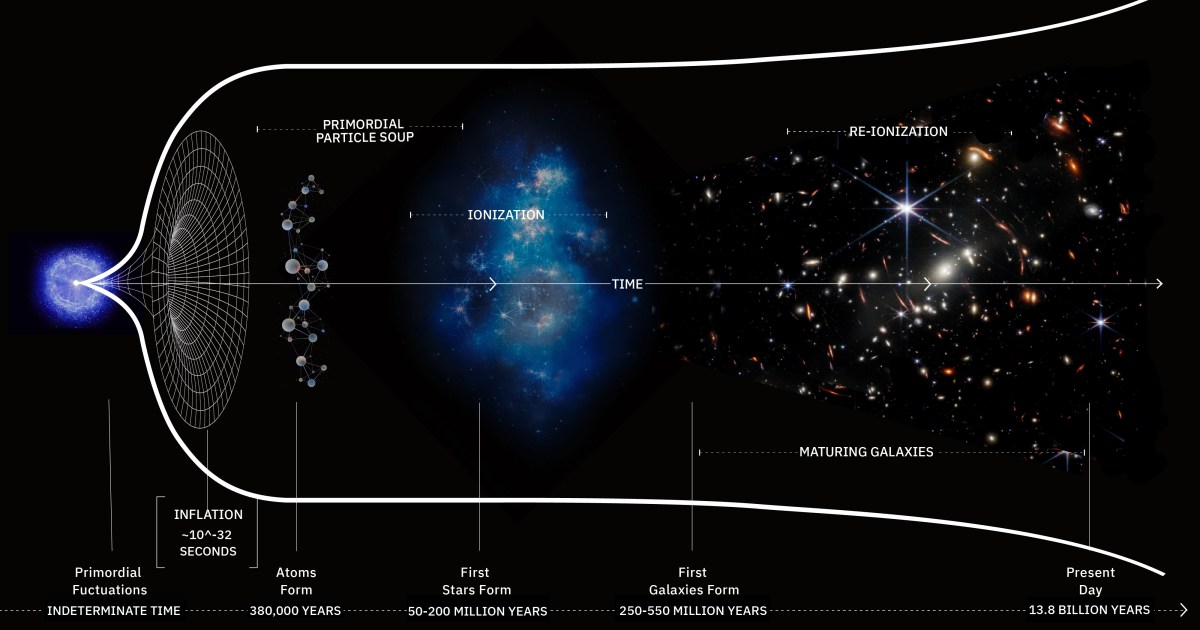
6 months agoWe still don't know how "hot" the hot Big Bang was
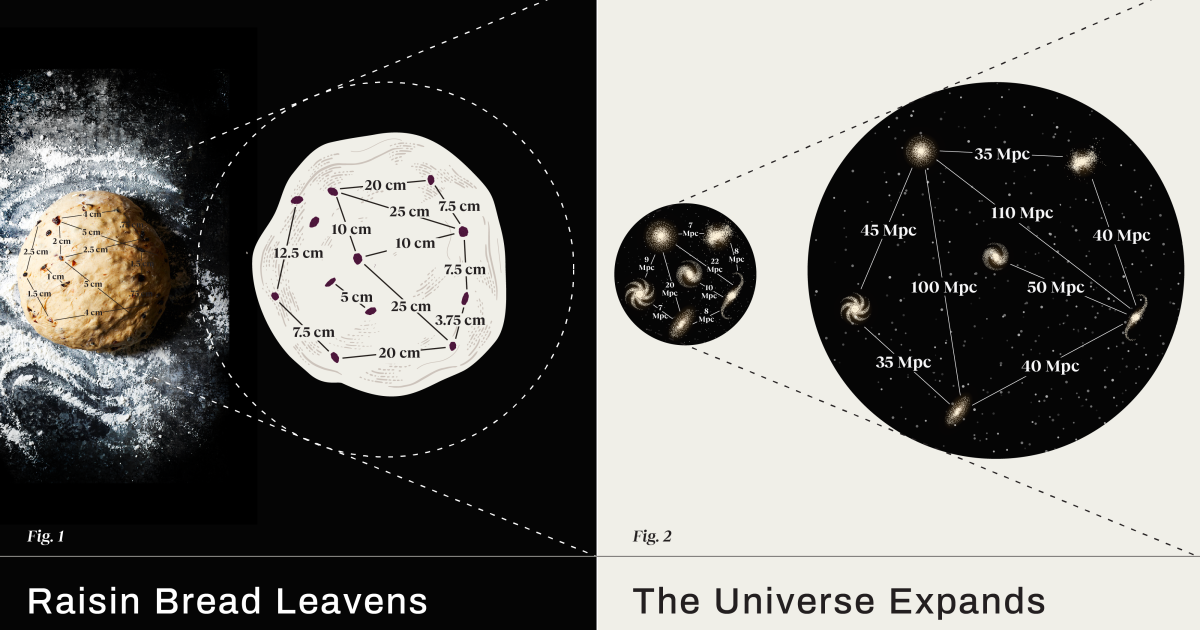
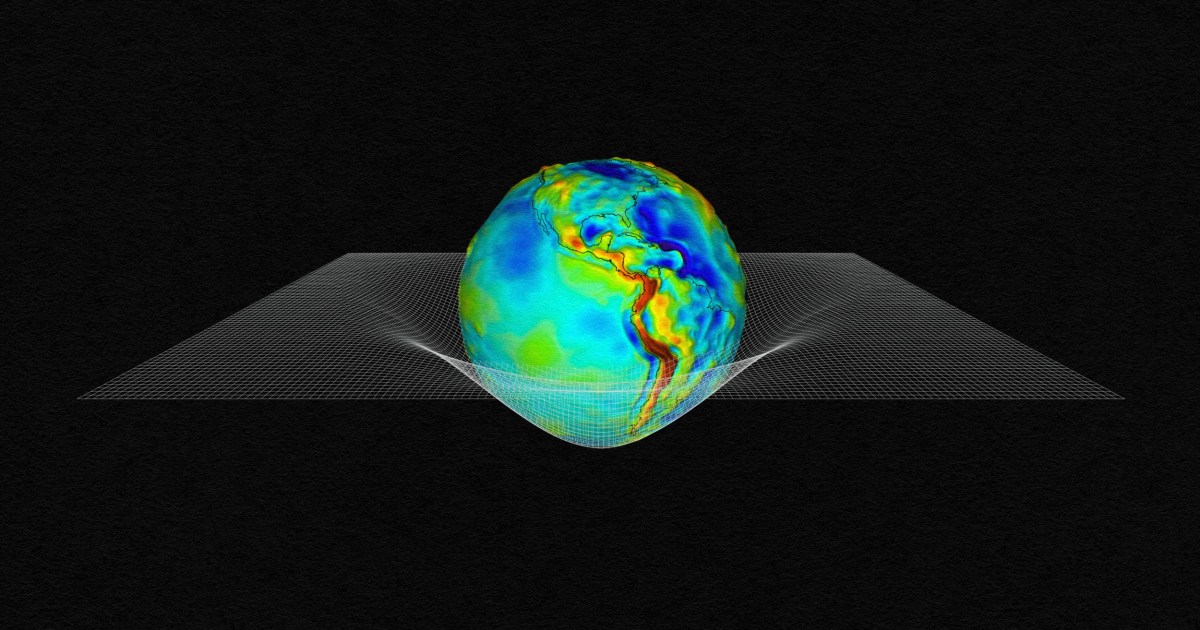
This tremendously successful theory gave us everything from gravitational waves to black holes based on one profound insight: that the fabric of spacetime itself would evolve, curve, and even ripple based on the properties and behavior of the matter and energy within it. When we applied Einstein's equations to the entire Universe as a whole, along with the idea that the Universe was filled nearly uniformly with matter and energy on the largest scales, we wound up with an expanding Universe.
Science


[ Load more ]