#military-accountability
#military-accountability
[ follow ]
#civilian-casualties #human-rights #israel #us-military-strike #iran-us-conflict #iran-school-bombing

Left-wing politics
fromwww.miamitimesonline.com
1 month agoDems demand swift Pentagon investigation into deadly air strike on girls' school in Iran
Senate Democrats demand the Pentagon immediately release investigation results regarding a U.S. military strike on an Iranian girls' elementary school that killed at least 168 people.
#us-military-strike
NYC parents
fromwww.theguardian.com
1 month agoUS responsible for deadly missile strike on Iran school, preliminary inquiry says
A US military investigation determined that Washington was responsible for a Tomahawk missile strike on an Iranian elementary school in February that killed approximately 175 people, mostly children, due to targeting mistakes using obsolete intelligence data.

NYC parents
fromwww.theguardian.com
1 month agoUS responsible for deadly missile strike on Iran school, preliminary inquiry says
A US military investigation determined that Washington was responsible for a Tomahawk missile strike on an Iranian elementary school in February that killed approximately 175 people, mostly children, due to targeting mistakes using obsolete intelligence data.
Media industry
fromwww.mediaite.com
1 month agoFox News Isn't Covering Trump's Iran War It's Covering for It
A U.S. Tomahawk missile likely killed approximately 170 Iranian schoolchildren, but Fox News characterized it as a minor glitch while emphasizing military success rather than addressing the moral crisis.
US news
fromBusiness Insider
1 month agoA US Navy oiler ran hard aground after its captain urged a last-minute shortcut: 'Let's try to shoot the gap'
A US Navy fuel ship ran aground in September 2024 after the captain ordered a risky shortcut through restricted waters, causing over $20 million in damage due to poor decisions and failure to follow navigation procedures.
fromwww.mediaite.com
1 month agoSen. John Kennedy Contradicts Trump On Iran School Strike
I think that it was a terrible, terrible mistake. The investigation may prove me wrong, I hope so. The kids are still dead. But I think was a horrible, horrible mistake. I wish it hadn't happened. I'm sorry it happened. I can assure you it wasn't intentional. That's the sort of thing Russia does. We don't do that.
US politics
fromThe Washington Post
1 month agoVideo appears to show U.S. Tomahawk hit naval base near Iranian school
Video footage that began to circulate online Sunday shows what appears to be a U.S. Tomahawk missile striking in the vicinity of an elementary school next to an Islamic Revolutionary Guard Corps (IRGC) naval complex, according to eight munitions experts. The video, which was verified by The Washington Post, is the latest indication of likely U.S. involvement in the attack on Feb. 28 that killed dozens of children in the southern Iranian city of Minab.
US news
NYC parents
fromwww.mediaite.com
2 months agoFox's Laura Ingraham Demands Military Publicly Address Horrific' Strike on Iran Girls' School
U.S. military investigators believe American forces likely struck an Iranian girls' school on February 28, killing over 160 children, prompting criticism from Fox News host Laura Ingraham.
US politics
fromBusiness Insider
3 months agoStars and Stripes staff fear the Pentagon is coming for the newspaper - and their jobs
The Pentagon pressured Stars and Stripes to refocus away from "woke distractions," prompting staff fear for the paper's independence and ability to hold the military accountable.
fromslate.com
5 months agoWhere Does the Buck Stop on Killing Boat Strike Survivors?
US officials debate who to blame for the military killing of shipwrecked alleged drug smugglers; Democrats celebrate despite losing a special election in Tennessee; and the future of self-driving cars. If you can't access your feeds, please contact customer support. Set up manually: How does this work? We are showing you options for a computer but if you're on a phone or tablet
US politics
US politics
fromemptywheel
5 months agoOn Eve of Illegal Venezuelan Invasion, Pete Hegsesth Utterly Destroys His Ability to Lead It - emptywheel
Senior Democrats warned service members they may refuse illegal orders as a U.S. official allegedly ordered a deadly strike, prompting threats of prosecution and backlash.
fromwww.aljazeera.com
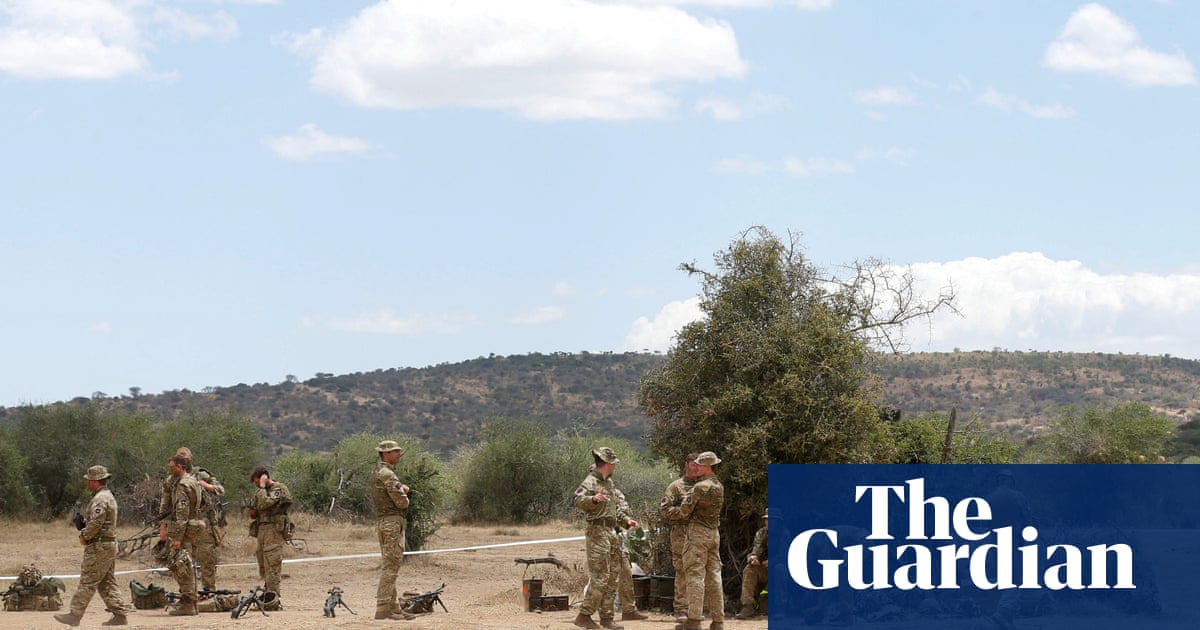
5 months agoUK special forces chiefs covered up Afghanistan war crimes, inquiry told
The whistleblower's testimony alleged that commanders at the highest levels knew about suspected executions as early as 2011, but chose to bury the claims rather than report them to military police. The evidence suggests the inaction allowed the killings to continue for at least two more years, raising questions about accountability within one of the world's best training and lethal military units.
Black Lives Matter

fromwww.dw.com
7 months agoUK: Soldier accused of 'Bloody Sunday' killings on trial DW 09/15/2025
What happened on 'Bloody Sunday?' Unarmed protesters calling for an end to anti-Catholic policies were attacked by British soldiers, who killed 13 and injured at least 15 others on the streets of Derry on January 30, 1972. The protest was part of a violent conflict between mostly Catholic supporters of a united Ireland and predominantly Protestant groups that wanted to remain part of the United Kingdom, as well as British soldiers stated in Northern Ireland, a period of time know as the Troubles.
Miscellaneous
[ Load more ]