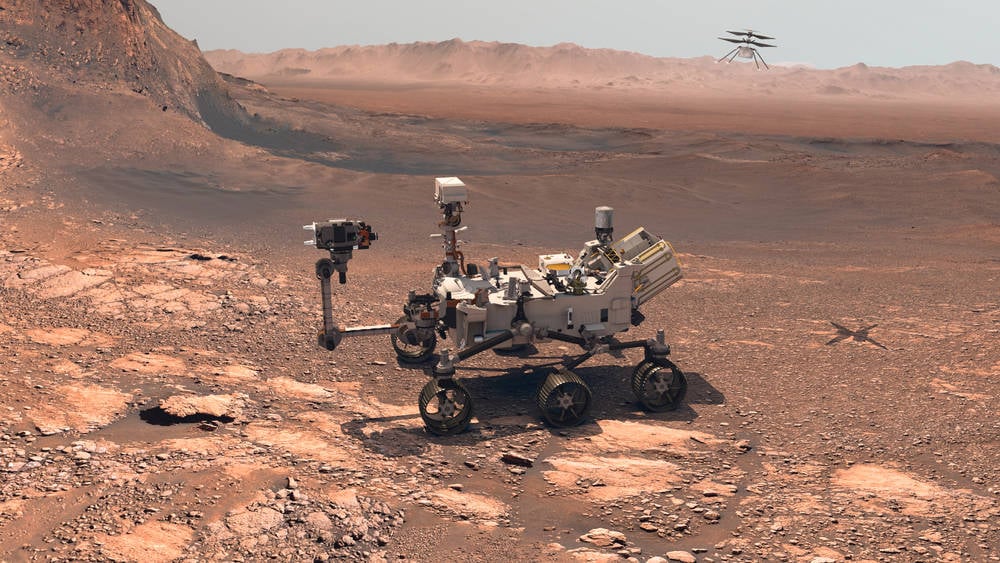
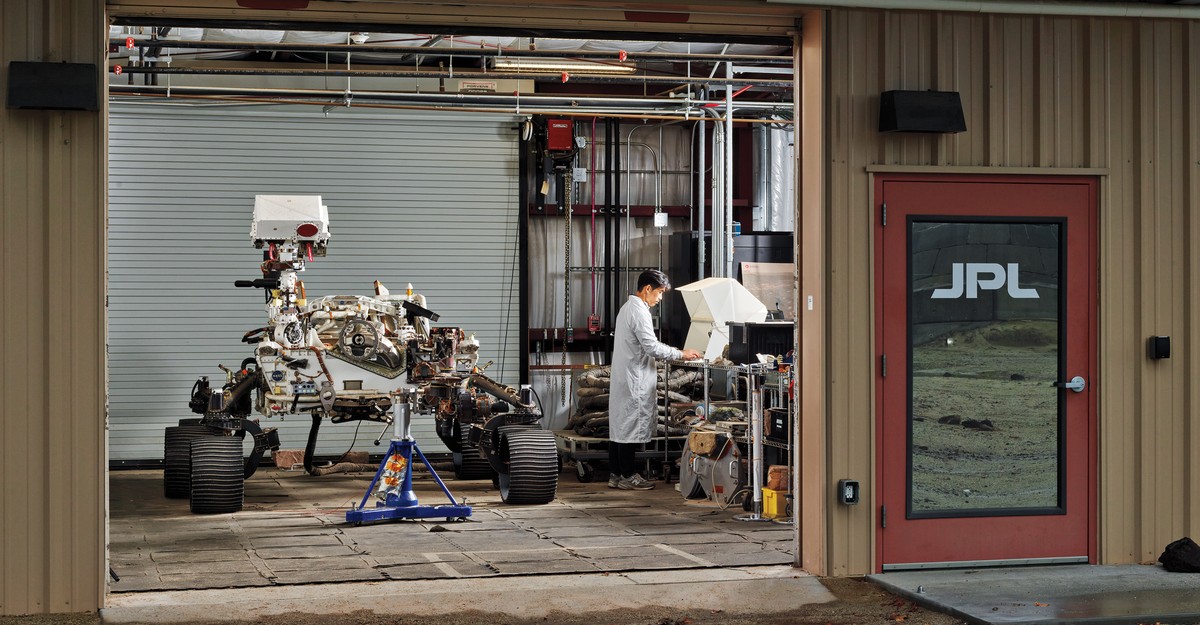
NASA has revealed it repurposed the processor the Perseverance rover used to communicate with the Ingenuity Mars Helicopter, to help the rolling robot navigate the Red Planet autonomously "for potentially unlimited distances." The aerospace agency revealed the hack last week in a post that says it used the rover's Helicopter Base Station (HBS) because its processor is 100 times faster than the rover's other kit.
It did so with the blessing of engineers at NASA's Jet Propulsion Laboratory (JPL), who decided to delegate the meticulous work of route planning to Anthropic's AI model. This involves consulting orbital and surface imagery of Mars in order to set a series of waypoints to guide the rover's movements. Once plotted, this data gets transmitted about 140 million miles or 225 million kilometers - the average distance from Earth to Mars - where it's received by Perseverance as a navigational plan.
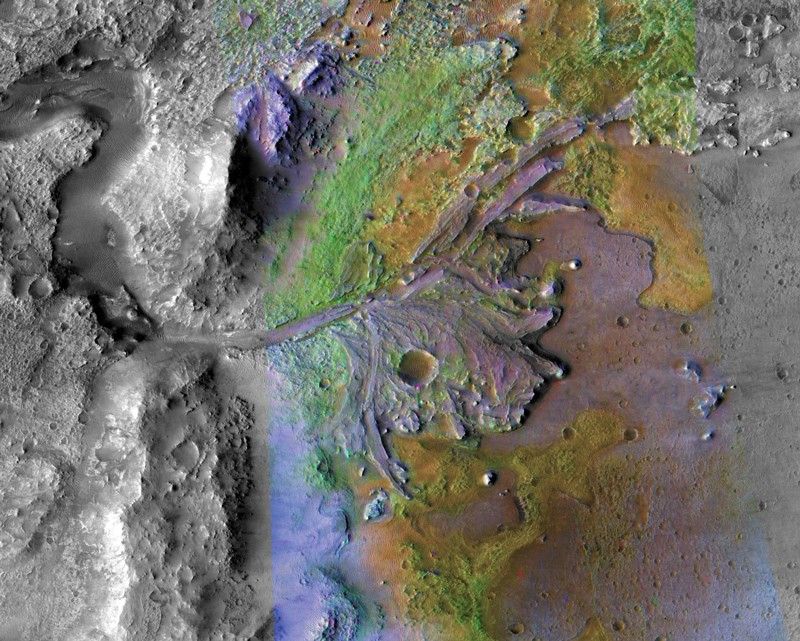
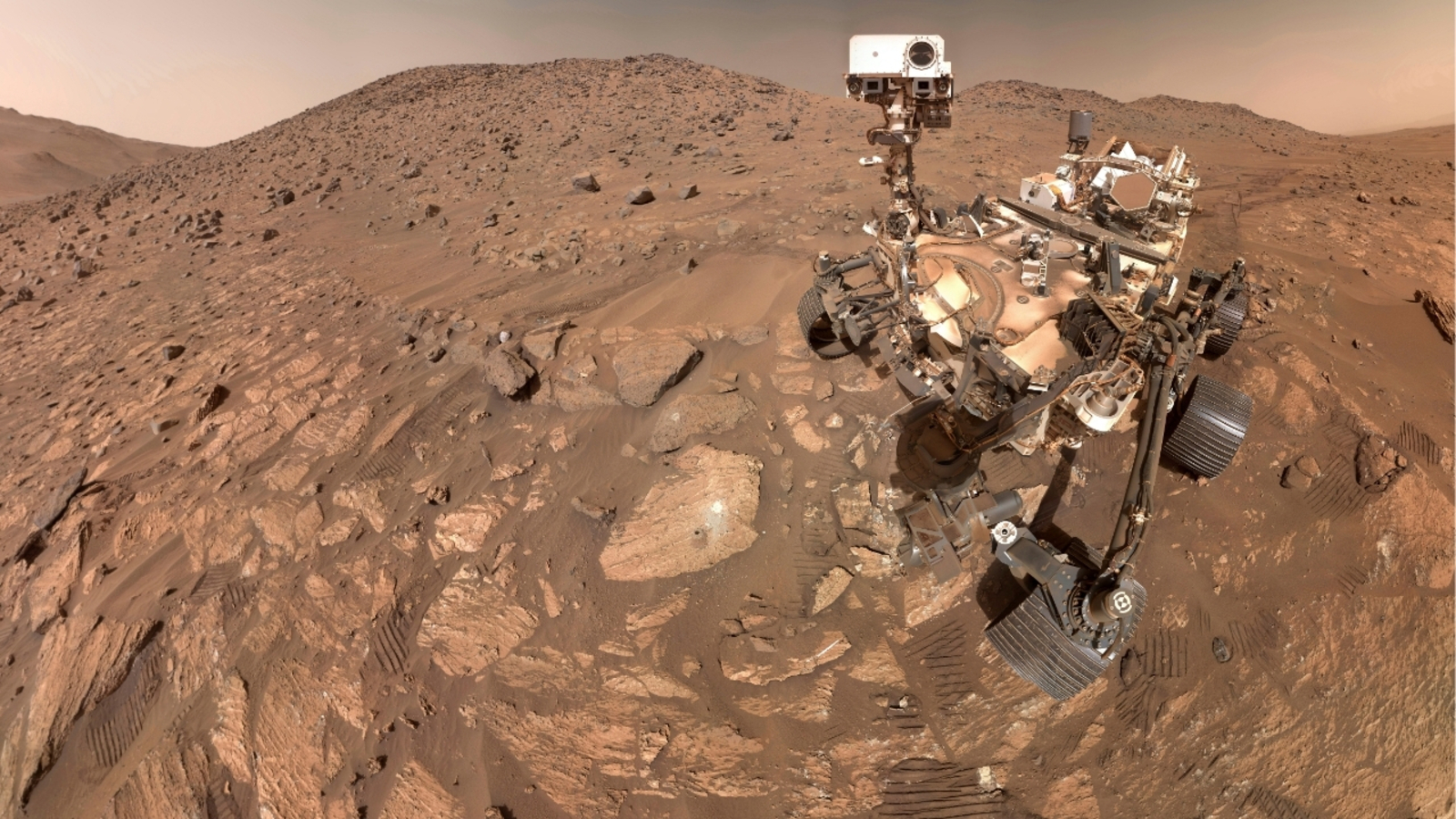
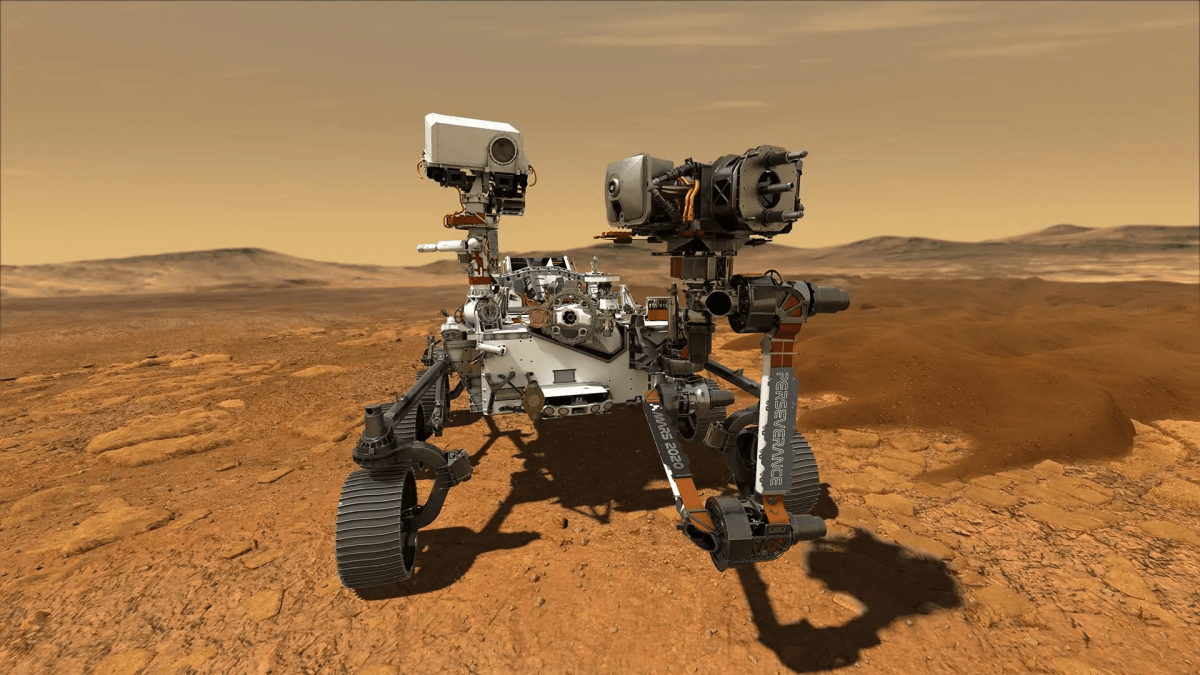
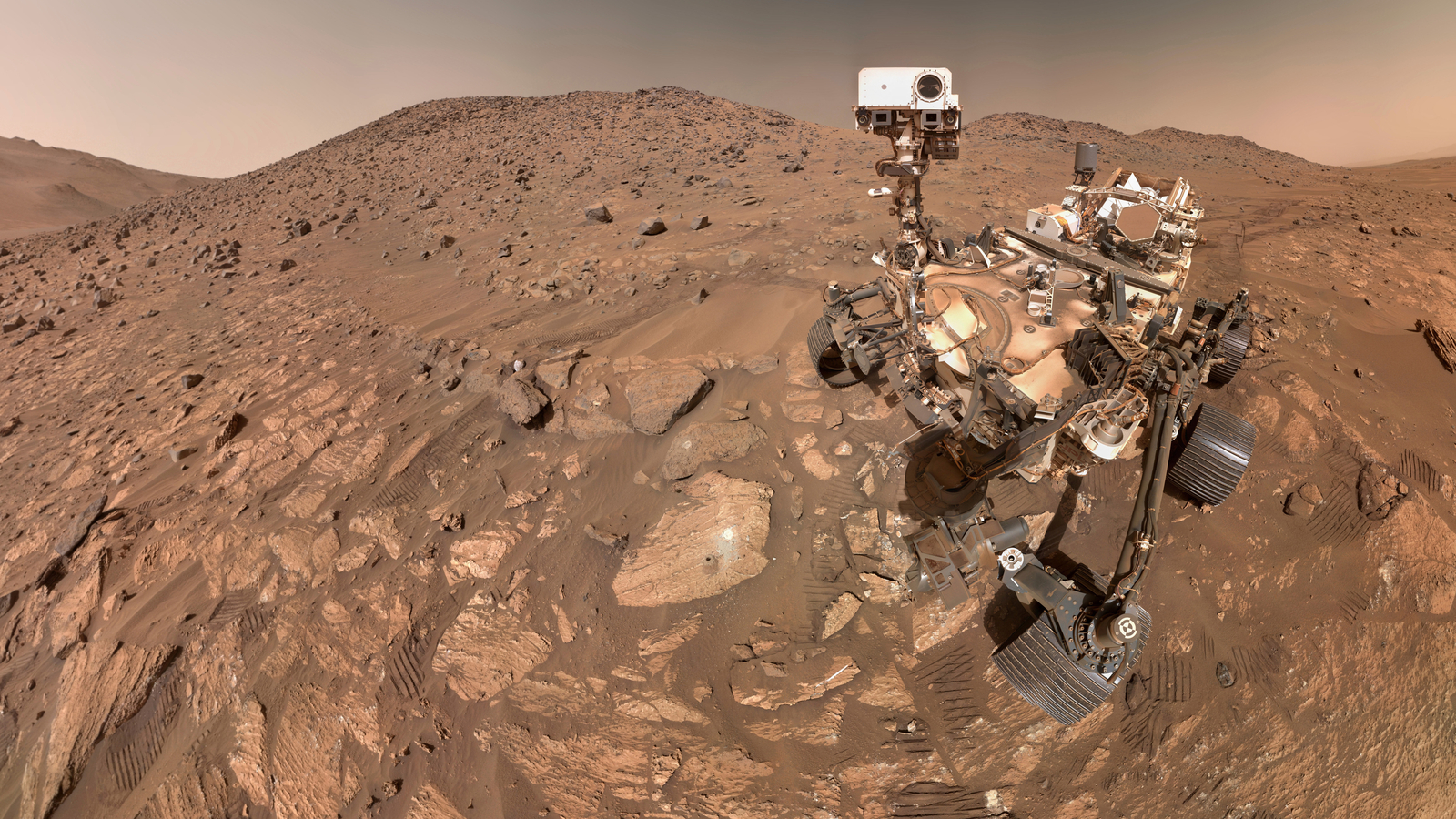
Since 2021, NASA's Perseverance rover has achieved a number of historic milestones, including sending back the first audio recordings from Mars. Now, nearly five years after landing on the Red Planet, it just achieved another feat. This past December, Perseverance successfully completed a route through a section of the Jezero crater plotted by Anthropic's Claude chatbot, marking the first time NASA has used a large language model to pilot the car-sized robot.
US Congress has rejected plans to slash NASA's science budget, restoring most funding with one notable exception: Mars Sample Return remains cancelled. A joint explanatory statement was released earlier this month, and lawmakers have passed the bill. The legislation, passed with 82 senators voting for it, 15 against, and three abstaining, reverses an earlier proposal that would have cut NASA's overall budget by nearly 25 percent and halved science spending - potentially shutting down many active missions.
NASA has drafted its Mars rover Perseverance to help monitor the sun's activity. Every day for the next two months, the rover will image the sun with its Mastcam-Z cameras, capturing crucial information about sunspots and other large features that can give clues to solar activity. Mars is currently passing behind the sun, giving the rover a view of the star's far sidea perspective we can't see from Earth.
It's fascinated scientists ever since it was first observed in early July. Now, NASA's Mars Perseverance rover has seemingly managed to snap images of the errant visitor as it made its flyby of the Red Planet. Two pictures, shared by the space agency over the weekend after being captured by Perseverance's Right Navigation camera (Navcam), show a singular streak contrasted against the emptiness of space around it.