#pest-infestations
#pest-infestations
[ follow ]

fromwww.theguardian.com
1 week agoHouseplant hacks: can a fan help plants repel pests?
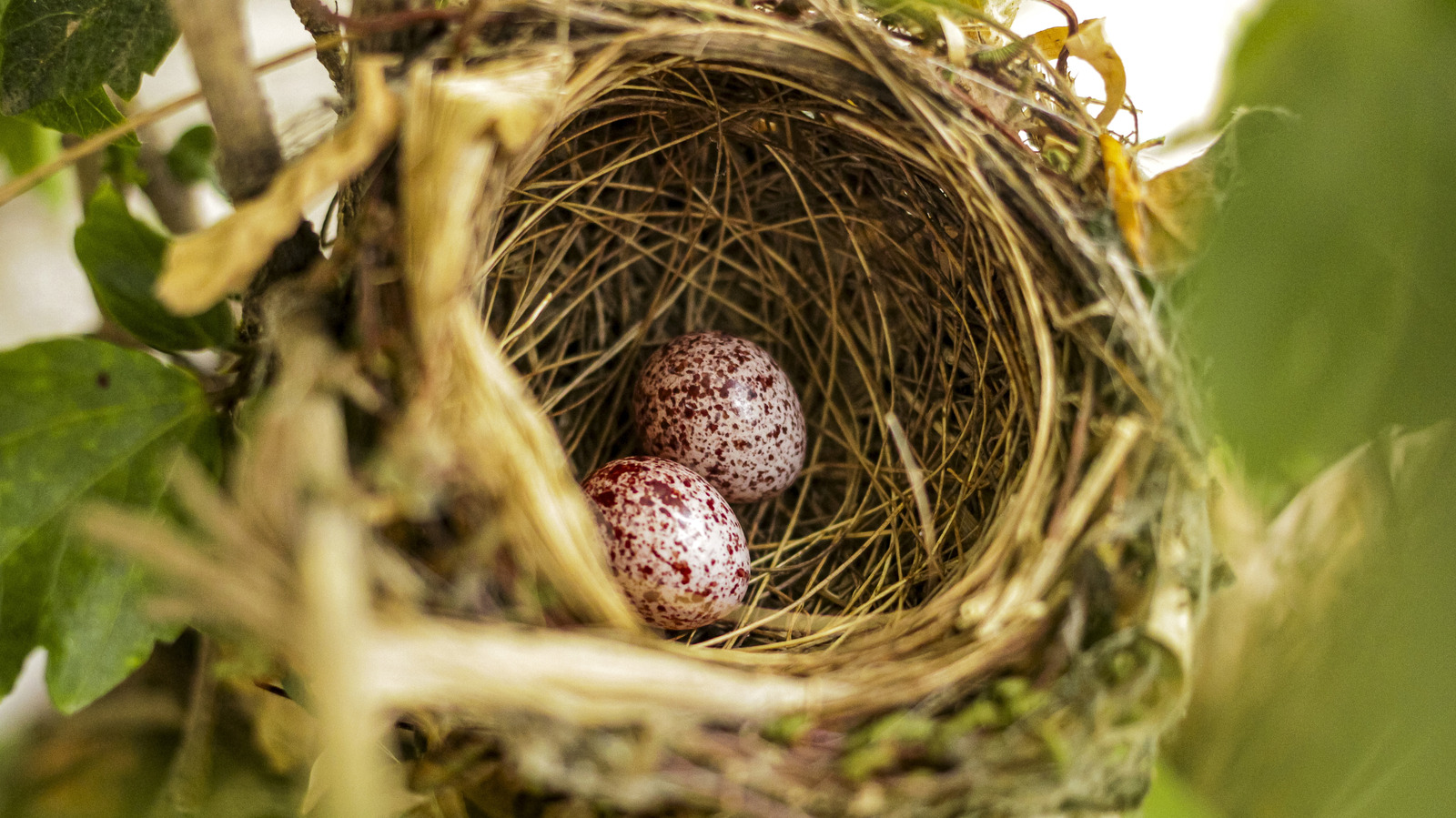
Stagnant indoor air is one of the less discussed reasons houseplants struggle. Fungal spots, mould on the compost surface and pest infestations like mealybugs can all be traced back to a room with no airflow.
Renovation
fromwww.theguardian.com
2 weeks agoHouseplant hacks: do eggshells deter fungus gnats from laying eggs?
Crushed clean, dry eggshells, when scattered over the soil, are intended to stop adult gnats from laying eggs and potentially add natural fertilizer. However, they merely sit on the surface, collecting dust, while the gnats remain attracted to the damp compost.
Renovation
fromRealagriculture
2 weeks agoPulse School: Balancing P-K-S fertility when margins are tight
"The awesome thing with pulse crops is no nitrogen needs... not having to put any nitrogen on a pulse crop is a great starting point," he says, noting that this allows growers to not only meet PKS requirements but, in some cases, build soil fertility for the rotation.
Agriculture
fromRealagriculture
2 months agoAg Policy Connection: Rethinking funding for plant breeding, with Jason Reinheimer
"If Canada wants generational change in agricultural innovation, we need to transform our policy around how we fund plant breeding," he says. The current system, heavily reliant on public funding and check-off dollars, is increasingly under pressure. Reinheimer points to signs that Agriculture and Agri-Food Canada (AAFC) is shrinking its breeding footprint-especially in wheat, where AAFC varieties still account for about 80 per cent of acres. The problem? There's no updated funding model to match that shift.
Canada news
fromRealagriculture
1 month agoCanola School: Pre-seed weed control, kochia management, and herbicide rotation (Part 2 of 2)
Kochia continues to spread beyond its traditional areas, bringing resistance to multiple herbicide groups. This shift may require growers to rethink their canola systems, including variety selection.
Agriculture
Agriculture
fromRealagriculture
1 month agoRealAg Radio: Weed pressure before emergence, sulphur by drone, and corn standability, Mar 16, 2026
Early weed pressure reduces crop yield before plant emergence, while drone applications for fertilizer and sulphur on fall-seeded cereals are emerging agricultural practices, alongside concerns about corn standability.
Agriculture
fromRealagriculture
1 month agoWheat Pete's Word, March 11: The next generation of ag, ponded wheat, potash power, and a rust watch
Ontario winter wheat shows strong spring conditions with minimal ponding, while high-tillering wheat in Idaho presents lodging risks and leaf rust emerges unexpectedly in the southern U.S.
fromRealagriculture
1 month agoPulse School: Three tips for managing aphanomyces and protecting pulse economics
If you've got it severe enough it can be devastating and if not it can be managed... it just depends on where you are and what weather conditions you've had in the past and the amount of peas or lentils you've grown on those fields before.
Agriculture
fromInsideHook
2 months agoAn Essential Part of Farming Has Two Wings and a Beak
When you think of farming, what ingredients do you generally associate with a successful harvest? The basics certainly come to mind: fertile soil, plenty of sunlight and lots of water. But there are other variables that can also mean the difference between a crop of healthy fruits and vegetables and a large heap of organic waste. And it turns out that one of those variables is a very small hawk.
Agriculture
Agriculture
fromRealagriculture
1 month agoDon't cut the science that pays the bills
Closing AAFC research stations undermines Canada's agricultural competitiveness by eliminating the only coordinated system for validating crop genetics across diverse agro-ecological zones, despite wheat breeding generating a 32:1 benefit-cost ratio.
fromwww.theguardian.com
2 months agoWe're not hippies': why these Iowa farmers swapped pigs for mushrooms
My older brother has worked with pigs his entire adult life, managing about 70,000 of them across five counties, Faaborg says. But we got to a point where he went from laughing at me to saying: well, I guess maybe I'll quit my job and help you out. Now he's the most dedicated, says Katherine Jernigan, director of the Transfarmation Project at Mercy for Animals, a non-profit that helped the Faaborgs make the switch and set up their new business, 1100 Farm.
Agriculture
fromDaily Coffee News by Roast Magazine
2 months agoIn Wake of India's "Green Revolution," Scientists Find Organic Soils Healthier
As concepts such as "regenerative" and "biodynamic" continue to enter the mainstream coffee lexicon, scientists continue to literally dig into the soil to give them meaning. A recent peer-reviewed study from India's Western Ghats argues that one of the clearest signals of healthy, sustainable coffee farms lies in the ground itself, with organic coffee soils performing better than soils from conventional farms treated with synthetic inputs.
Agriculture
fromRealagriculture
1 month agoRealAg Radio: War's impact on fertilizer markets, new varieties, wheat breeding in Canada, Mar 4, 2026
RealAg radio and realllculture.com is your home for insight and analysis of the issues that are impacting your farm business. Let's get real and get connected with RealAg Radio.
Agriculture
Agriculture
fromRealagriculture
1 month agoFarmers say improving financial decisions boosts profitability more than new tech or government programming
Seventy-three percent of Canadian farmers believe improving financial decision-making impacts profitability more than technology or government programs, with younger farmers showing strongest agreement.
fromRealagriculture
2 months agoOMAFA looks to bolster field crop team
According to the job posting, the successful candidate will serve as the lead provincial specialist for edible beans and edible oilseeds, including Identity Preserved (IP) soybeans, spring and winter canola, flaxseed, and sunflower. The role centres on technology transfer - developing and implementing strategies, policies, and programs - while coordinating projects that assess new and existing practices for their suitability under Ontario conditions. The specialist will also prepare and deliver educational tools, act as a liaison between the research community and industry, support policy and program development, and manage high-priority or contentious issues in the sector.
Agriculture
[ Load more ]