#starship
#starship
[ follow ]
#spacex #starlink #super-heavy #test-flight #nasa #ipo #raptor-engines #reusability #super-heavy-booster #heat-shield

fromArs Technica
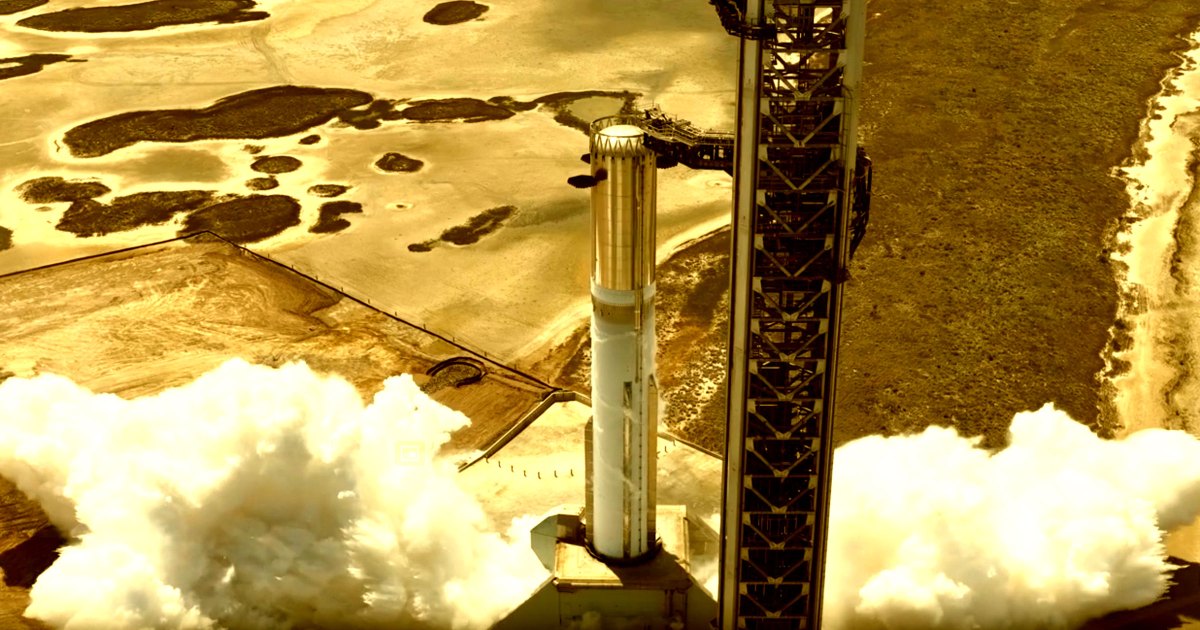
2 months agoSpaceX takes down Dragon crew arm, giving Starship a leg up in Florida
Pad 40 has been the primary Falcon 9 launch site for most of the rocket's history, while Pad 39A provided a location for crew launches and an augmentation to support SpaceX's growing launch cadence. But there are signs the Falcon 9 launch cadence, which reached 165 missions last year, may be peaking as the company turns its attention to Starship. And SpaceX has steadily reduced the time it takes to reconfigure Pad 40 between launches, cutting the turnaround time to less than 48 hours.
Science
fromBusiness Matters
4 months agoSpaceX planning $1.5 trillion IPO in 2026 as Elon Musk readies record listing
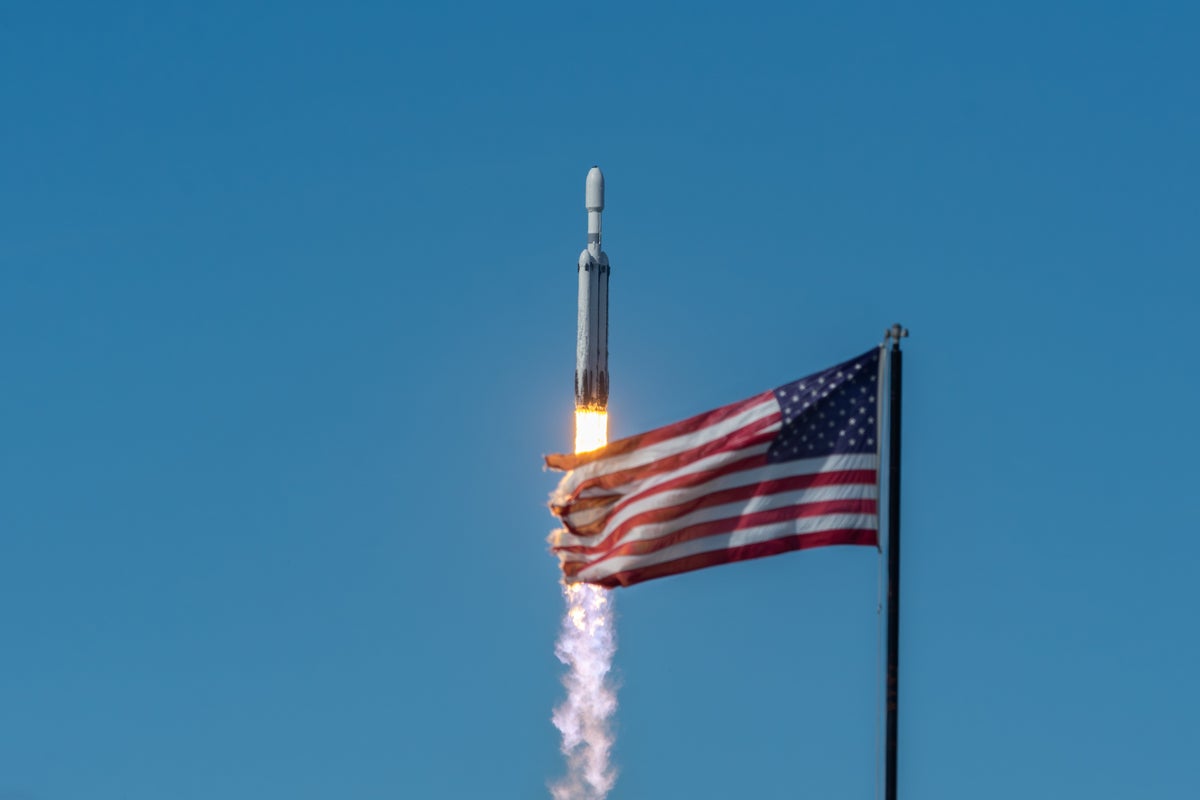
If the flotation proceeds as planned, it would sit just below Saudi Aramco's record-setting $1.7 trillion IPO in 2019. Musk, 54, founded SpaceX in 2002 with the goal of revolutionising space travel by slashing launch costs and making human missions to Mars viable. Over the past two decades, the company has reshaped the global launch market, fielding its reusable Falcon 9 and Falcon Heavy rockets and becoming the partner of choice for governments, satellite operators and private clients.
US news
fromArs Technica
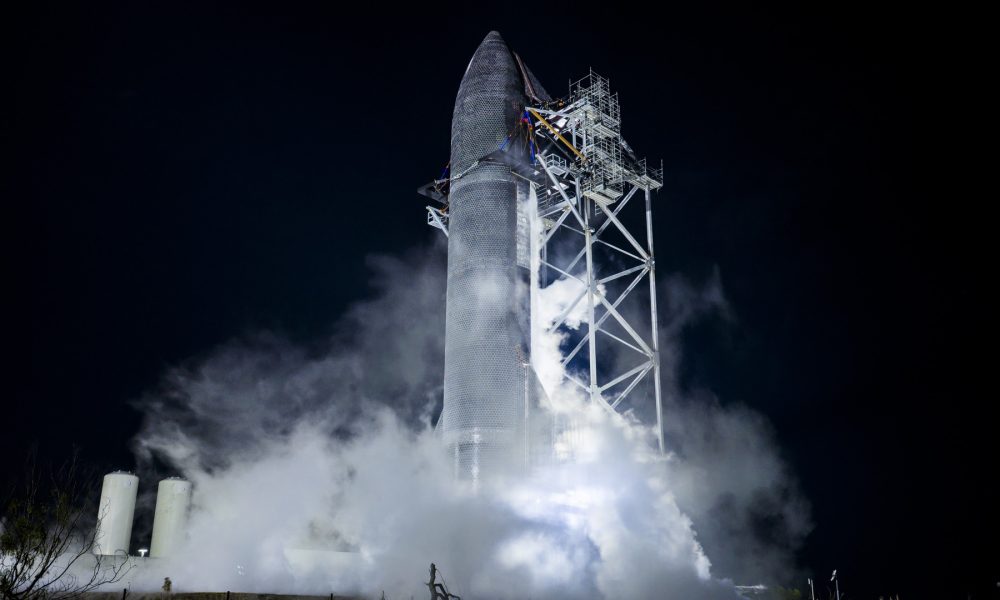
5 months agoRocket Report: SpaceX's next-gen booster fails; Pegasus will fly again
With the government shutdown over, the FAA has lifted its daytime launch curfew. Welcome to Edition 8.20 of the Rocket Report! For the second week in a row, Blue Origin dominated the headlines with news about its New Glenn rocket. After a stunning success November 13 with the launch and landing of the second New Glenn rocket, Jeff Bezos' space company revealed a roadmap this week showing how engineers will supercharge the vehicle with more engines.
Science



fromConsequence
7 months ago"We Built This City" on an Epic Pre-Chorus
What comes to mind when you think of Starship' s eternal 1985 hit "We Built This City?" For most it'll be that bright, synth-heavy chorus, which is sung with such gusto by Grace Slick and Mickey Thomas that you can practically picture them fist-pumping in the vocal booth when they recorded it. Some people may hear "We Built This City" and just generally think about the mid '80s, where this brand of so-called "corporate rock" had reached a dominant apex in Reagan's America
Music

fromTechCrunch
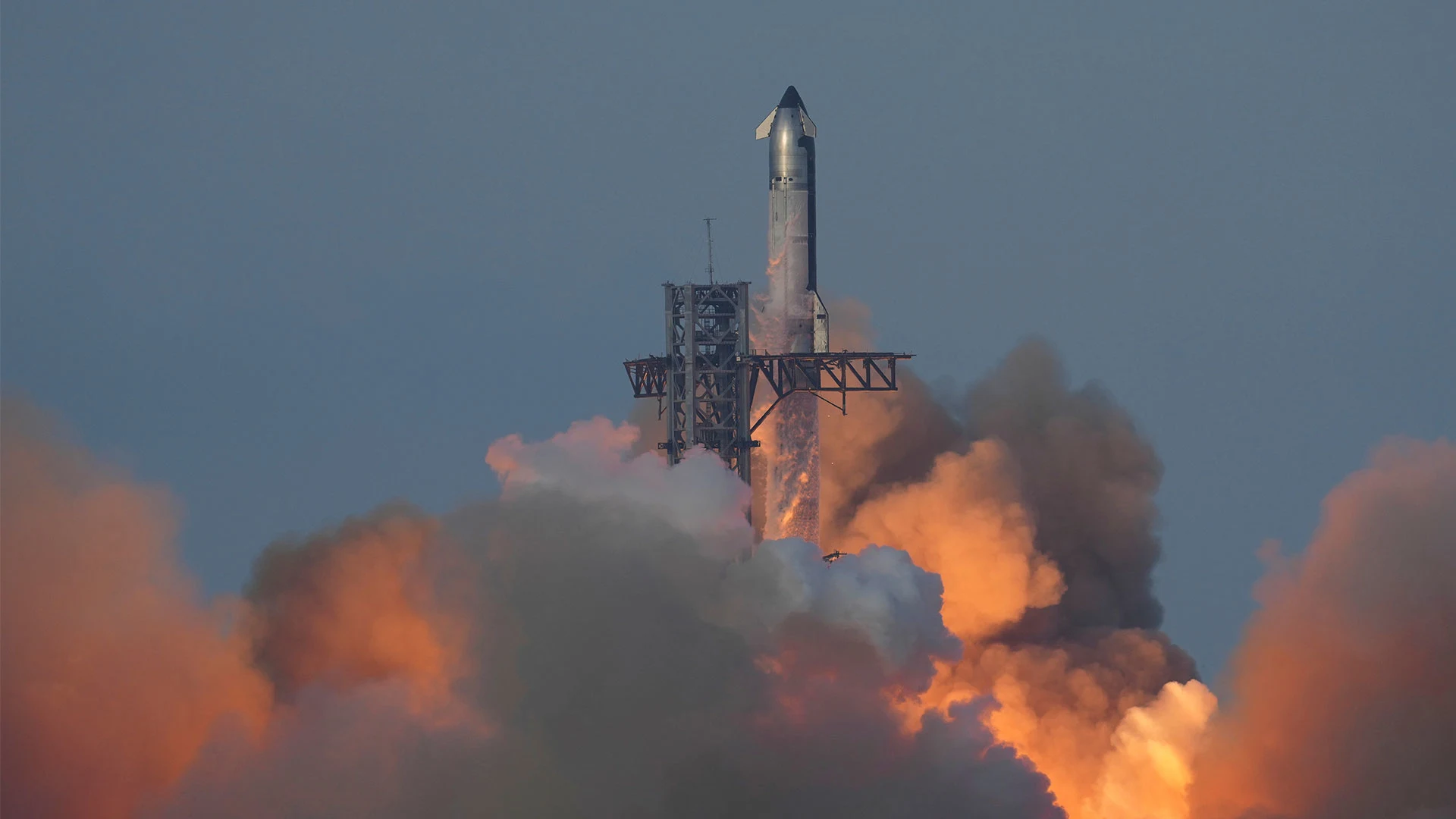
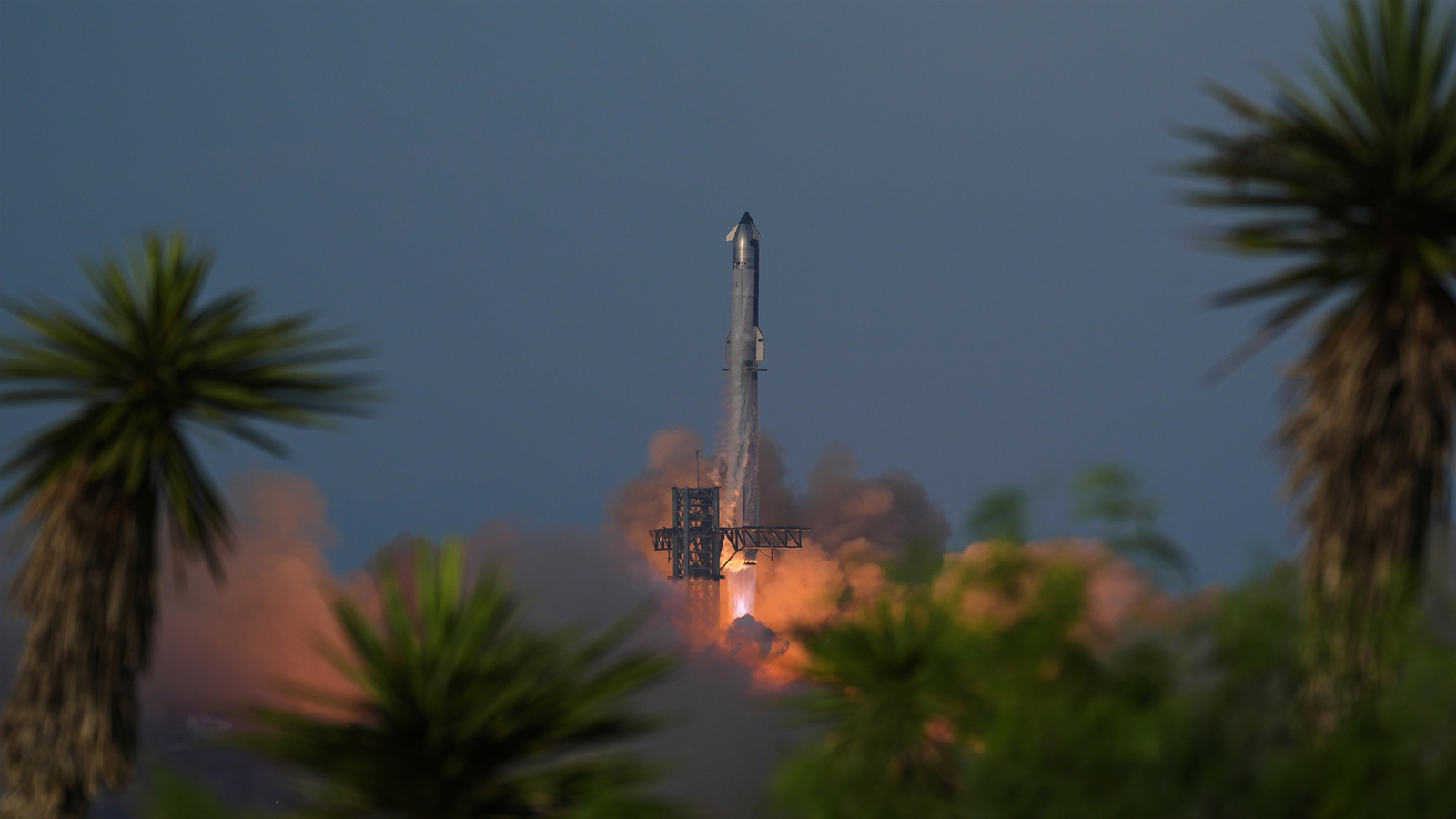
8 months agoStarship launches could delay Florida flights up to 2 hours, FAA says | TechCrunch
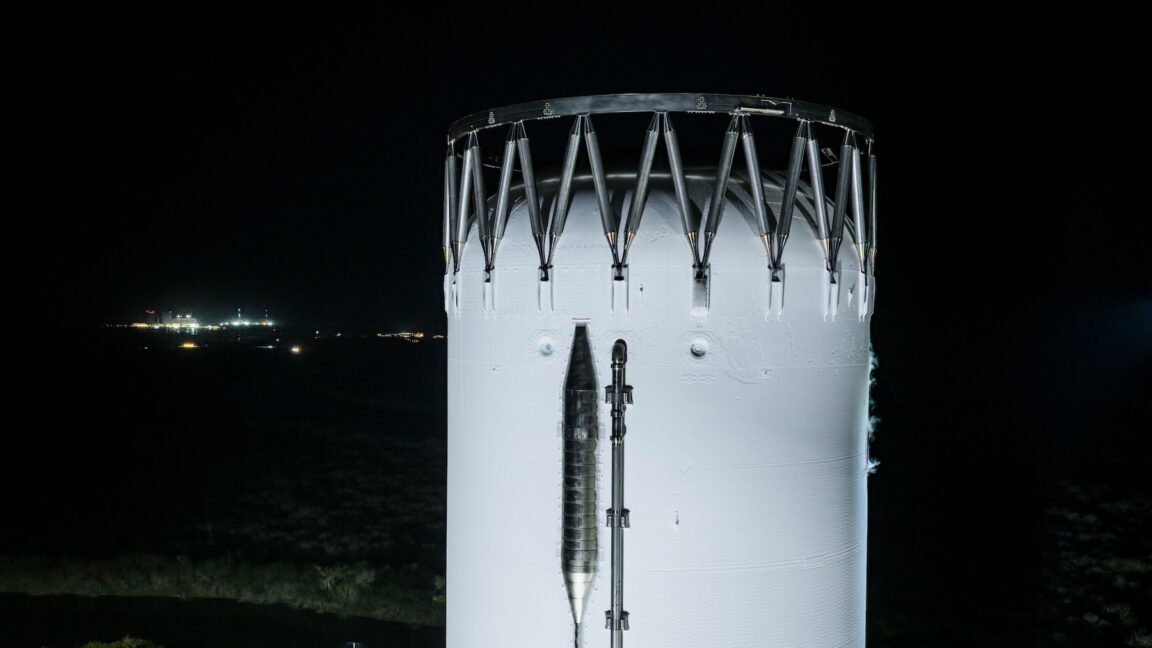
As regulators weigh SpaceX's plans to launch its massive Starship rocket from Kennedy Space Center, federal documents warn those flights could ripple through Florida airspace, forcing ground stops at multiple airports, reroutes, and delays of up to two hours. Even after launch, reentry of Starship's two stages could require ground stops at some of the busiest airports in the country, according to a draft environmental impact statement (EIS) released by the Federal Aviation Administration this month.
US news
[ Load more ]