#supermassive-black-holes
#supermassive-black-holes
[ follow ]
#early-universe #james-webb-space-telescope #active-galactic-nuclei #quasars #astrophysics #galaxy-formation
fromBig Think
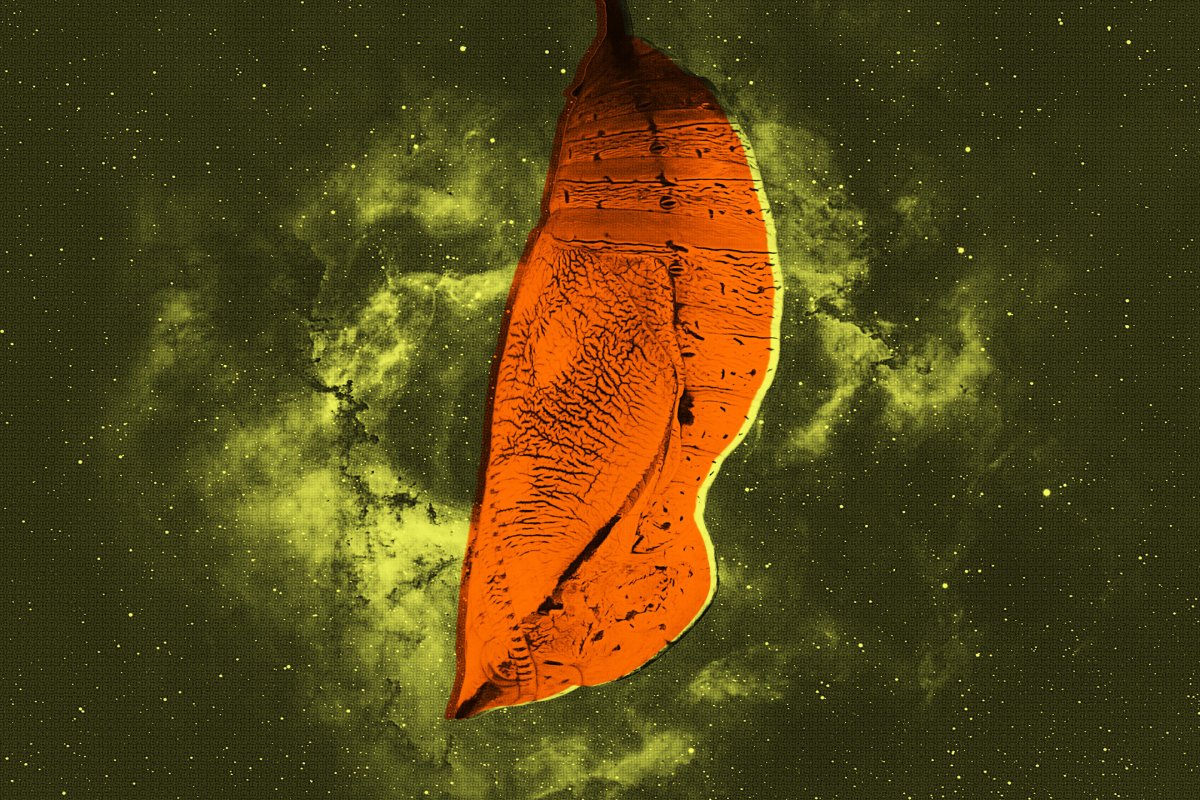
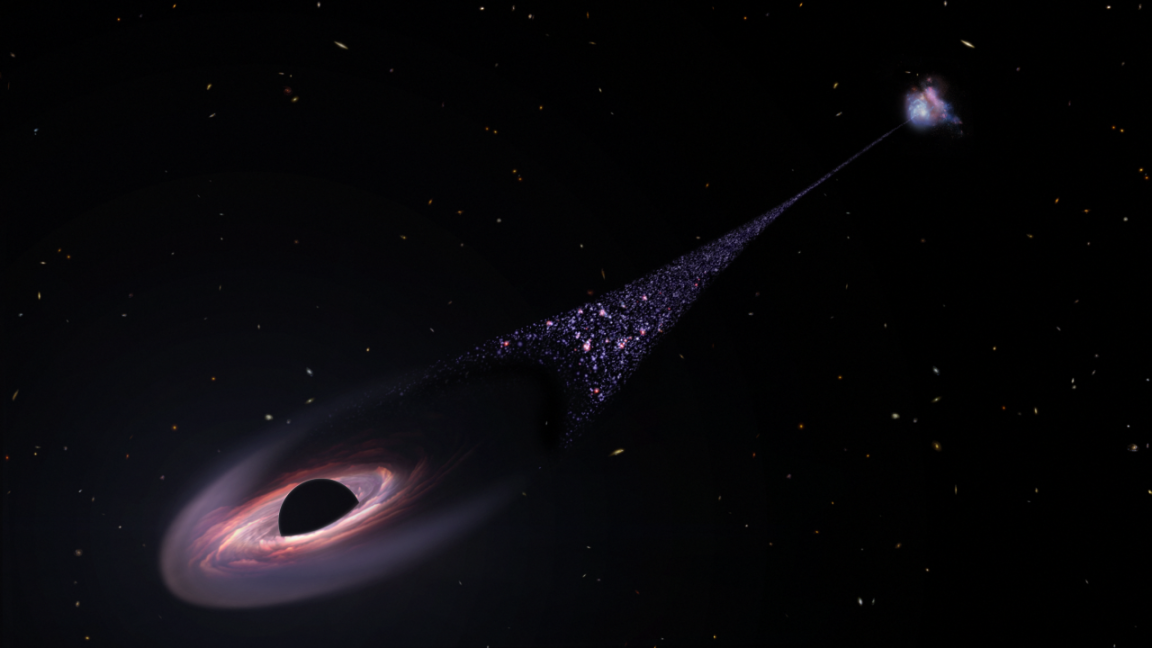
1 month agoOJ 287 has the most supermassive pair of black holes ever
The closest supermassive black hole pair, in NGC 7727, was discovered in 2021. Just 89 million light-years away, these 154,000,000- and 6,300,000-solar-mass black holes are just 1,600 light-years apart. Approximately 0.1% of young quasars are expected to be doubles, with typical separations of ~10,000 light-years.
OMG science
fromBig Think
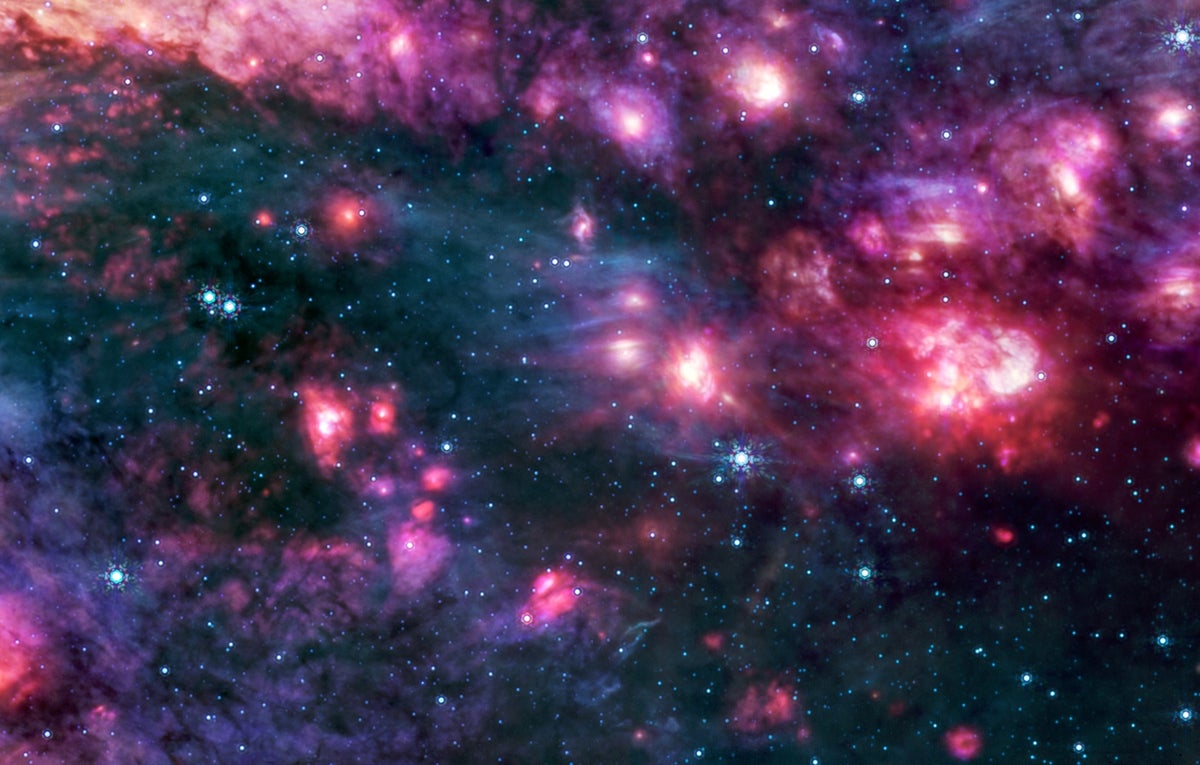
3 months agoWhat the Universe looks like: from nearby to far away
Looking skyward fills us with wonder. Off-world, the Sun, planets, stars, and galaxies all await. Our Solar System encompasses our own cosmic backyard. Farther away, stars and star clusters abound within the Milky Way. Hundreds of billions of stars exist just within our home galaxy. Inside our Local Group, only Andromeda surpasses us in mass, size, and stars. More than 5 million light-years away, galaxies abound in groups and clusters.
Science

fromArs Technica
5 months agoRunaway black hole mergers may have built supermassive black holes
The researchers used cosmological simulations to recreate the first 700 million years of cosmic history, focusing on the formation of a single dwarf galaxy. In their virtual galaxy, waves of stars were born in short, explosive bursts as cold gas clouds collapsed inside a dark matter halo. Instead of a single starburst episode followed by a steady drizzle of star formation as Garcia expected, there were two major rounds of stellar birth. Whole swarms of stars flared to life like Christmas tree lights.
Science
fromFuturism
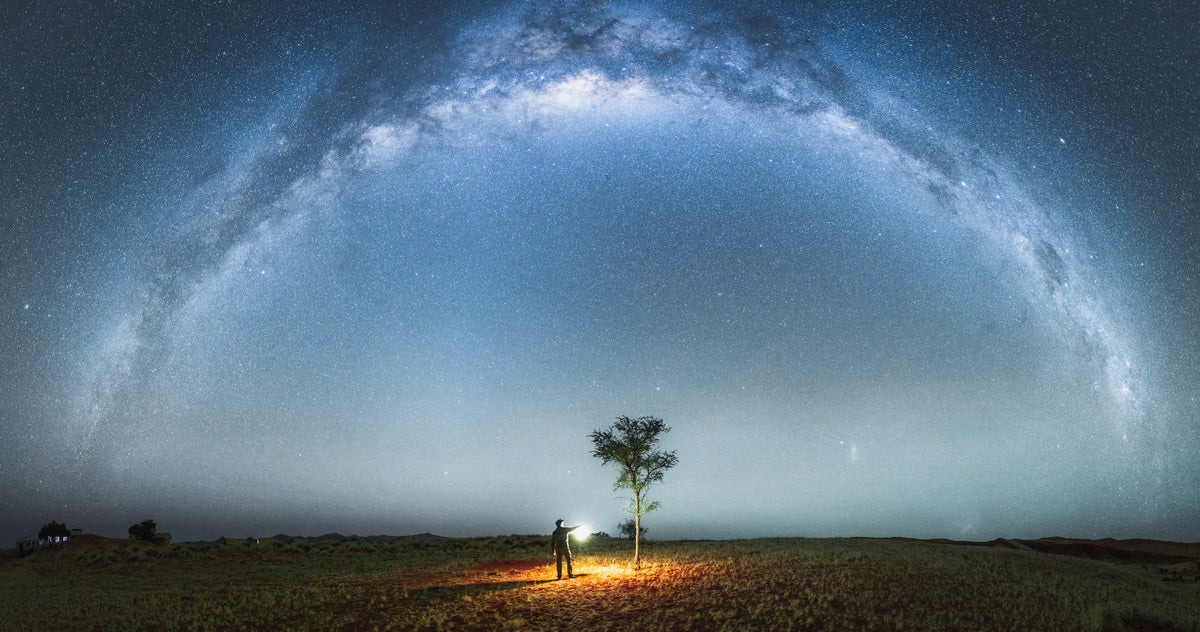
6 months agoThe James Webb Appears to Have Spotted "Dark Star" Powered by Dark Matter, Paper Claims
Astronomers say NASA's James Webb Space Telescope may have spotted the universe's first "dark stars," primordial bodies of hydrogen and helium that bear almost no resemblance to the nuclear fusion-powered stars we've come to know.
Science
[ Load more ]