#the-kings-warden
#the-kings-warden
[ follow ]

fromwww.theguardian.com
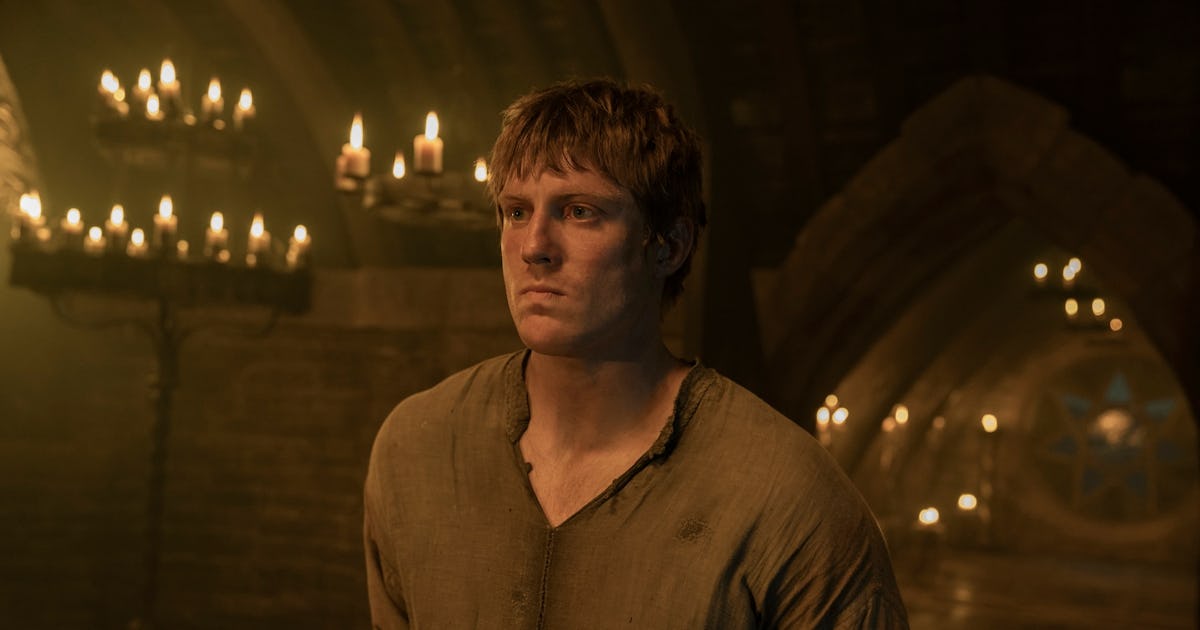
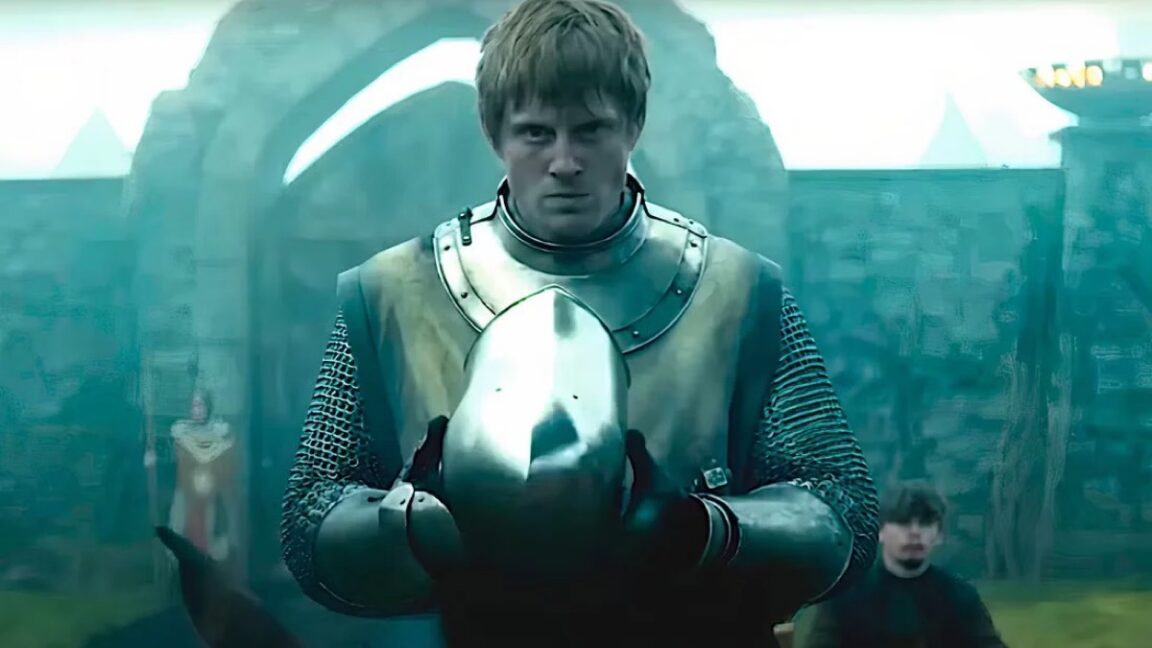
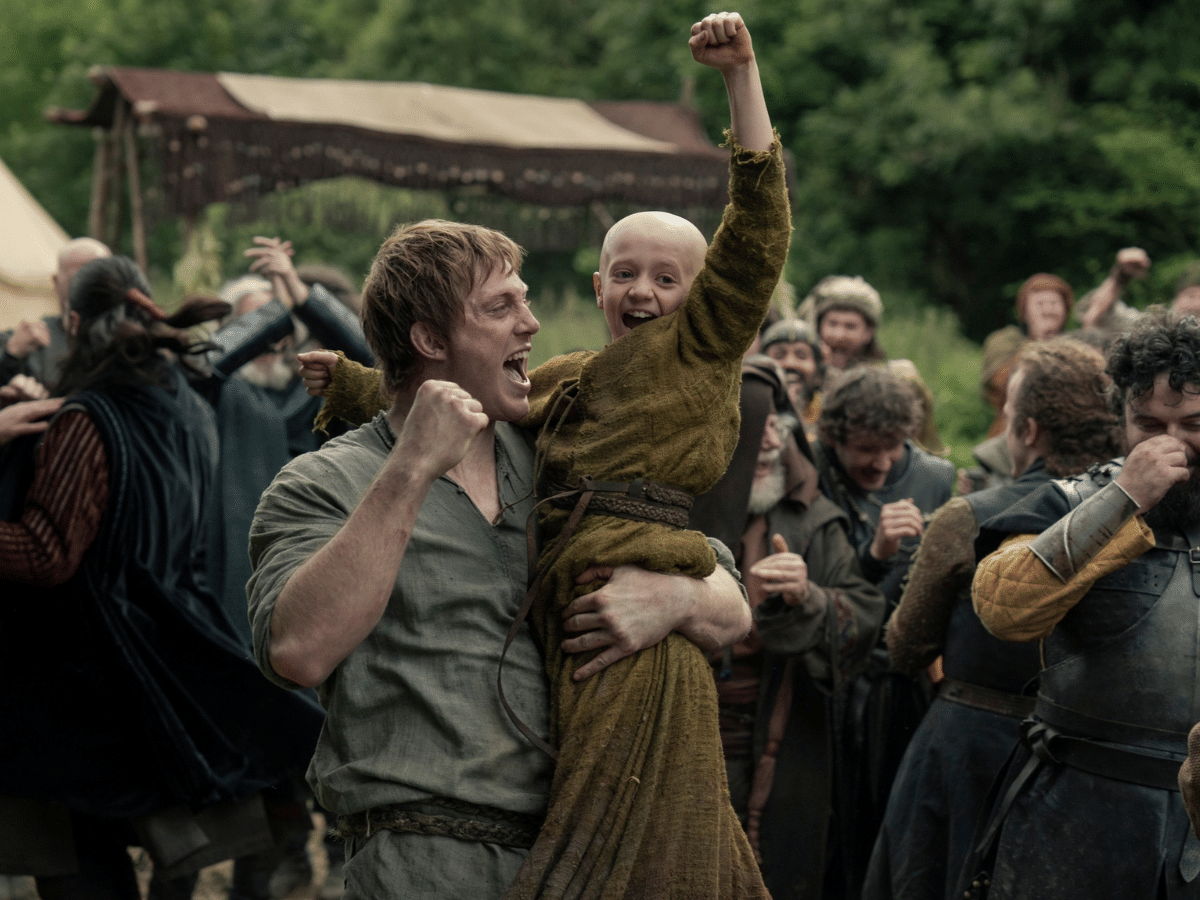
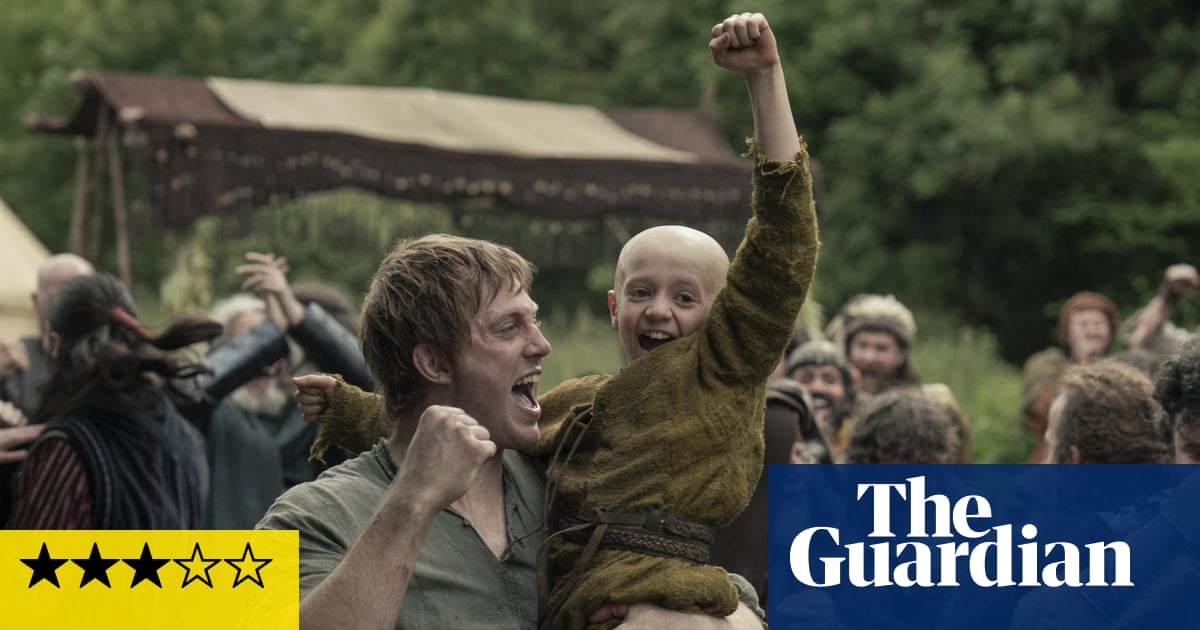
1 month agoThe Game of Thrones movie is coming but how are they going to make audiences root for the baddies?
Aegon arrives from Dragonstone with three dragons and demands that the kings of Westeros submit. When several refuse, he burns their castles and armies until they surrender. And that, at least according to the existing lore, is pretty much that.
Film

History
fromMedievalists.net
3 weeks agoMedieval Chess Reveals a More Diverse Middle Ages, Study Finds - Medievalists.net
Medieval chess functioned as a rare intellectual arena where people from different cultures and races engaged as equals, challenging assumptions about rigid medieval social hierarchies.
LA Kings
fromInverse
1 month agoA Star Wars Writer Is Writing A Game Of Thrones Movie - But There's A Catch
Game of Thrones franchise expands with multiple projects in development, including a theatrical film about Aegon's Conquest written by Beau Willimon, competing with another Aegon's Conquest project by Mattson Tomlin.
History
fromwww.theguardian.com
3 weeks agoCheck mates: analysis of medieval chess sets reveal vision of equality and mutual respect
Medieval chess served as an imaginary space where players from different races, religions, and cultures could engage as intellectual equals, challenging social hierarchies through intellectual exchange rather than reinforcing them.
fromEsquire
1 month agoThere's a Right-Wing 'Game of Thrones' and It's as Terrible as You'd Think
The Pendragon Cycle is a TV series executive-produced by right-wing commentator Ben Shapiro exclusively for DailyWire+. If you're unfamiliar, it's the conservative streaming outlet attached to Shapiro's The Daily Wire news service. As "alternative" broadcasting like the "All-American Super Bowl Halftime Show" becomes the new normal for the MAGA faithful, The Pendragon Cycle is a discount Game of Thrones that retells the story of King Arthur's most-trusted magician during the arrival of Christianity.
Television
fromPsychology Today
1 month agoThe Goodness Test: Dunk, Baelor, and Why Heroes Still Matter
For decades, we smallfolk have been told that goodness is naïve, that moral grayness is sophistication, and cynicism is cleverness. Turns out, we do not want it. Most of us can only take an endless string of villains, liars, and normalized nastiness for so long. Our battered nervous systems want a hero to root for who would not lie to us or betray us.
Miscellaneous
History
fromMedievalists.net
4 weeks agoNew Medieval Books: Widow City - Medievalists.net
Late medieval Italian widows mourned their spouses and navigated their lives through religious or secular paths, evolving from allegorical subjects to prominent authors who reshaped public discourse on widowed identity.
History
fromMedievalists.net
1 month ago10 Ways Video Games Have Rewritten the Middle Ages - Medievalists.net
Video games have become a primary way modern audiences encounter the Middle Ages, creating a distinctive form of medievalism shaped by gameplay mechanics that emphasizes warfare and reshapes historical reality.
LGBT
fromPinkNews | Latest lesbian, gay, bi and trans news | LGBTQ+ news
2 months agoPeople are seriously hyped for upcoming 'Lesbian Knight Game' 1348 Ex Voto
1348 Ex Voto hints that protagonist Aeta is a lesbian, generating strong fan excitement and some right-wing backlash over historical authenticity.
fromHyperallergic
1 month agoAll About Love From a Black Medieval Angel
Looking to the Middle Ages for answers to the perennial puzzles of life can seem quaint, even artificial, a long reach across centuries marked by violence, hierarchy, and exclusion. And yet medieval culture offers a way of thinking about love that still speaks to the present. If love is most urgently tested in moments of strain and upheaval, then it is in those moments - where care is stressed or obscured - that its meaning comes most clearly into view.
Arts
fromKotaku
1 month agoKingdom Come Deliverance II Is Coming To Xbox Game Pass
February has already seen the arrival of a preview build of RTS Menace and the arrival of Diablo II: Resurrected and High on Life 2 to Game Pass, which is hard to sniff at (until you remember that Microsoft increased the price of the subscription from $20 to $30 a month last year). But the second half of the month is much more busy, starting today with the addition of Aerial_Knight's DropShot, and Ubisoft's surprisingly great Avatar: Frontiers of Pandora.
Games



fromInverse
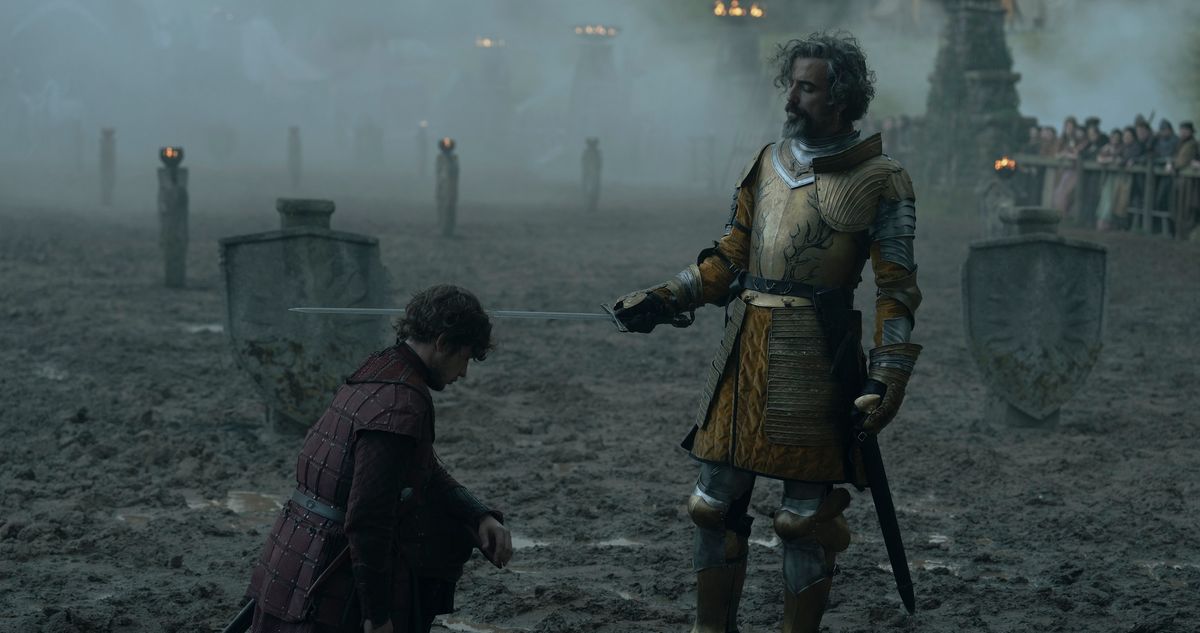
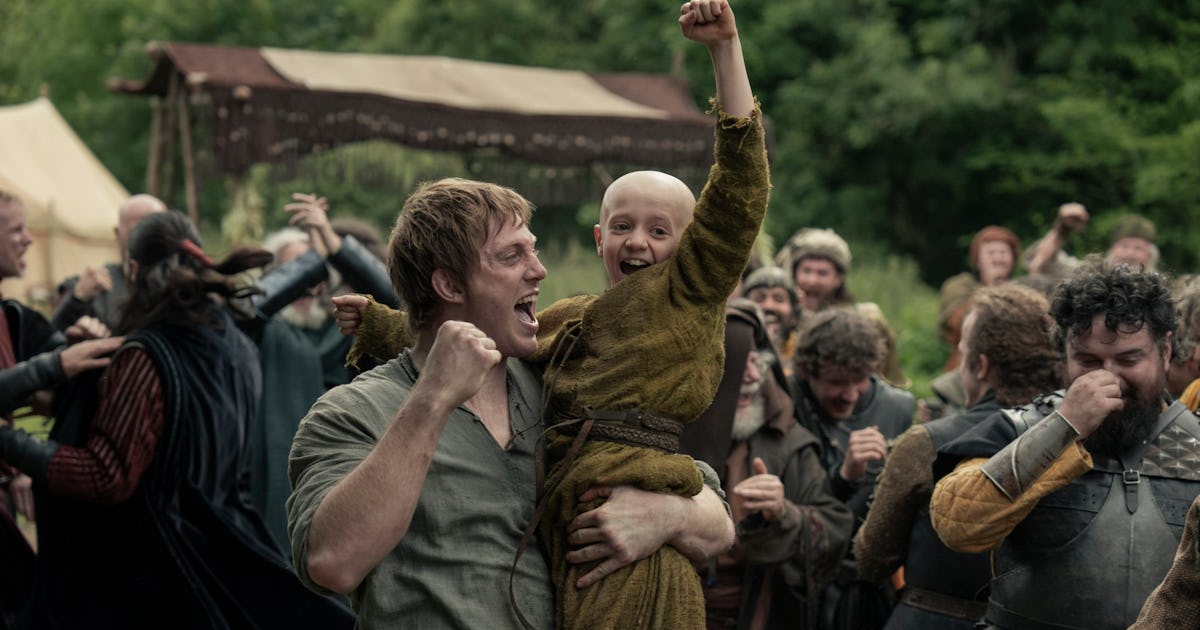
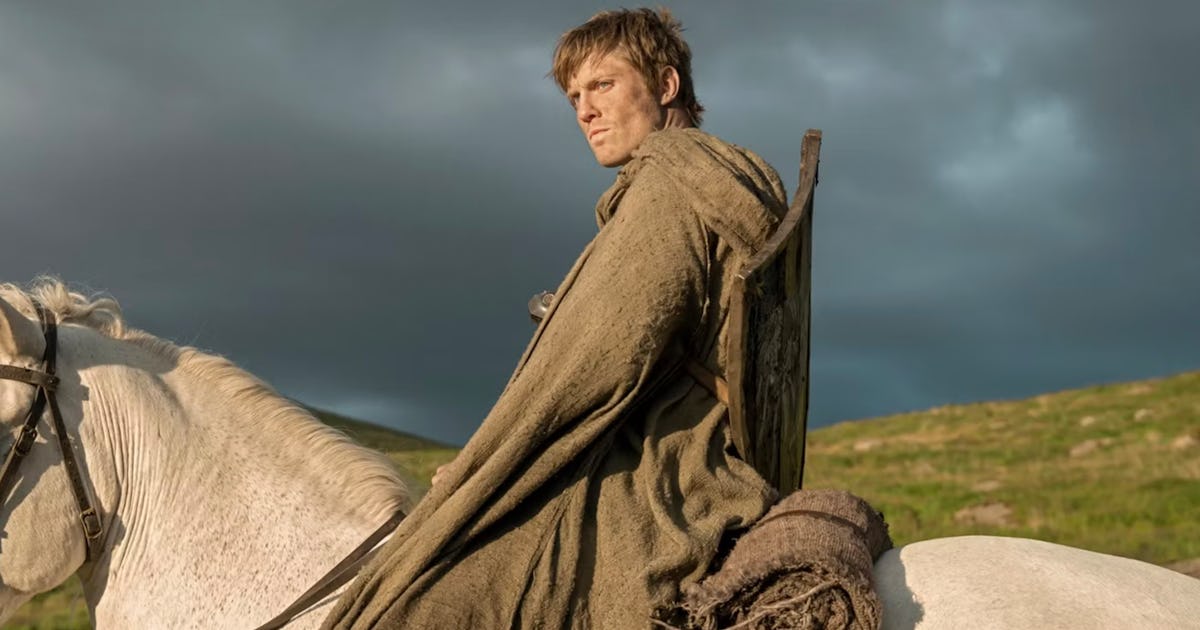
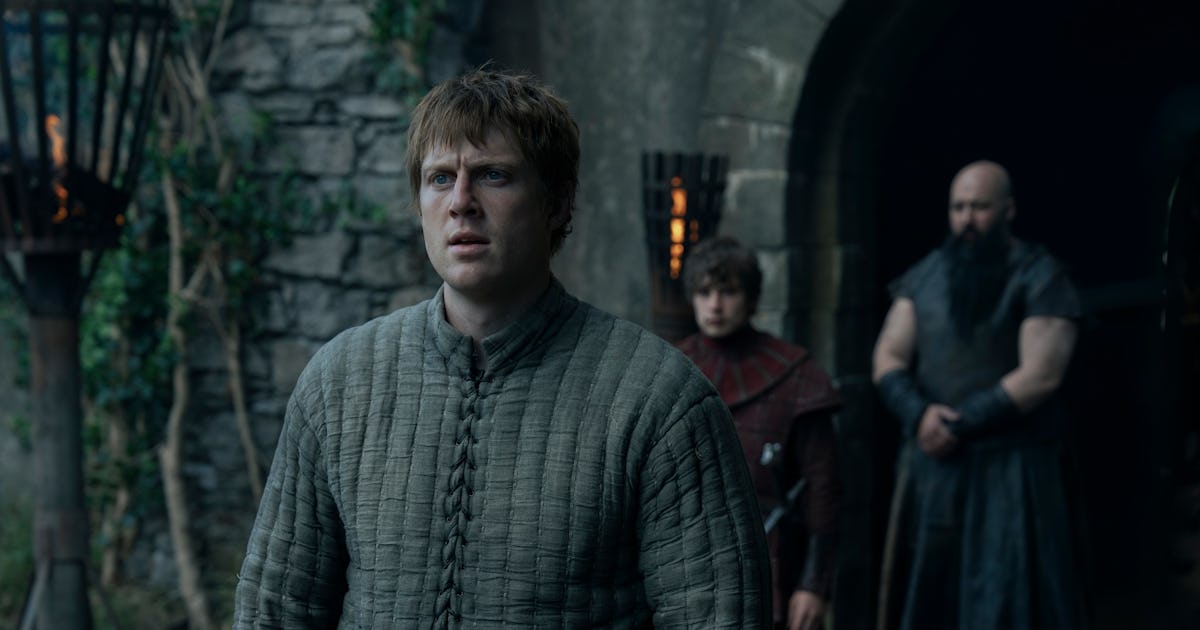
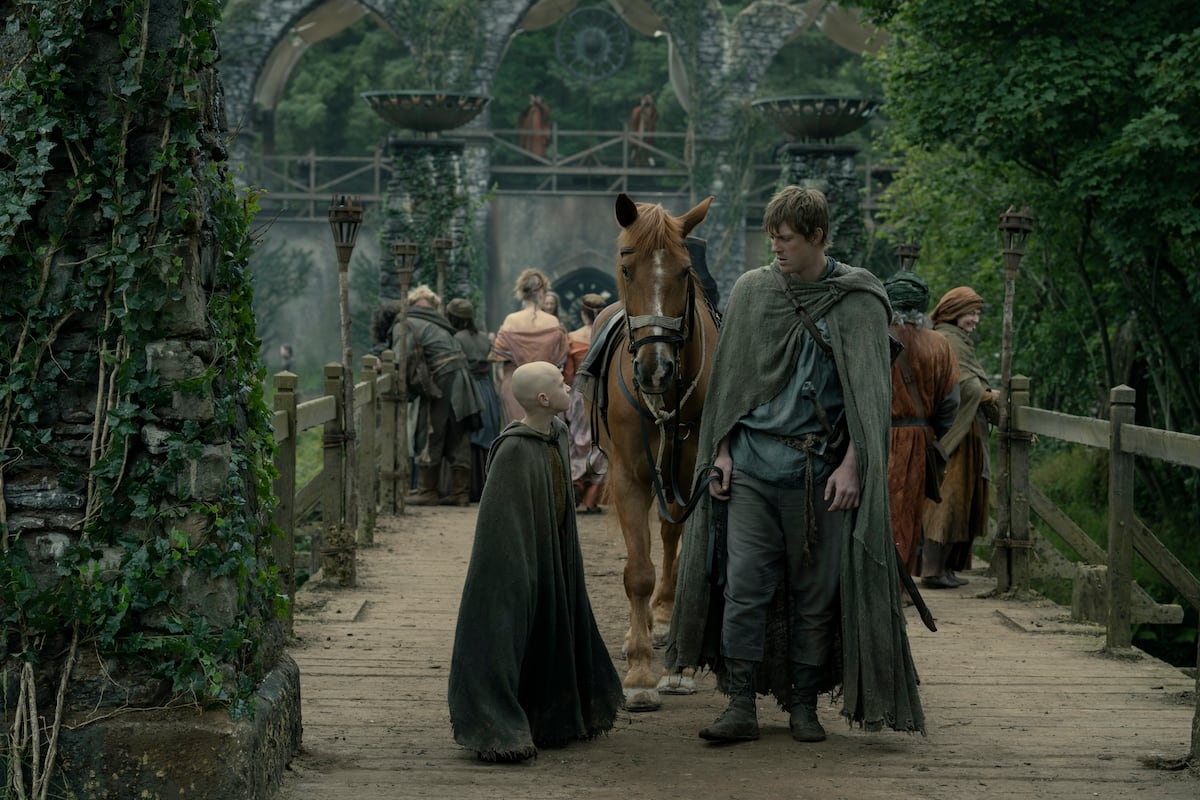
2 months agoWho Is Dunk? Everything You Need To Know About Ser Duncan The Tall
We don't know much about Dunk's beginnings, but to be fair, he didn't know much either. He grew up an orphan in Flea Bottom, the slum near King's Landing. He had no idea who his parents were, but figured he was an orphan and probably a bastard. (Some fans suggest he could be related to Brienne of Tarth, since he was tall just like her, but that's still unconfirmed.) He made a life by scavenging all kinds of meat for establishments that made "bowls of brown," the go-to food of Flea Bottom.
Television
Books
fromOregon ArtsWatch * Arts & Culture News
2 months agoA fresh retelling of the tale of Sir Gawain and the Green Knight * Oregon ArtsWatch
A contemporary retelling renders Sir Gawain and the Green Knight in modern English, blending skeptical scrutiny of magic with medieval enchantment and antiquarian sonnets.
fromMedievalists.net
2 months agoNew Medieval Books: The Forsaken 14th Century - Medievalists.net
In this volume, the authors aim to provide a truly global overview of the 14 century, with each region given approximately the same space. It is obviously impossible to cover every event in every country of the world in a single volume, just as you would not be able to visit every city in every country if you traveled around the world for a year.
History
fromMedievalists.net
2 months agoNew Medieval Books: Interconnected Traditions - Medievalists.net
This open-access book brings together more than thirty essays on languages and the ways they develop, interact, and influence one another. Its main focus is the Middle East, where Hebrew, Arabic, and Aramaic long existed side by side and often overlapped in everyday use, scholarship, and culture. In line with Geoffrey (Khan)'s commitment to the maximally accessible dissemination of research, this Festschrift has been published in both open-access digital editions and affordable printed formats.
History
fromInverse
2 months agoWho Is Aegon? 'Knight Of The Seven Kingdoms' Shocking Twist, Explained
At long last, the secret behind Egg has been revealed. A Knight of the Seven Kingdoms is now half over, but now viewers have learned the squire's true identity, something readers of the original Tales of Dunk and Egg books have known from the start. But what does this new secret mean for the future of the show - and the future of Westeros itself? The answer is a lot more complicated than you may think.
Television
fromMedievalists.net
1 month agoNew Medieval Books: The Conqueror's Gift - Medievalists.net
Imperial Roman ethnography was a gift the Romans made for themselves, because it embraced concepts with which they could address the great cultural diversity of their world. It was a gift that came from the conquerors, reflecting their supposition of preeminence. At the same time, Roman ethnography was a somewhat less welcome present for the many peoples who found themselves trapped in Rome's vision, needing to find a place within it that made sense to Roman demands.
History
fromConsequence
2 months agoWhy A Knight of the Seven Kingdoms Uses the Game of Thrones Theme as a Punchline
"What was so beautifully done about House of the Dragon is this epic scale at which the story is told. So to have this big booming orchestral score was very important," Kingdoms showrunner Ira Parker says during a roundtable interview. However, for his series, "we realized early on that we're telling a small story here - a small story about a simple person who has smaller ambitions. And so, certainly our sound had to suit that."
Television
fromInverse
2 months ago'A Knight Of The Seven Kingdoms' Review: A Breath Of Fresh Air For Game Of Thrones
When a franchise goes big, you have two choices for what to do next. You can zoom out and reveal the wider context of the original story, or you can zoom in and spotlight a story that has lower stakes. This latter approach is high-risk, high-reward, but it could serve to completely redefine the entire property. Take, for example, the DC Universe.
Television
fromMedievalists.net
2 months agoTalking Templars: Assassins versus Templars - Medievalists.net
The Assassins and the Knights Templar have become two of the most iconic groups of fighters from the period of the Crusades. In recent times, they have been popularised through the video game and movie franchise, Assassin's Creed. But who were they really and how did they interact in the Holy Land? It's an intriguing story that Dr Steve Tibble and Tony McMahon investigate in the first episode of their new podcast series, Talking Templars.
History
fromWorld History Encyclopedia
1 month agoSeven Kings Must Die Film - Historical Accuracy
Seven Kings Must Die (2023) is a historical drama film based on Bernard Cornwell's novel Warlord (2020) and is a sequel to the TV series The Last Kingdom (2015-2022). Directed by Edward Bazalgette and produced by Carnival Films, it depicts the build-up to and the Battle of Brunanburh (937), in which King Aethelstan of England (reign 924-939) defeated an alliance of Scots and Vikings. Background & The Last Kingdom The film's protagonist is the fictional warrior and nobleman Uhtred of Bebbanburg (modern-day Bamburgh).
History
fromMedievalists.net
2 months agoWhen Was Violence Legitimate? Feuds and Just War in Early Medieval Germany - Medievalists.net
Max Weber famously argued that one of the hallmarks of a modern state was a monopoly on the legitimate use of physical force within a defined territory. Within the compass of the law of war, Weber's insights have been associated with the legal tradition of ius ad bellum. This is the concept that governments retained the exclusive authority to declare legitimate war.
History
fromMedievalists.net
1 month agoOnline Course: Medieval Gender and Sexuality - Medievalists.net
Eleanor Janega is one of the most well-known historians of the Middle Ages, widely recognised as the host and co-creator of several history series on HistoryHit TV and the podcast Going Medieval. She is also a prolific writer and public educator, bringing medieval history to a broad audience through her engaging books, articles, and media appearances. With a keen focus on medieval society, gender, and power structures, Janega challenges popular misconceptions and makes the past accessible with wit and scholarly depth.
History
fromWorld History Encyclopedia
2 months agoDid Uhtred of Bebbanburg Really Exist in Anglo-Saxon England?
The Last Kingdom (2015-2022) is a historical fiction TV series based on Bernard Cornwell's The Saxon Stories novels and adapted for television by English screenwriter Stephen Butchard. With five seasons, the show began as a BBC production and was later acquired by Netflix. Filmed in Hungary and Wales, it is based on English history during the 9th and 10th centuries, as the Anglo-Saxon kingdoms fought against the invading Vikings.
History

[ Load more ]