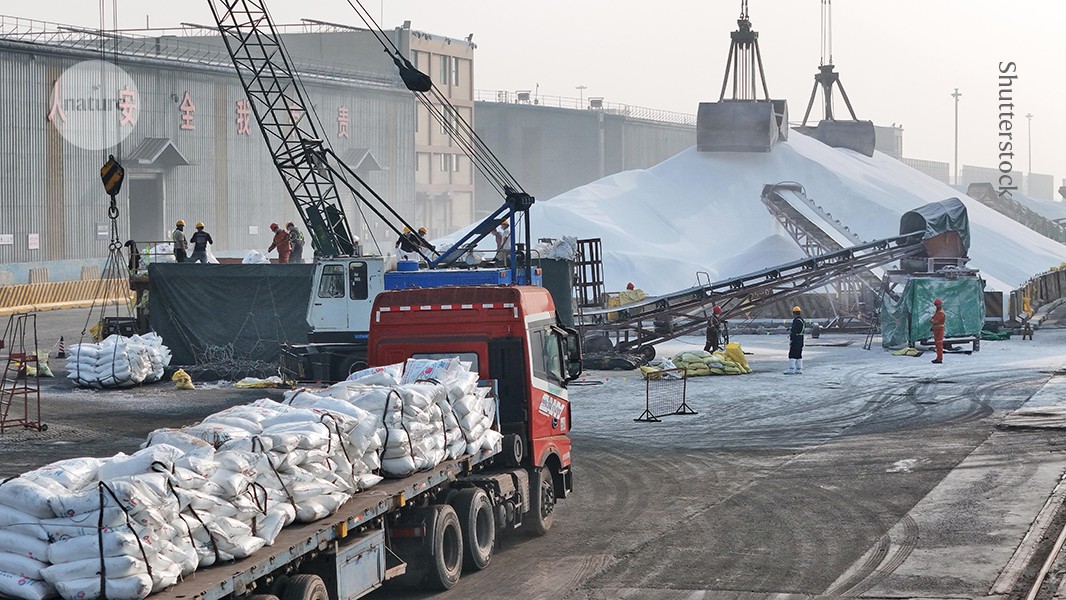
"The disruptions caused by blocked maritime bottlenecks, including the Strait of Hormuz, limiting tanker movements and flows of oil and liquefied natural gas, underscore the coupled nature of global energy and food systems."
"The current fertilizer crisis is worse than the one in 2022 because more countries are affected. The Strait of Hormuz is a crucial passage for world trade."
"Half of all food consumed globally depends on synthetic nitrogen fertilizers made using an industrial ammonia-producing method called the Haber-Bosch process, which consumes 1-2% of global energy."
The ongoing war in the Middle East has led to a 46% increase in urea prices due to geopolitical and energy shocks affecting nitrogen supply chains. Blocked maritime routes, particularly the Strait of Hormuz, have limited oil and liquefied natural gas flows, exacerbating global food insecurity. The World Food Programme warns that over 360 million people may face acute food insecurity by 2026. Fertilizer production is essential for food security, and the agricultural sector must adapt to reduce reliance on unstable energy markets.
Read at Nature
Unable to calculate read time
Collection
[
|
...
]