#middle-east-conflict
#middle-east-conflict
[ follow ]
#iran #us-iran-relations #strait-of-hormuz #oil-prices #ceasefire #diplomacy #us-foreign-policy #economic-impact
fromwww.theguardian.com
15 hours agoTwo million airline seats cut amid soaring jet fuel prices
Two million airline seats have been cut from this month's schedules as airlines redraw their operations because of soaring jet fuel prices amid the Middle East conflict. About 13,000 fewer flights will operate in May around the world after recent cancellations, according to data from the aviation analytics company Cirium.
Europe news
World news
fromLondon Business News | Londonlovesbusiness.com
1 day agoGold might be under severe risk amid prolonged Middle East war - London Business News | Londonlovesbusiness.com
Gold prices are recovering slightly, but ongoing Middle East conflict continues to exert downward pressure on demand and market stability.
World news
fromwww.mediaite.com
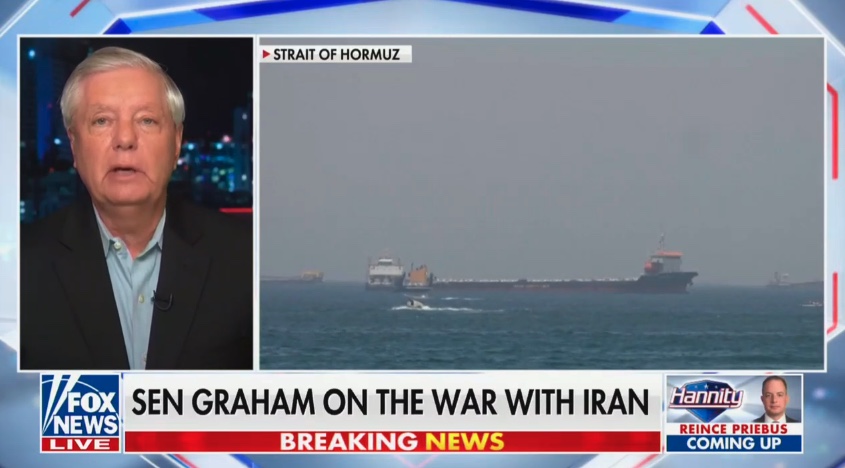
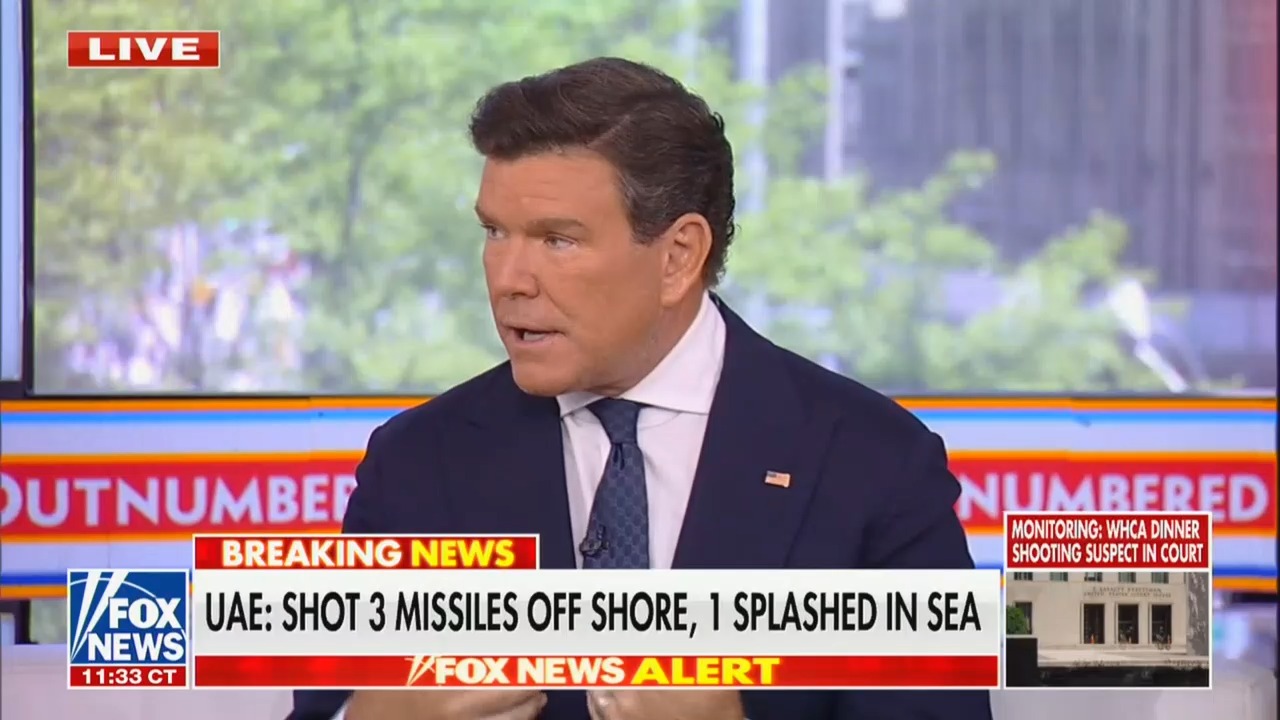
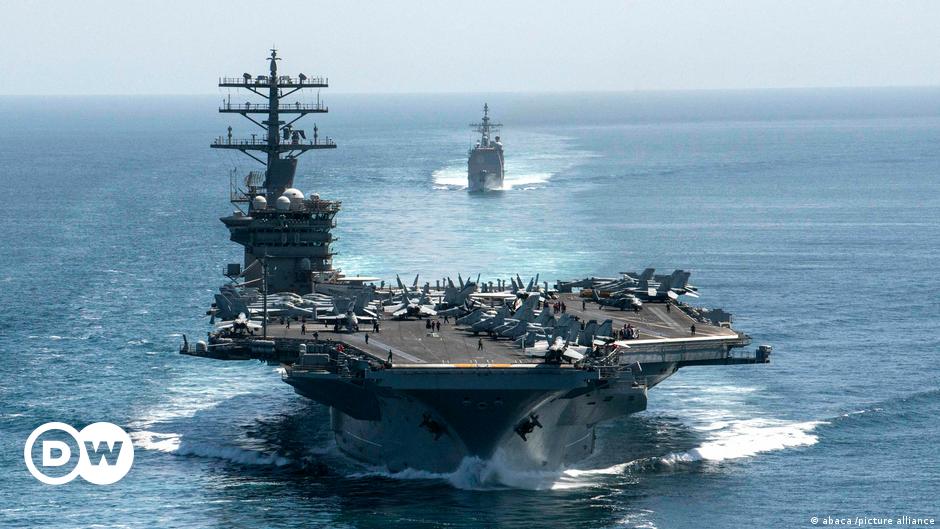
1 day agoLindsey Graham Does 180 on Fox News, Says U.S. Shouldn't Be Taking Kharg Island' Just Weeks After He Told Trump, Take Kharg Island'
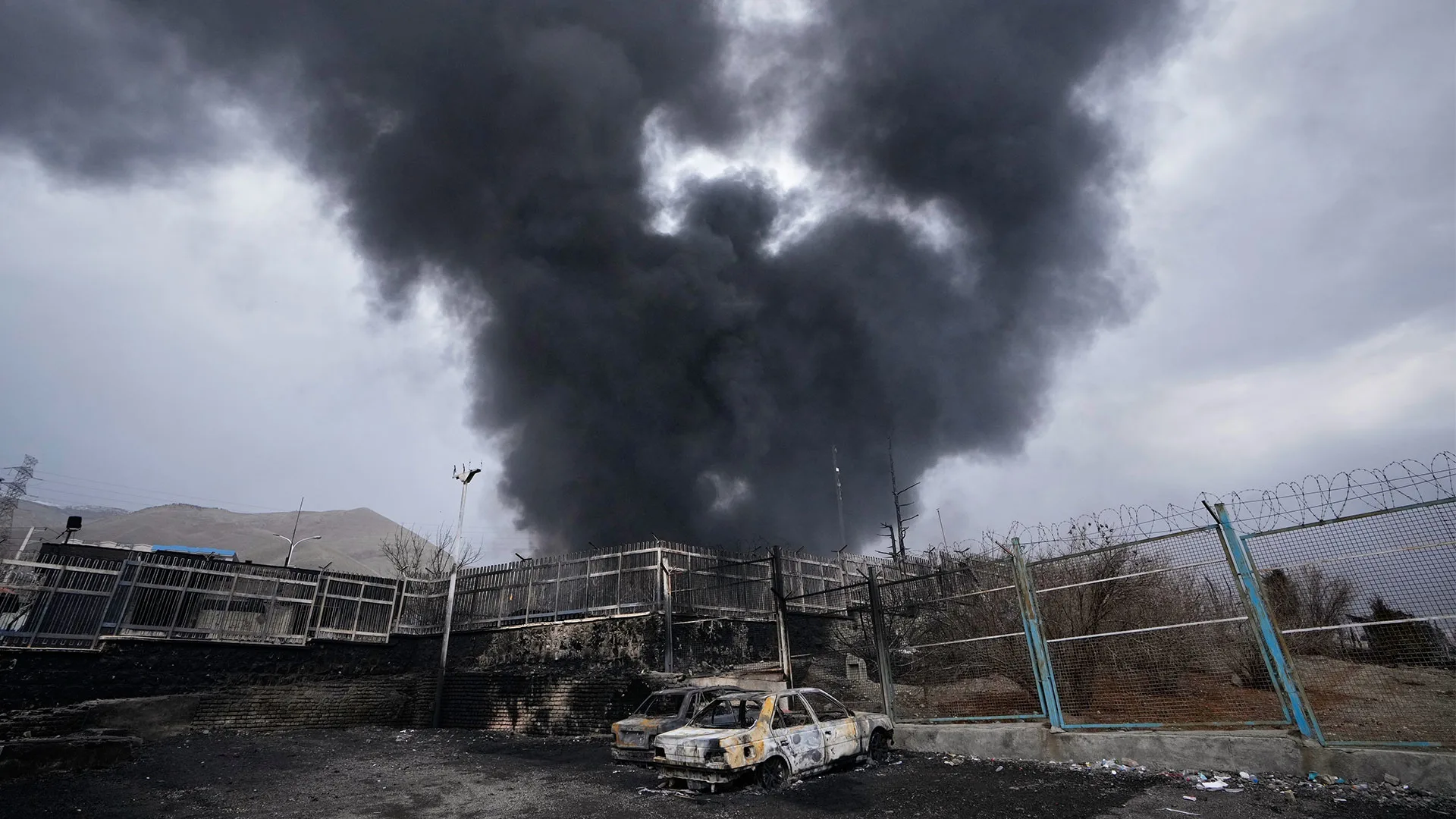
Sen. Lindsey Graham reversed his stance on seizing Iran's Kharg Island, now advocating for airstrikes instead of ground control to achieve U.S. objectives.






#oil-prices



World news
fromLondon Business News | Londonlovesbusiness.com
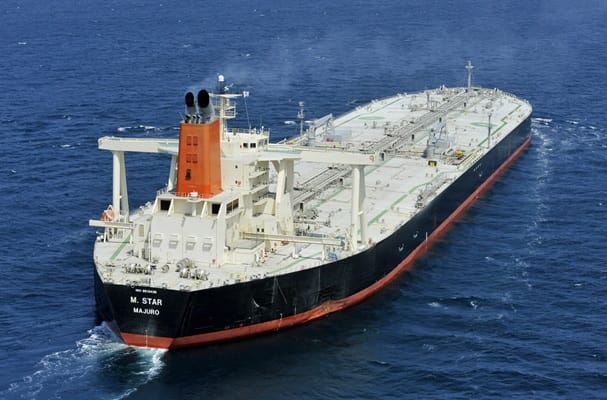
4 days agoOil futures hold with further upside risk ahead - London Business News | Londonlovesbusiness.com
Oil prices rise due to escalating Middle East tensions and concerns over oil infrastructure, with expectations of higher prices persisting longer than anticipated.
World news
fromLondon Business News | Londonlovesbusiness.com
1 week agoGovernment working tirelessly to ensure food and fuel crisis is being properly observed - London Business News | Londonlovesbusiness.com
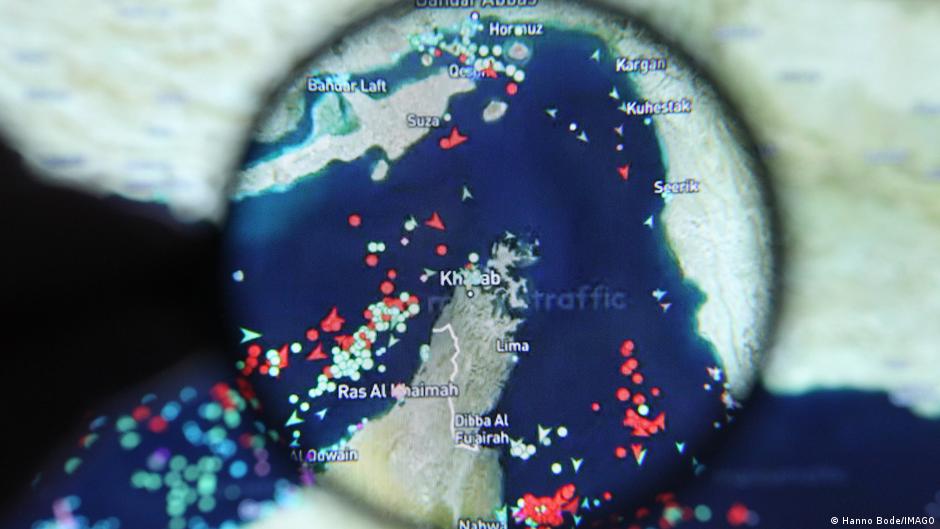
The Government is reassuring the public about oil supply stability amid rising prices due to the Strait of Hormuz closure.
World news
fromLondon Business News | Londonlovesbusiness.com
2 weeks agoOil falls while the risk of renewed escalation remains high as the ceasefire nears its end - London Business News | Londonlovesbusiness.com
Oil prices declined amid optimism about a potential end to the Middle East conflict, despite risks of renewed escalation.
London
fromLondon Business News | Londonlovesbusiness.com
5 days agoLondon hotel slump signals early hit from Middle East war as occupancy falls again - London Business News | Londonlovesbusiness.com
Occupancy in London hotels declined in March, indicating early effects of the Middle East conflict on international travel.
fromLondon Business News | Londonlovesbusiness.com
1 week agoHeathrow warns Middle East conflict will hit passenger numbers - London Business News | Londonlovesbusiness.com
While Heathrow has temporarily absorbed demand from elsewhere, passenger numbers for the rest of the year are likely to be impacted whilst there is significant uncertainty in the Middle East.
Europe news
fromFortune
1 week agoActivists call out 'horrifying' soaring oil and gas profits as energy companies cash in on the Iran war | Fortune
"It is horrifying to see BP's profits grow as millions suffer the fallout from the U.S.-Israel war on Iran," Patrick Galey, head of investigations at campaigning outfit Global Witness, said in a statement responding to the company's results.
Europe news
fromTruthout
1 week agoTop Biden Official: Israel Committed Genocide, But US Must Still Support It
Wendy Sherman stated, 'It is critical that Israel remains an ally of the U.S. and we protect the right of a Jewish state. I also believe that Prime Minister [Benjamin Netanyahu] has led us down a road - and we have been part of it - that has, in essence, created a genocide in Gaza that has destabilized the Middle East.'
Left-wing politics
Europe news
fromLondon Business News | Londonlovesbusiness.com
1 week agoFTSE dips amid oil surge and geopolitical uncertainty - London Business News | Londonlovesbusiness.com
FTSE 100 declined as investors reacted to Middle East conflict uncertainty and mixed signals regarding potential diplomatic progress.
fromLondon Business News | Londonlovesbusiness.com
1 week agoSainsbury's sounds alarm on earnings as geopolitical strain hits shoppers - London Business News | Londonlovesbusiness.com
J Sainsbury plc has warned that the conflict in the Middle East will impact both our customers and our business, raising the prospect of lower profits this year as geopolitical pressure feeds through into household budgets and supply chains.
Business
fromLondon Business News | Londonlovesbusiness.com
1 week agoAir travel shock wipes out WH Smith outlook as dividends halted
In light of the uncertainty arising from the conflict in the Middle East, the group is taking a more cautious outlook reflecting the impact on passenger numbers and weaker consumer confidence.
Business
fromFortune
2 weeks agoSoutheast Asia's short-term solution to the global energy crunch? Russian crude. | Fortune
"Fortunately, our relations with Russia remain good," Anwar Ibrahim, Malaysia's prime minister, told local publication Sinar Harian. "Therefore, the Petronas team can negotiate with them."
World politics
fromwww.theguardian.com
2 weeks agoEd Miliband to double down on net zero with measures to combat Iran energy shock
The era of fossil fuel security is over, and the era of clean energy security must come of age. This is the clear lesson as we face the second global energy shock in less than five years.
UK politics
fromwww.dw.com
2 weeks agoDisplaced by Iran war: out of Lebanon, into Syrian crisis
When Israeli missiles destroyed entire homes in my neighborhood in southern Lebanon's city of Tyre, we decided it was time to save our lives again. More than 227,549 people had crossed the three official border points from Lebanon into Syria, according to the latest numbers from the United Nation's International Organization for Migration (IOM).
France politics
fromwww.cbc.ca
2 weeks agoAir Canada suspends Toronto and Montreal flights to JFK over jet fuel cost crisis | CBC News
As jet fuel prices have doubled since the start of the Iran conflict and some lower profitability routes and flights are no longer economic, we are making schedule adjustments accordingly.
Canada news
[ Load more ]