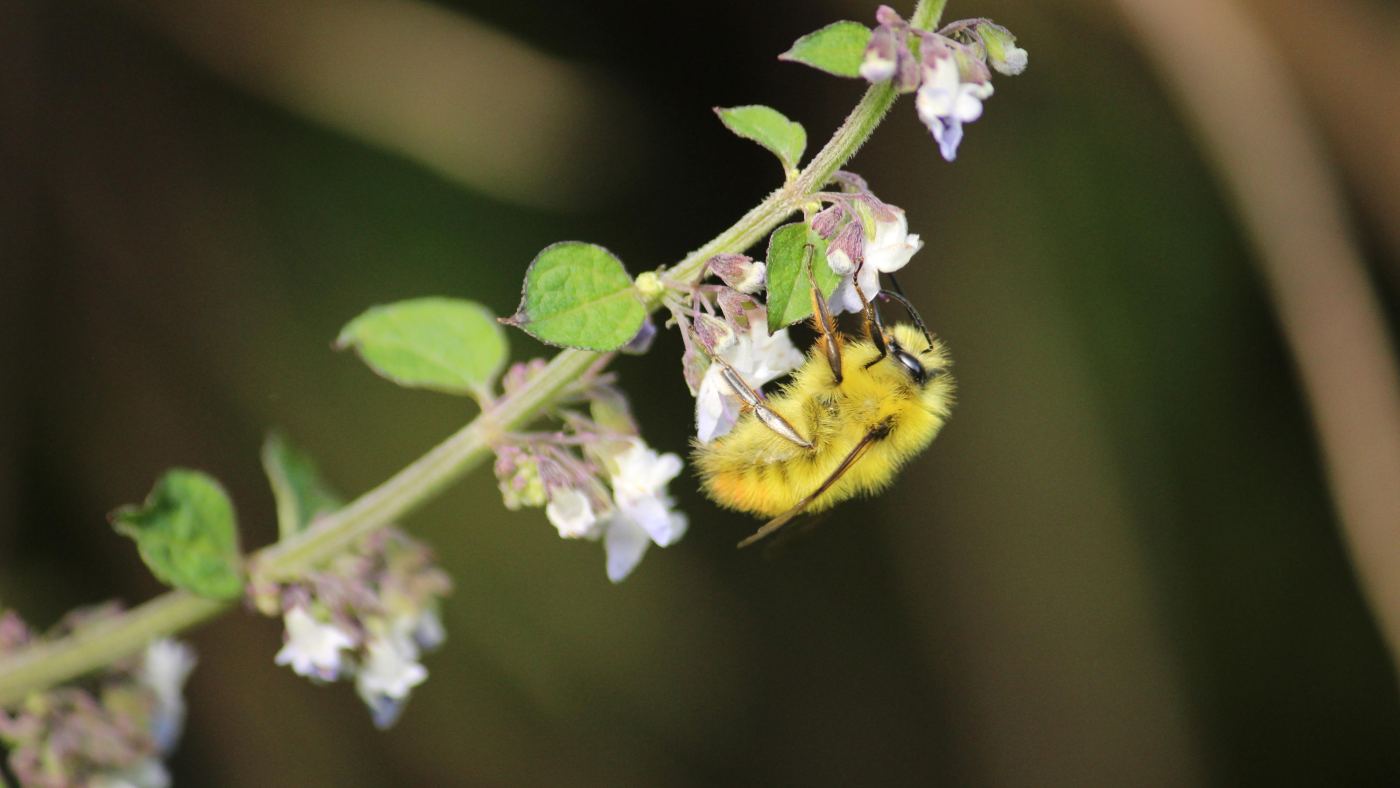
"In rural communities, pollinating bees and hoverflies are responsible for more than 20% of people's intake of key vitamins, and more than 40% of their income. Insect decline, driven by climate change and habitat loss, could result in more hardship for people, the researchers project."
"Biodiversity isn't just about saving bees or wild animals. It's for the benefit of humans and sometimes the most vulnerable populations. It promotes income, it promotes nutrition, it promotes health."
"Ecological systems are complex and messy. Making sense of that mess to draw distinct lines from biodiversity to human nutrition takes painstaking work tracing people's diet to individual crops and then, the pollinators that support them."
Biodiversity plays a crucial role in human health, with ecosystems providing essential services like pollination and nutrient supply. In rural Nepal, pollinators contribute significantly to vitamin intake and income. The decline of insect populations due to climate change and habitat loss poses risks to these communities. However, simple actions, such as planting wildflowers, can help reverse these losses. Understanding the connections between biodiversity and human well-being is essential for addressing the challenges posed by biodiversity loss.
Read at www.npr.org
Unable to calculate read time
Collection
[
|
...
]