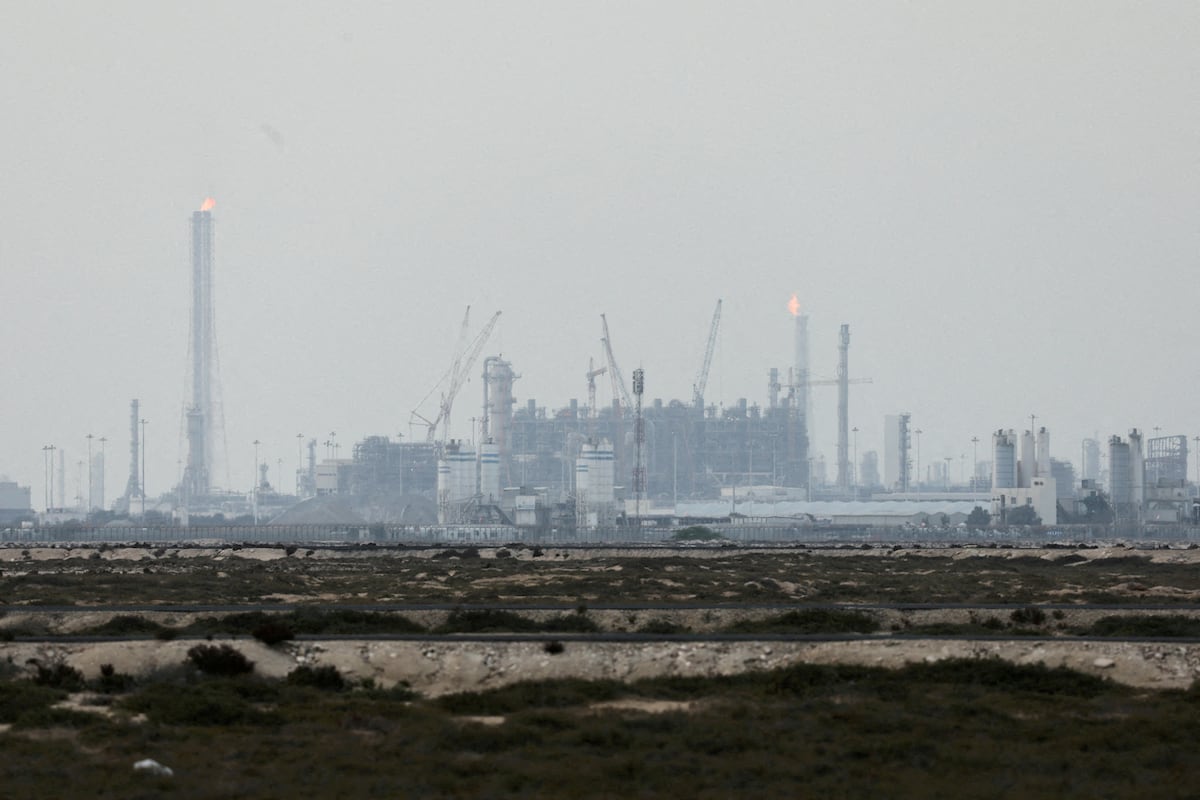
"The price of Brent crude has climbed 51%, while TTF for natural gas futures has surged 98%, reflecting the direct impact of geopolitical escalation on prices and trade flows."
"Approximately 20% of the world's natural gas supply passed through the Strait of Hormuz, with 93% of Qatar's LNG exports and 96% of the UAE's LNG exports transiting this route."
"Warren Patterson warns of the difficulty in offsetting natural gas supply from Gulf countries, as U.S. production increases will not meet the current demand affected by the conflict."
Brent crude prices have risen 51% and natural gas prices surged 98% due to U.S. and Israeli attacks on Iran. The bombing of South Pars and retaliatory strikes on energy infrastructure in the region have exacerbated the situation. Approximately 20% of the world's natural gas supply passes through the Strait of Hormuz, with no alternative routes available. The U.S. aims to increase production capacity, but it remains insufficient to offset the current supply disruptions. Reducing demand is the only short-term solution for the gas markets.
Read at english.elpais.com
Unable to calculate read time
Collection
[
|
...
]