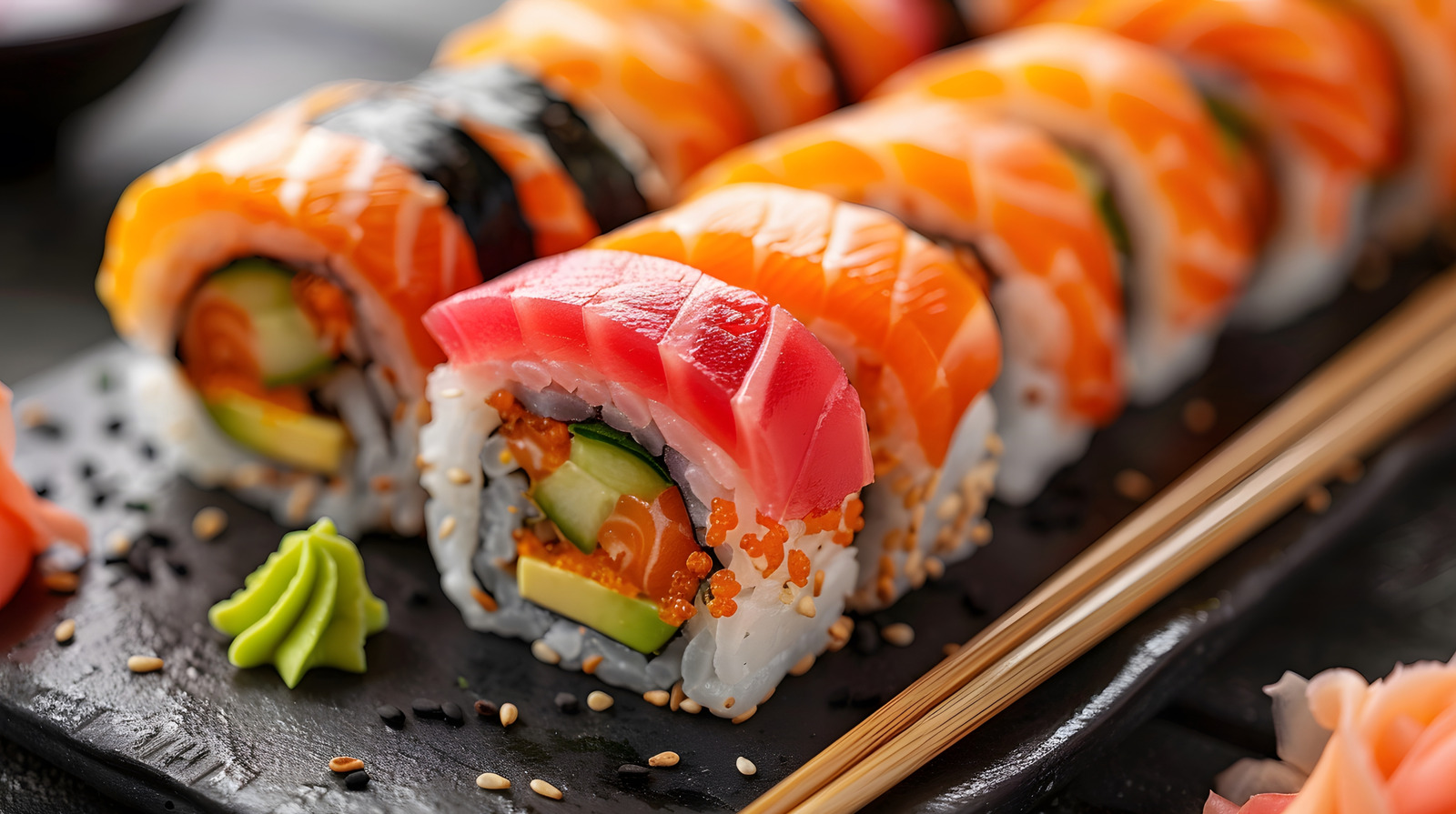
"Akar Win, head sushi chef at the West Hollywood location of the Uchi group, told Tasting Table that one of the most important things to note is if the menu lacks sourcing information. "A green light is if a menu contains the origin of the fish or where they were sourced, which shows that the chefs care about quality," Win said."
"Win says that a sushi restaurant menu should include sourcing information, whether it's in the description of each nigiri or sushi roll, or at the bottom of the page. You should see details like Alaskan snow crab as an ingredient or the origin of any wild-caught fish, so you can be better informed about the seafood you're about to order."
"The importance of seafood sourcing cannot be understated. There are plenty of economic, ethical, and environmental reasons to choose seafood for which we know the origin. Knowing where seafood comes from helps us avoid fish fraud, a practice that is sadly becoming more common these days in which fish of lesser quality are sold or served as something different. For instance, avoid ordering sushi presented as white tuna unless you have certainty of what you're being served."
Sushi menus should list the origin of fish and shellfish to indicate quality and responsible sourcing. Known sourcing allows diners to verify freshness, species identity, and sustainability credentials such as regulated or certified fisheries and farms. Clear sourcing reduces the risk of fish fraud, where lower-quality or misidentified species are sold as premium items, including ambiguous labels like 'white tuna.' Menu sourcing details can appear beside each nigiri or roll, or in a footnote, and should name specific items like Alaskan snow crab or note wild-caught origins. Lack of sourcing is a red flag for quality, safety, and ethical concerns.
Read at Tasting Table
Unable to calculate read time
Collection
[
|
...
]