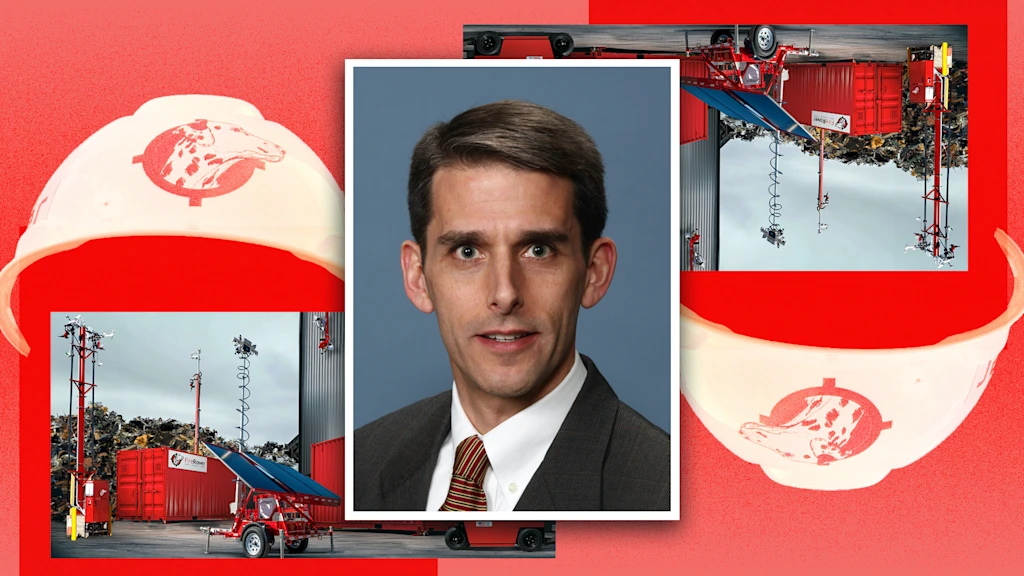
"Typically, we'll be applying suppression five minutes before something like a traditional sprinkler head would pop, because it takes some time for the heat to accumulate at that sprinkler head. Because we're highly concentrated, we're able to use about 88% less water, typically, to put this fire out-which means they can get back to work quicker, with less cleanup, less damage from the fire, and less damage from water."
"The company's firefighting tech can be broken down into two parts: detection (which involves using thermal cameras, light sensors, and smoke-detecting computer vision software to notice an industrial fire early) and suppression (remote operators reviewing the situation and releasing a targeted suppression stream as needed)."
Fire Rover, a Farmington Hills, Michigan-based technology company, specializes in rapid detection and suppression of industrial fires. The company has achieved five consecutive years on the Inc. 5000 list. CEO Will Schmidt joined Fire Rover in fall 2019 following the passing of founder Brad Gladstone, transitioning from his banking background to lead the company through its growth phase. Fire Rover's technology combines two core functions: detection using thermal cameras, light sensors, and smoke-detecting computer vision software, and suppression through remote operators who deploy targeted suppression streams. The system activates approximately five minutes before traditional sprinkler systems, uses 88% less water than conventional methods, and enables faster facility recovery with minimal fire and water damage.
#industrial-fire-detection #fire-suppression-technology #computer-vision #water-conservation #emergency-response
Read at Fast Company
Unable to calculate read time
Collection
[
|
...
]