"The transitions are subtle, but legible. These interiors are expected to accommodate constant change, withstand intensive use, and respond to environmental pressures by reducing waste."
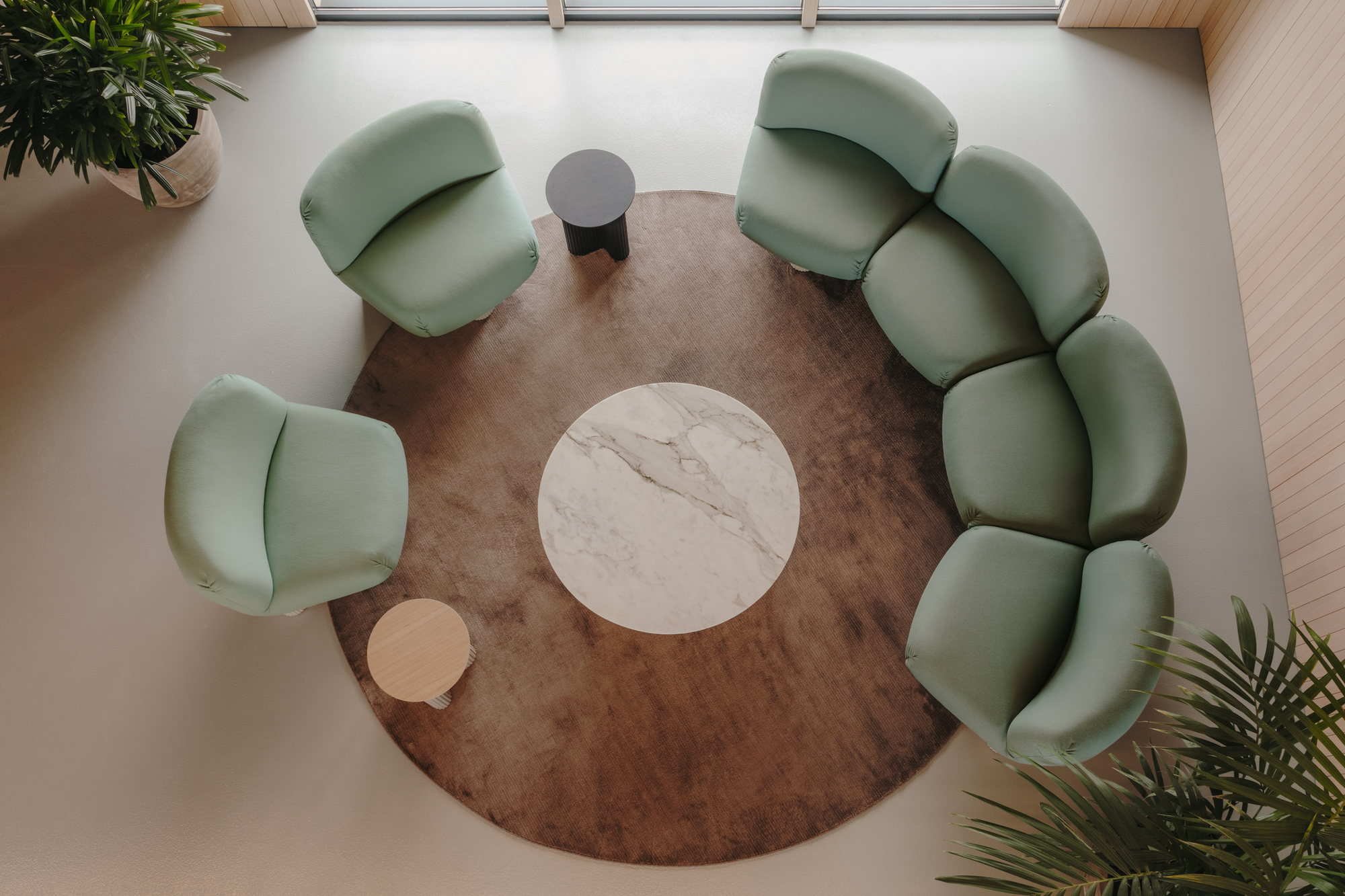
"Seating, in particular, has taken on a more active role in shaping these interiors, beginning to carry part of the design narrative. Arranged in clusters, lines, or organic curves, furniture structures space from within."
"Material and color become key tools in this process, shaping how space is perceived, structured, and used over time. This is already evident in seating systems developed by Andreu World."
Open spaces like hotel lobbies and workplaces lack clear boundaries yet feel organized through subtle transitions. Furniture placement, color, and material play crucial roles in defining these spaces. Seating arrangements create neighborhoods without enclosing them, emphasizing the importance of material choice for durability and spatial logic. Innovative materials like BIO® thermopolymer enhance performance and sustainability in dynamic interiors. This approach integrates biomaterial research with industrial production, addressing the need for adaptable and long-lasting design solutions in contemporary environments.
Read at ArchDaily
Unable to calculate read time
Collection
[
|
...
]