Demand for lithium is fueling a modern-day gold rush. The industries that define our modern world, like artifiial intelligence (AI), robotics, EVs, and energy, all depend on lithium, which is used to make batteries and other energy storage systems. Microsoft CEO, Satya Nadella believes that the AI race will be won based on energy costs, not on who has the best models.That's why lithium demand is projected to grow a staggering 5X by 2040.
Silicon Valley's most prominent startup incubator will allow its spring cohort of entrepreneurs to receive their funding in stablecoins. YCombinator, whose alumni include the founders of Airbnb and DoorDash, announced on Tuesday that founders can opt to receive their customary allotment-typically around $500,000-in the Circle-issued USDC. Startups founders who choose stablecoins can choose to receive the tokens on various blockchains such as Ethereum and Solana, Nemil Dalal, a visiting partner at Y Combinator who focuses on crypto, told Fortune.
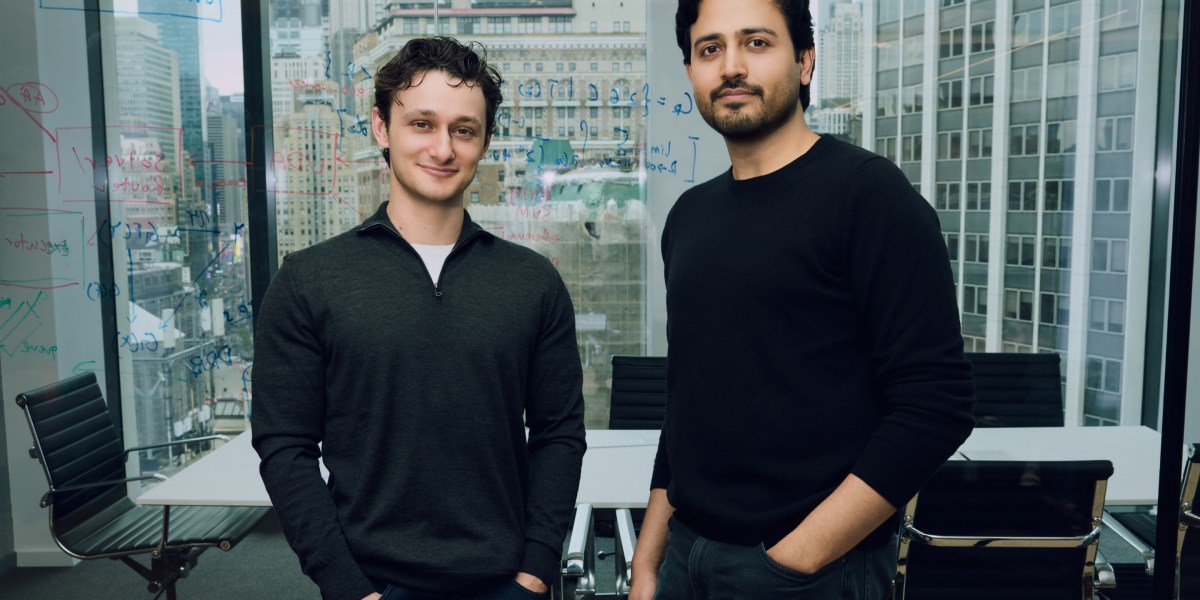
Allen Wang and Eric Liu, two UC Berkeley dropouts, think they can help college students find love using AI. Their dating startup, Ditto, leverages AI to match people based on the data users input into the service. It then plans the date for them. "We're bringing people back to in-real-life interactions," Wang, 23, told Business Insider. After users make a profile, they directly message Ditto's AI chatbot via text- no app required - about their type and dating preferences. On Wednesdays, users get a text about a potential match. After each date, Ditto follows up for feedback and uses that information as additional data for future matches.
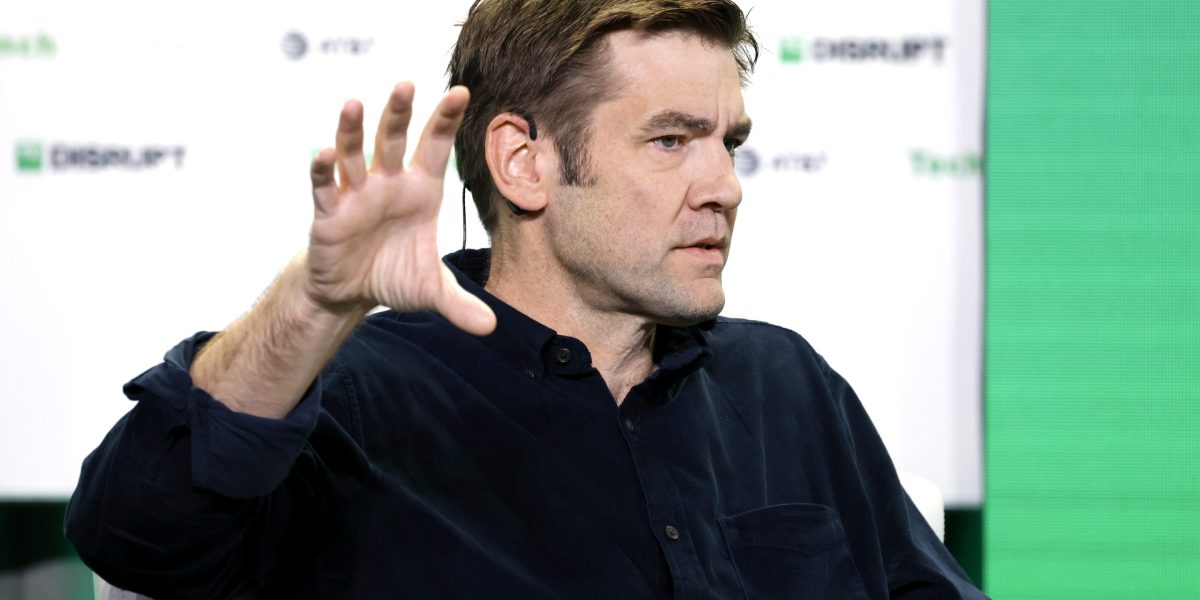
Each year, TechCrunch hand-selects 200 companies to gain unmatched exposure, credibility, and opportunities to scale faster than they ever imagined: Free exhibit space at TechCrunch Disrupt for all three days Exclusive access to masterclasses and curated networking Direct exposure to top-tier press and investors
Fusion power promises to supply the world with large amounts of clean heat and electricity, if researchers and engineers can solve some vexing challenges. At its core, fusion power seeks to harness the power of the Sun. To do that, fusion startups must figure out how to heat and compress plasma for long enough that atoms inside the mix fuse, releasing energy in the process.
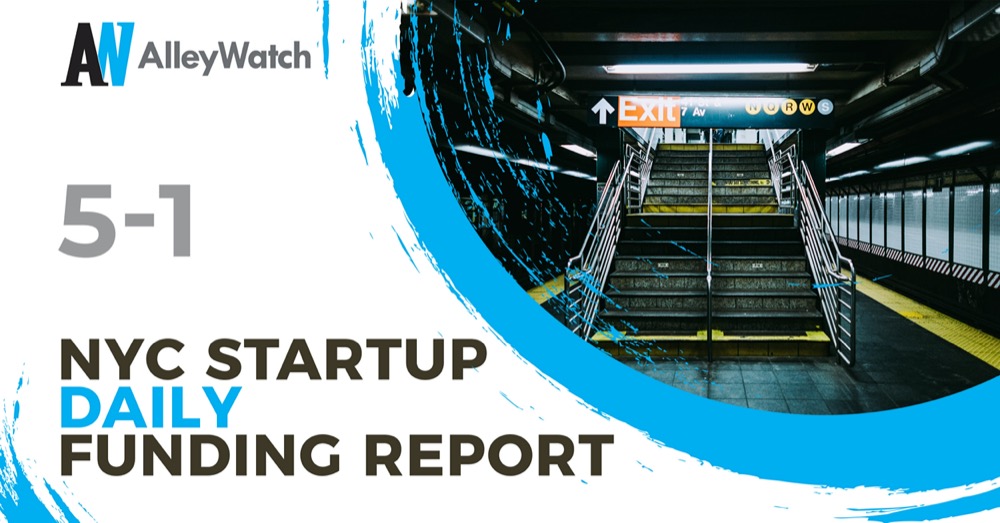
Looking at the largest NYC startup funding rounds from January 2026, leveraging data from CrunchBase, we've analyzed the most significant venture capital deals that kicked off the new year in New York's tech ecosystem. This month's analysis provides comprehensive insights into each company's industry focus, founding team, business model, investor relationships, and total funding history, offering deeper context about the NYC-based ventures that attracted the largest investments as we enter 2026.
Asset prices are in freefall, key legislation hangs by a thread, and members of Crypto Twitter fret it's their turn to learn what it's like to "have fun staying poor." One company, though, is sitting pretty amid all this. That would be Tether, which last week reported $10 billion in profits for 2025, and has amassed so much gold it's now storing bars of the stuff in Swiss bunkers from World War II.
But after decades of outsourcing tungsten production, the federal government has now begun restricting imports. United States Tungsten founders Stacy Hastie and Randy Waterfield saw this coming. They're reviving what was once America's largest tungsten mine, the Tungsten Queen. It's a site holding an estimated 1 million tons of tungsten with an in-ground value approaching $450 million, the company says. And it says it is already in talks with the U.S. Government.
BlockDAG has drawn major attention in the crypto space for creating one of the largest price gaps in recent presales. The project is offering its final 800 million BDAG tokens at 0.0005, while the confirmed exchange benchmark remains near 0.05. This creates a 100x multiplier opportunity for participants who enter during the few hours remaining before the presale closes. The calculation is simple.
Worried that AI will take your job? Marc Andreessen isn't. The venture capitalist and cofounder of Andreessen Horowitz says the loudest fear around artificial intelligence - that it will wipe out jobs - is aimed at the wrong problem.
The deal was announced during Keir Starmer's official visit to China, with Octopus founder and chief executive Greg Jackson joining the UK business delegation in Beijing. The new venture, called Bitong Energy, will combine PCG Power's position as one of China's fastest-growing investors and solutions providers in the commercial and industrial renewable energy sector with Octopus' proprietary software and expertise in green energy trading and optimisation.
Joby Aviation ( ) leads in developing electric vertical takeoff and landing (eVTOL) aircraft for urban air mobility. The company is advancing toward commercial operations in 2026, with plans to carry its first passengers in Dubai and participate in the FAA's eVTOL Integration Pilot Program to test use cases nationwide. Joby has completed three of five FAA certification stages and expects to begin passenger flights in early 2026, partnering with Delta Air Lines ( ) for routes in New York and Los Angeles.
Expanding your startup into Africa is one of the most ambitious and potentially rewarding moves you can make as a founder. With a rapidly digitalising economy and a booming young population, the continent offers a growth trajectory that is hard to find elsewhere. However, as you begin to scale, you will quickly realise that the financial landscape is not a monolith. Navigating 54 different countries means managing dozens of volatile currencies and banking systems.
While Bitcoin treads water to start 2026, sentiment for other niches in crypto has soured even more-especially DePIN, or decentralized physical infrastructure. Tokens for the decentralized cellphone service Helium and the decentralized mapping network Hivemapper, for example, are near all-time lows. Still, some investors remain bullish on the concept, including the upstart venture firm Escape Velocity, which has raised $61.74 million for a second fund to back founders in DePIN and crypto more broadly.
ByteDance, TikTok's Chinese parent company, recently established a separate American entity to run the app's U.S. operations. This restructuring aims to separate U.S. TikTok from its Chinese parent, addressing concerns about data privacy and foreign control. The move came after years of pressure from lawmakers, who feared the Chinese government's potential access to Americans' data. In 2024, Congress enacted a law, mandating that TikTok's U.S. operations be separated from ByteDance.
HighPost Capital, a private equity firm co-founded by Jeff Bezos's half-brother Mark Bezos, has invested £7.3 million (US$9.9 million) in UK-based chain WatchHouse as the company prepares for U.S. expansion. According to initial reporting from The Times of London, the $9.9 million is part of a Series B round worth $14.8 million. HighPost Capital, which is based in the U.S., said it led the round in December 2025.
SpaceX is the most anticipated market debut of the decade, and space ETFs like the , and will be the biggest beneficiaries. It is targeting a mid-to-late 2026 IPO that could value the company at $1.5 trillion. It would nearly double its current $800 billion private valuation and raise over $30 billion in fresh capital. The market is under-appreciating how big the space industry can be, especially if SpaceX's IPO sets a new benchmark for space stocks to be valued against.
Founded in 2021 and based in Boston and Tel Aviv, Memcyco has built an agentless platform that proactively prevents brand impersonation and account takeover (ATO) attacks. Amid an increase in ATO attacks and AI-driven deception such as phishing, Memcyco aims to improve protections by infiltrating the attack timeline as it unfolds. It relies on covert, agentless anti-impersonation technology that provides organizations with visibility into both victim and attack behavior, to stop attacks before credential theft or fraud.
The lack of appetite for UK smaller companies and an "on-again, off-again" approach to tax reform has been a toxic combination for AIM. Hargeave Hale, like most AIM VCTs, hasn't escaped the damage, losing investors 39.5% over five years. The big question for VCT investors though is not what's gone before, but what the future holds. The decline in AIM valuations has left the VCT with an exceptionally well diversified, and by VCT standards remarkably low risk, portfolio.
Twenty years ago, as the top digital and innovation executive for Citi's credit card business, I led the team that spent months building what looked like a brilliant partnership. We'd found a startup with a disruptive payments platform-one that became the forerunner of what has become a new payment type used by millions of consumers today. The deal: strategic investment in exchange for access to the startup's codebase as a sandbox for innovation pilots. No more waiting in the legacy systems queue. Just rapid prototyping with leading-edge developers.
BGF has reported a strong year of investment and exit activity in 2025, underpinned by landmark portfolio realisations, robust trading performance and continued backing for founders across the UK and Ireland. The growth capital investor returned more than £600 million during the year, delivering a money multiple of over 2x, and paid a £75 million dividend to shareholders. The performance was driven by a series of high-profile exits, led by the sale of OrganOx, which generated BGF's largest-ever return.