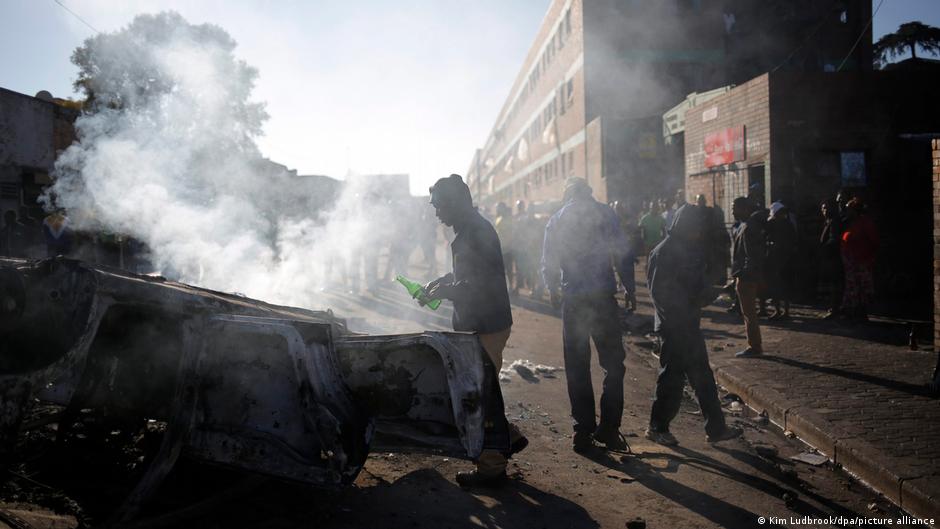
"After the end of apartheid in 1994, South Africa became a major destination for migrants seeking work and stability. Many arrived from neighboring countries that faced economic collapse, conflict or political repression. At the same time, South Africa struggled with soaring unemployment, inequality and increasingly poor services while the government's focus was largely on nation-building during this fresh chapter."
"A 2021 World Bank study found that the richest 10% of South Africans predominantly white still own more than 85% of the country's wealth. Attacks on migrants in townships started becoming more prevalent during the late 1990s and early 2000s. Foreign shop owners were accused of 'stealing jobs' or undercutting local businesses, especially in the informal economy."
"In May 2008, xenophobic violence erupted in the Alexandra township near Johannesburg before spreading across the country. According to the UN refugee agency UNHCR, at least 62 people were killed, more than 670 injured and over 100,000 displaced during the attacks."
South Africa has faced repeated outbreaks of xenophobic violence targeting African migrants and refugees for more than twenty years. Political rhetoric combined with deep economic frustration has fueled hostility toward foreigners, resulting in beatings, displacement, killings, and looting of businesses. After apartheid ended in 1994, South Africa became a migration destination for people fleeing economic collapse and conflict. However, the country struggled with unemployment, inequality, and poor services while wealth remained concentrated among the white minority. A 2021 World Bank study showed the richest 10% of South Africans own over 85% of national wealth. Attacks on migrants intensified in the late 1990s and early 2000s, with foreign shop owners accused of stealing jobs. In May 2008, major xenophobic violence erupted in Alexandra township near Johannesburg, spreading nationwide and killing at least 62 people.
Read at www.dw.com
Unable to calculate read time
Collection
[
|
...
]