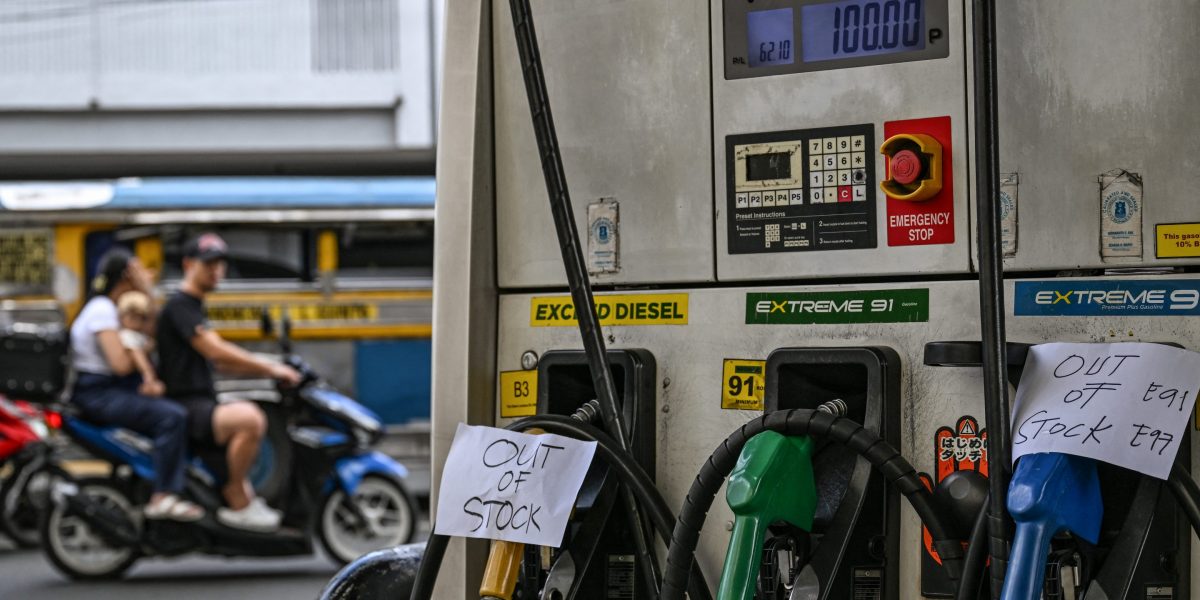
"Asia is at the heart of this drama, in that it is the chief area...of collateral damage. The Iran war threatens to become an inflationary shock targeted at the world's growth engine."
"Coming into the current crisis with Iran...it was pretty obvious, whether Japan, whether Europe, whether the United States, whether the UK, that we were very much in an inflationary boom."
"Roughly 84% of crude that transits Hormuz goes to Asia, while the U.S. now imports little through the strait. That asymmetry shows up in prices."
"Natural gas has also been hit. Iran has struck key infrastructure in Qatar, which accounts for roughly 20% of global liquefied natural gas supply."
The Iran war has led to the closure of the Strait of Hormuz, disrupting oil and gas shipments from major exporters like Qatar and Saudi Arabia. This situation poses a significant threat to Asia, which heavily relies on imported energy. The conflict is expected to create an inflationary shock, complicating fiscal and monetary responses that have previously been effective. The energy supply shock could lead to stagflation, with crude prices soaring and natural gas supplies also impacted by Iranian strikes on key infrastructure.
Read at Fortune
Unable to calculate read time
Collection
[
|
...
]