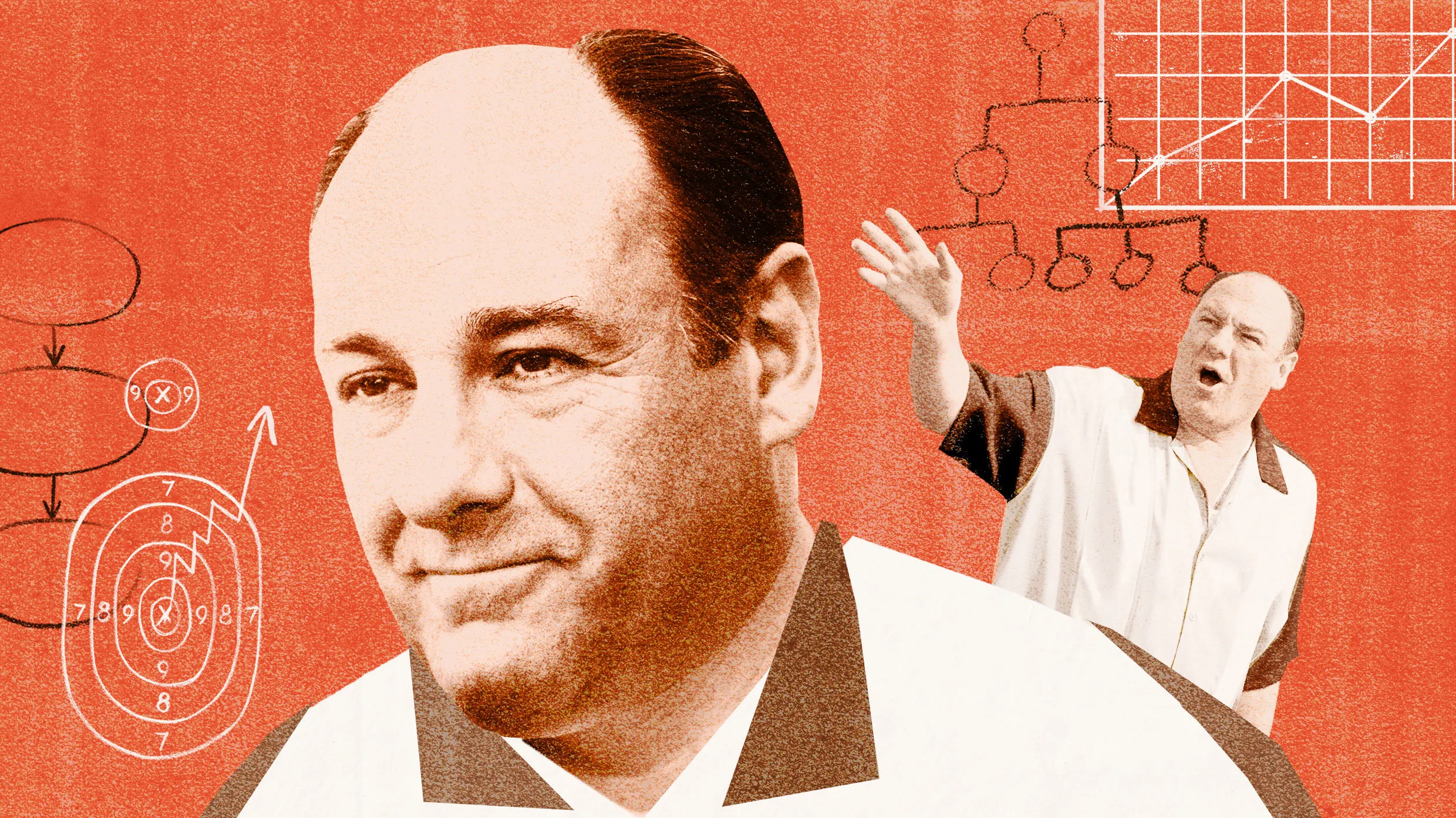
"Tony Soprano was a master of coercion. Through violence, extortion, and bribery, he rose to the top of his industry, crushing competitors and delivering strong margins, despite some unfortunate employee turnover along the way."
"Being in a position of responsibility means you have to make decisions without all the facts, in a rapidly changing context. You do so in the full knowledge that if you're wrong, you will bear the blame and no one else will."
"Good leaders learn to square that circle. We want to be thoughtful managers, to motivate our teams, and to be effective collaborators. But we also want—and need—people to do what we want."
Tony Soprano exemplified a leadership style rooted in coercion, using violence and extortion to succeed. However, he began to consider a more collaborative approach, prompted by his psychiatrist. This dilemma reflects a common challenge for leaders: the need to motivate teams while ensuring compliance. Strong leaders must navigate decision-making in uncertain environments, often without complete information, and bear the consequences of their choices. The balance between authority and collaboration is crucial for effective leadership.
Read at Fast Company
Unable to calculate read time
Collection
[
|
...
]