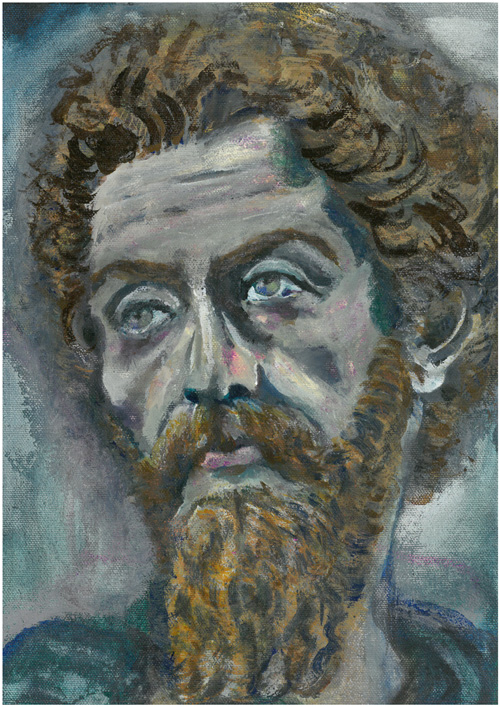
"I had lived loud, fought my way up in a man's trade, and led with an ego. I was impulsive, bordering on careless. I was a mess of volatile emotions. But for all the time I spent working my body into shape and making it attractive, I didn't have a lot left over to work on my interior self. I was entitled and wore a chip on my shoulder with pride. Losing my able body meant letting go of everything that had defined me."
"Iron Girl: Tomboy, Tradeswoman, Tetraplegic (2020) was a book that allowed me to lose myself in the past, wrap it around me like a warm blanket. The project also challenged me to consider what was left. I couldn't give my readers nothing. But I was exhausted too. The challenges of complete quadriplegia kept coming: compromised care, secondary health complications."
"Later, you'll write books about this," my thirteen year old daughter assured me. She was always wise beyond her years, so I had to trust her that I would survive, maybe even write somehow. But would mine be a story worth telling? My tale was a tragedy, a life upended, a career cut short, a vertebrae crushed. What was left but a ghost in a shell, a crashed SUV, the four walls of a room? I was thirty-two when I broke my neck."
A woman sustained a broken neck at thirty-two, becoming tetraplegic and losing the physical identity forged through a trades career and athletic conditioning. She had been loud, impulsive, and driven by ego, with little focus on inner development. Five years after the injury she published Iron Girl: Tomboy, Tradeswoman, Tetraplegic (2020), using narration to revisit the past while confronting present limits. Ongoing realities of complete quadriplegia included compromised care, secondary health complications, strained family relationships due to caregiving roles, institutionalization, inaccessibility, and ableism. Gradual adoption of Stoic philosophy reshaped outlooks, fostering acceptance and a different approach to life.
Read at Philosophynow
Unable to calculate read time
Collection
[
|
...
]