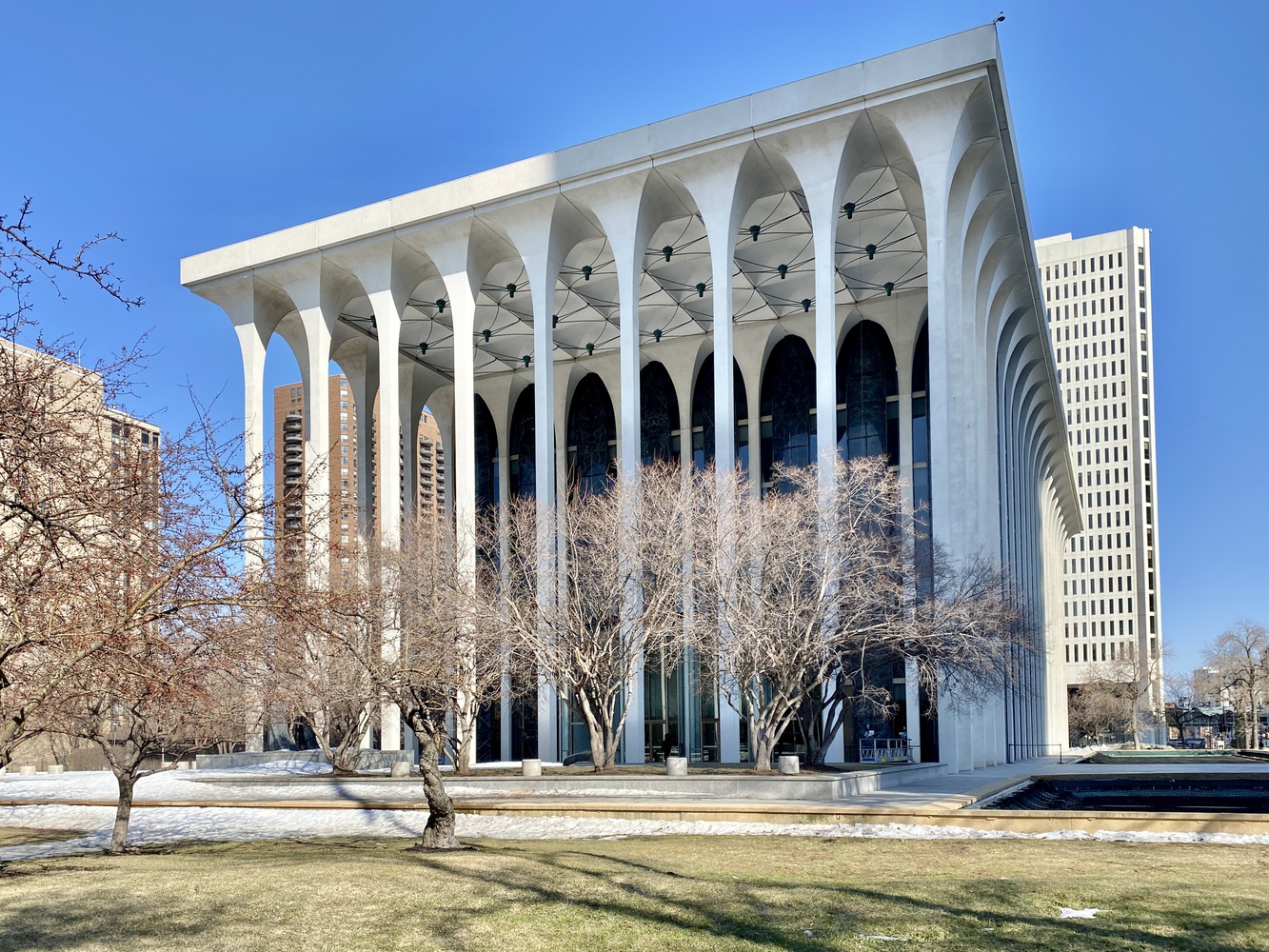
"Modernism was adopted across the world by countries recovering from the Second World War and overcoming the legacy of colonialism. It became the language of reconstruction and of nation-building, reinforced by its rejection of the past."
"As buildings progressively become obsolete or reach the end of their design lives, there is an appreciation of the heritage value of these structures, both as designed items and as symbols of the spirit of the age in which they were built."
"The Kagawa Prefectural Gymnasium, built between 1961 and 1964, is regarded as one of Japan's fine examples of brutalist structures and earned the nickname 'boat gymnasium' due to its elongated, curved structure."
Modernism in architecture began in the early 20th century, led by figures like Le Corbusier and Mies van der Rohe. It emphasized new materials like steel and concrete, allowing for innovative designs. By the mid-20th century, it became a global movement, particularly in post-war reconstruction and nation-building. Modernism's rejection of the past aligned with technological advancements and new building types. Today, as many modernist buildings face obsolescence, their heritage value is increasingly recognized, prompting adaptive reuse proposals for significant structures worldwide.
Read at ArchDaily
Unable to calculate read time
Collection
[
|
...
]