#adaptive-reuse
#adaptive-reuse
[ follow ]
#historic-preservation #sustainable-architecture #heritage-conservation #architecture #interior-design
#interior-design

Design
fromdesignboom | architecture & design magazine
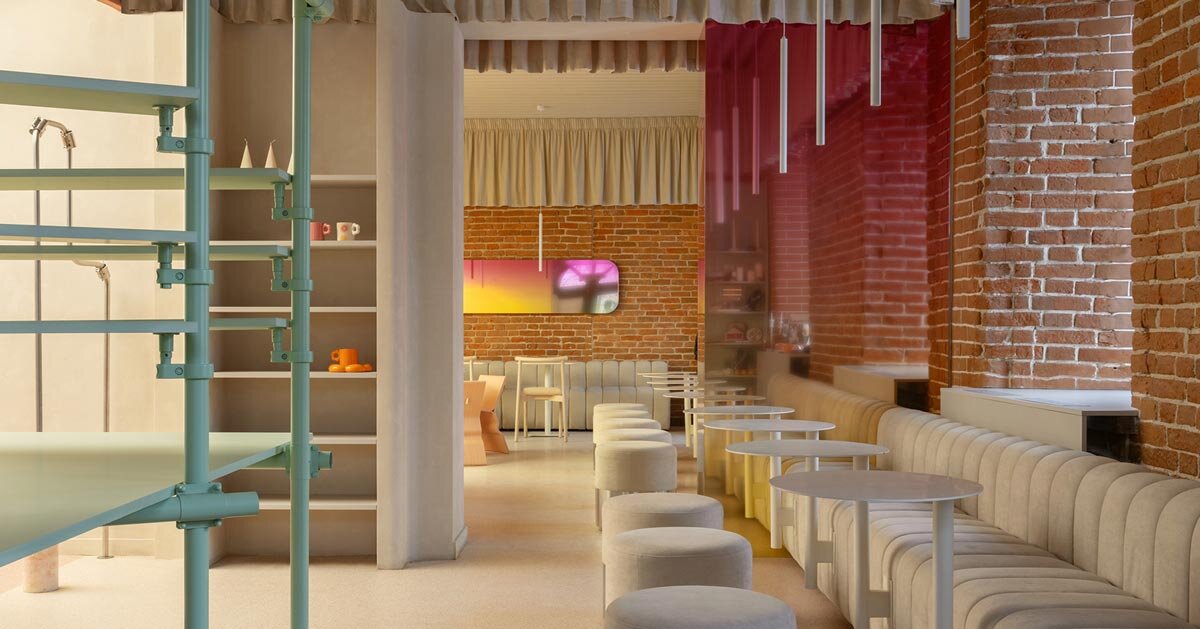
2 months agocurved pink interiors animate hybrid retail-cafe space within brick shell
Quadrum Studio converted a historic girls' gymnasium into a unified coffee shop and retail space using a monochromatic pink palette while preserving original brick architecture and employing an all-female design team.
Renovation
fromdesignboom | architecture & design magazine
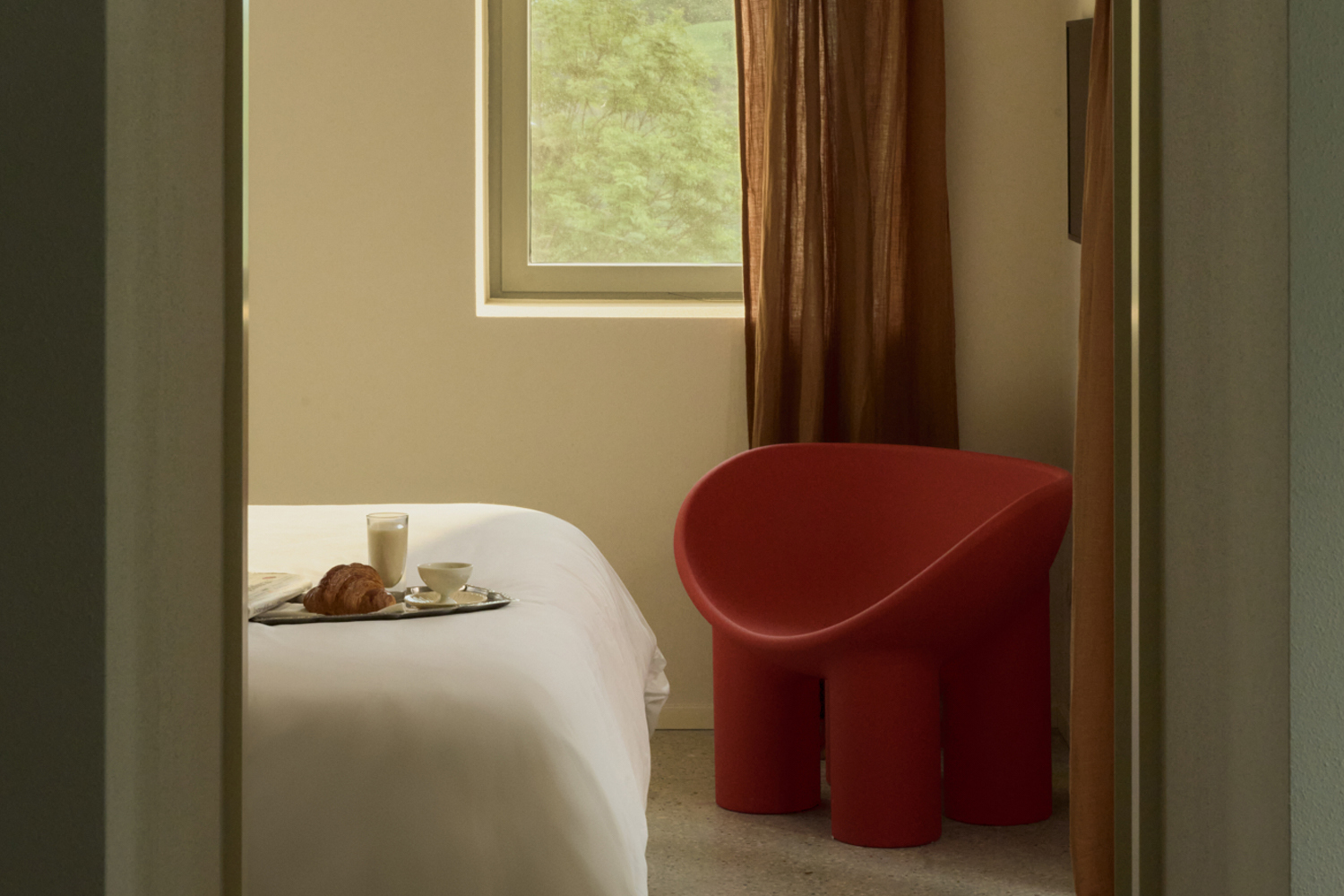
1 month agoexisting residential spaces reconfigure as a flexible community art network in china
Jiadu Art Center transforms residential spaces into a flexible community art hub using adaptable systems and light-touch design strategies within existing structures.
#historic-preservation


Renovation
fromdesignboom | architecture & design magazine
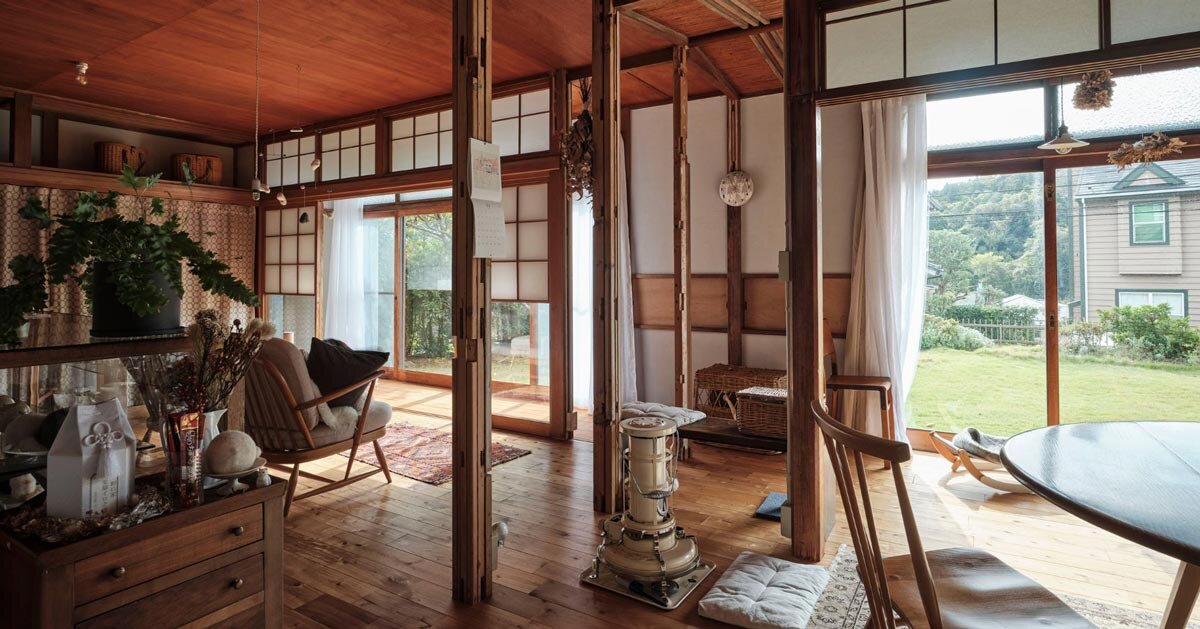
1 month agoYYAA rebuilds the eastern half of a prewar rowhouse in japan
YYAA renovated the eastern half of a pre-WWII Japanese rowhouse in Yagi-cho, preserving historic fabric while adapting it for contemporary use and addressing structural deterioration.

Renovation
fromdesignboom | architecture & design magazine
1 month agoYYAA rebuilds the eastern half of a prewar rowhouse in japan
YYAA renovated the eastern half of a pre-WWII Japanese rowhouse in Yagi-cho, preserving historic fabric while adapting it for contemporary use and addressing structural deterioration.
fromArchDaily
1 month agoLimbo Museum Reactivates Unfinished Spaces and Eden Project Morecambe Moves Forward: This Week's Review
As housing affordability continues to challenge cities worldwide, recent initiatives highlight the growing intersection between policy reform and architectural response. In Spain, grassroots movements in Granada and Málaga have mobilized against tourism-driven speculation, calling for rent control, the expropriation of vacant properties, and stronger tenant protections as housing prices continue to rise.
Renovation
fromwww.archdaily.com
1 month agoApartment Conversion into a Creative Studio / alchitekt
Located in a former apartment, this project transforms a residential interior into a flexible creative studio for architectural practice and hands-on artistic production. The renovation honors the building's past while introducing a new spatial framework.
Renovation
fromCurbed
1 month agoWho Will Buy Victoria MacKenzie-Childs's Boat?
Victoria and Richard bought the Yankee in 2001, not long after losing their namesake brand in bankruptcy proceedings. The couple needed studio space (they eventually started another company in 2004), but, apparently, Manhattan was largely out of reach on their budget. And so they looked to the "fringes" of the island, as MacKenzie-Childs put it in an interview last year.
NYC real estate
fromwww.archdaily.com
1 month agoRepeat Wellness Club / MEAN* (Middle East Architecture Network)
Occupying a former ground-floor commercial unit, the existing interior carried the accumulated traces of successive tenants, including uneven walls, residual structures, and fragmented layouts. Local planning regulations required the exterior facade to remain untouched, concentrating all architectural intervention within the historic envelope.
Renovation
Boston food
fromBoston.com
1 month agoIn a region desperate for fresh retail, Bow Market is 'a total unicorn situation.' Why?
Bow Market transformed a vacant garage into a thriving entrepreneurial hub with over two dozen vendors and minimal vacancy, demonstrating successful adaptive reuse of underutilized urban space.
fromArchDaily
1 month agoCarlo Ratti Associati Designs Buzzi Heritage Cultural Center in Italy With the New Digital Construction System
The project examines the integration of digital fabrication processes into reinforced concrete construction, highlighting that while materials such as steel and timber have undergone significant transformation through digital production methods, reinforced concrete has largely retained conventional casting techniques. The proposal aims to address this condition by incorporating digitally fabricated components into the construction system.
Renovation
#industrial-heritage
Design
fromdesignboom | architecture & design magazine
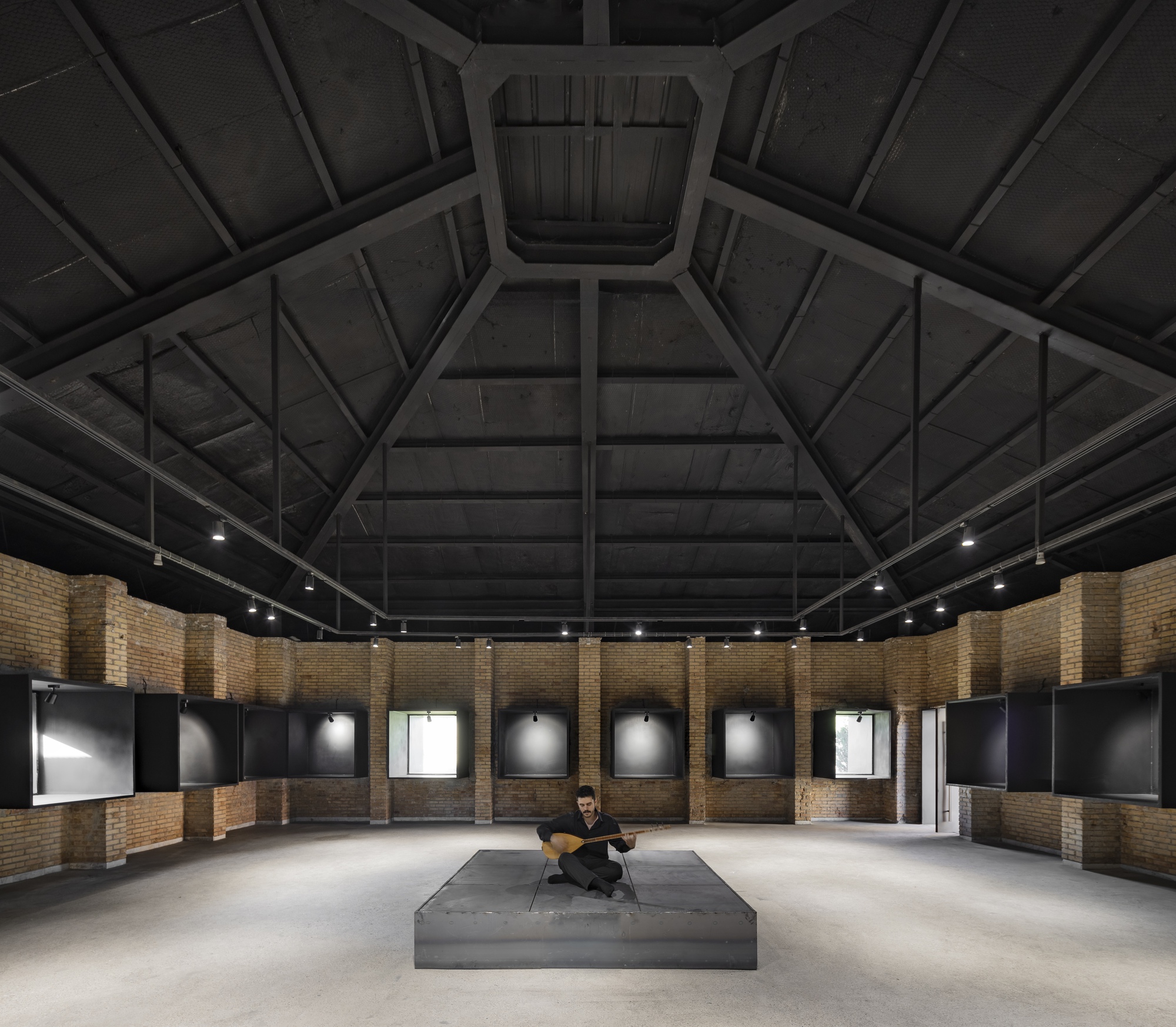
1 month agoopen-air museum revives an industrial past through reclaimed materials and sound
Echo of the Ruins transforms Zhuzhou's abandoned industrial zone into a sound museum using gabion walls filled with recycled factory debris, treating industrial silence as material rather than absence.
Design
fromdesignboom | architecture & design magazine
1 month agoopen-air museum revives an industrial past through reclaimed materials and sound
Echo of the Ruins transforms Zhuzhou's abandoned industrial zone into a sound museum using gabion walls filled with recycled factory debris, treating industrial silence as material rather than absence.
NYC real estate
fromtherealdeal.com
1 month agoTRD PolicyPro: Lawmakers target malls for housing, AI regulation advances
New legislation targets housing creation through adaptive reuse of vacant malls, offices, and parking lots, while separate bills address AI screening practices and co-op governance rules.
Renovation
fromdesignboom | architecture & design magazine
1 month agograss-covered seaside family home repurposes abandoned soviet military bunkers in latvia
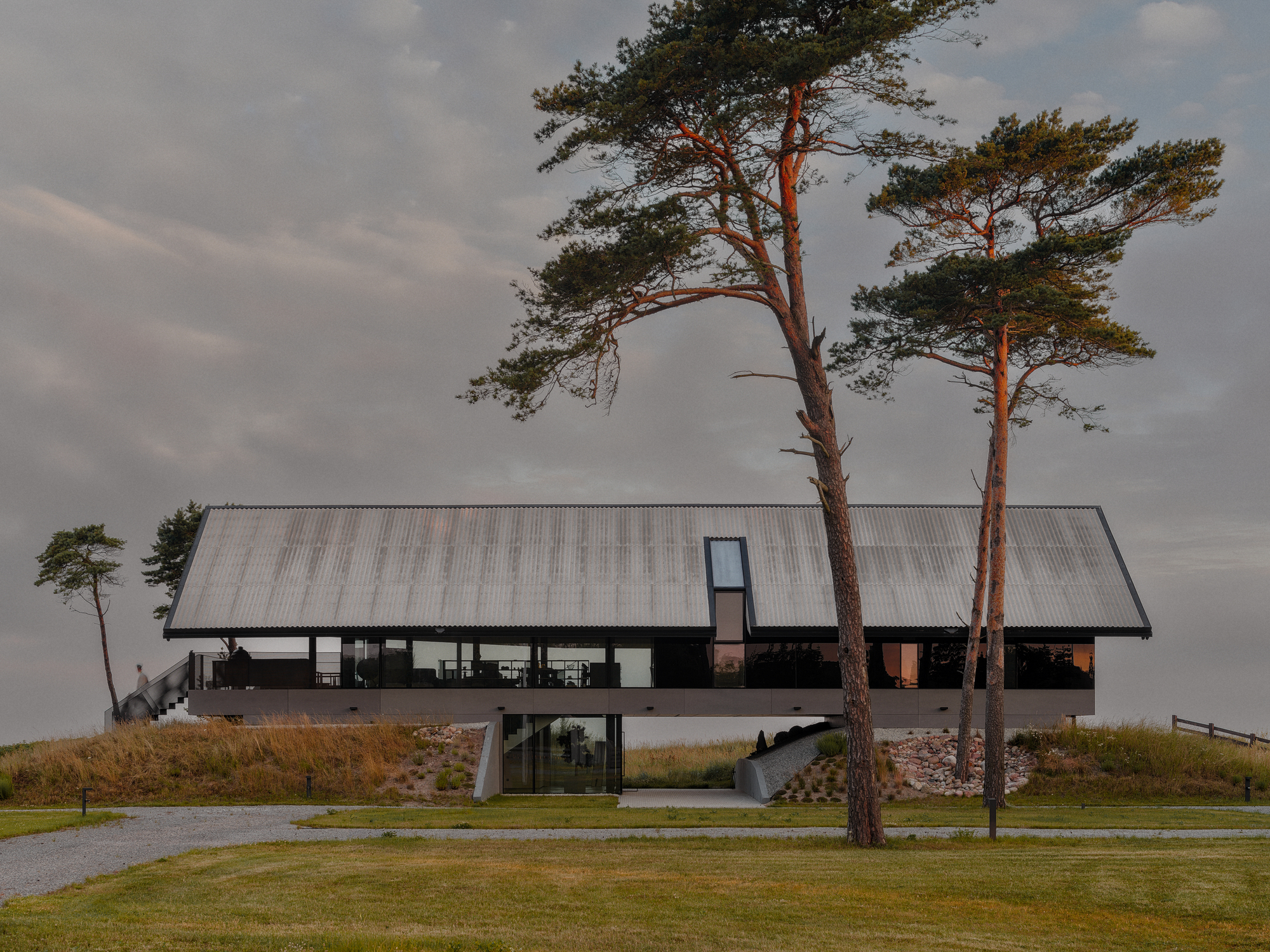
Open Architecture Design converts abandoned Soviet military bunkers into a contemporary seaside residential complex in Latvia, preserving existing structures while creating a main house and two guest houses.


fromArchDaily
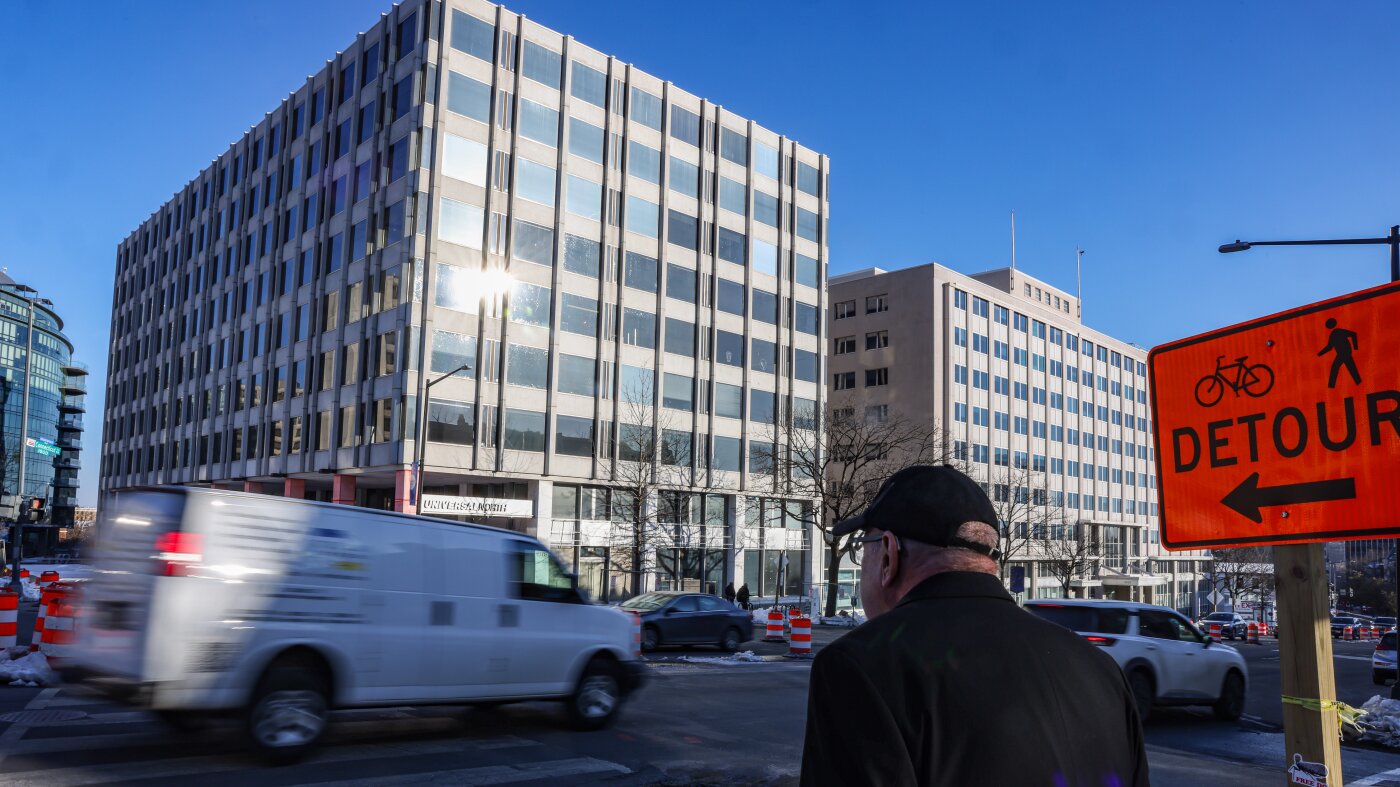
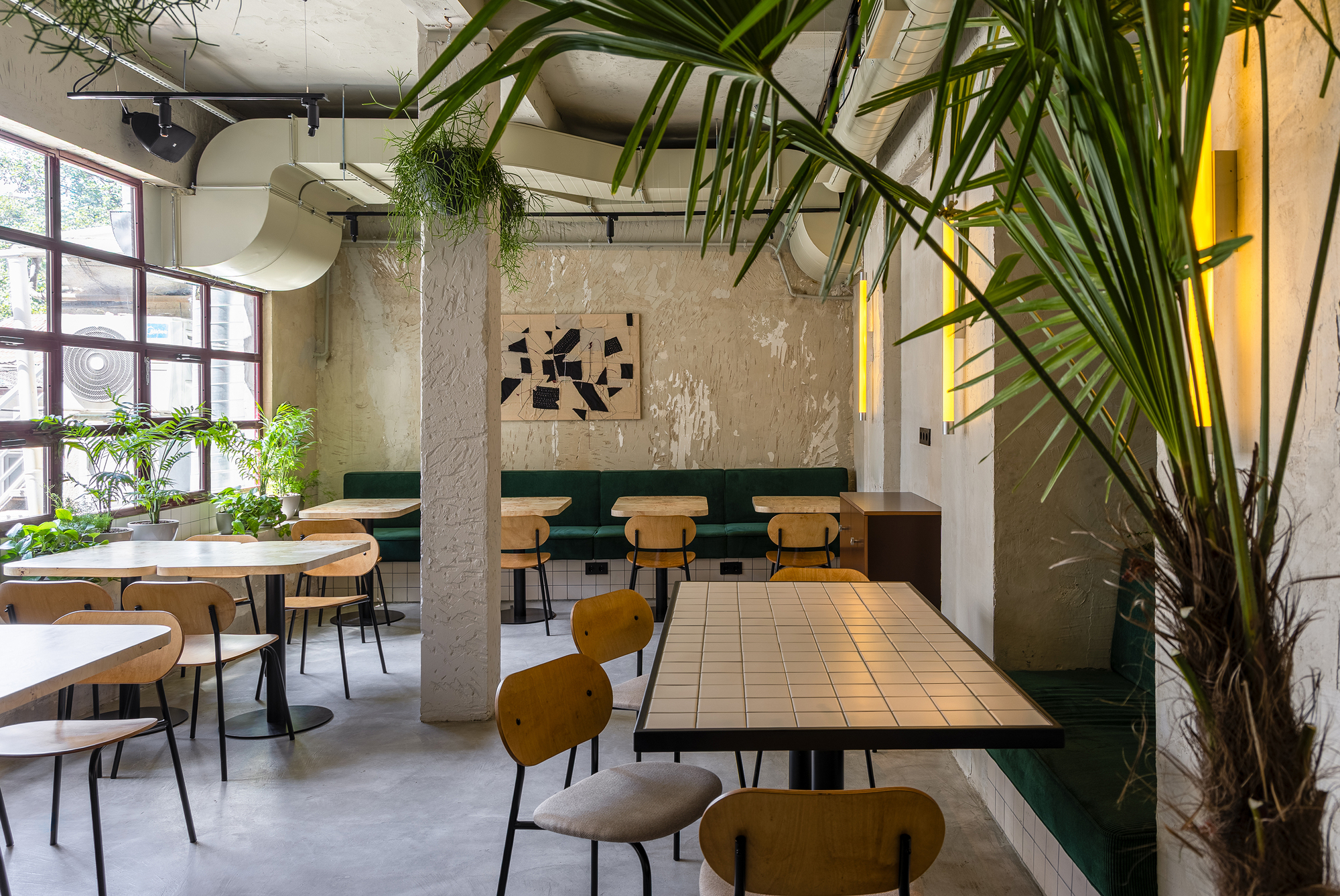
1 month agoModular Installation Reimagines Unfinished Structures at Limbo Museum in Accra, Ghana
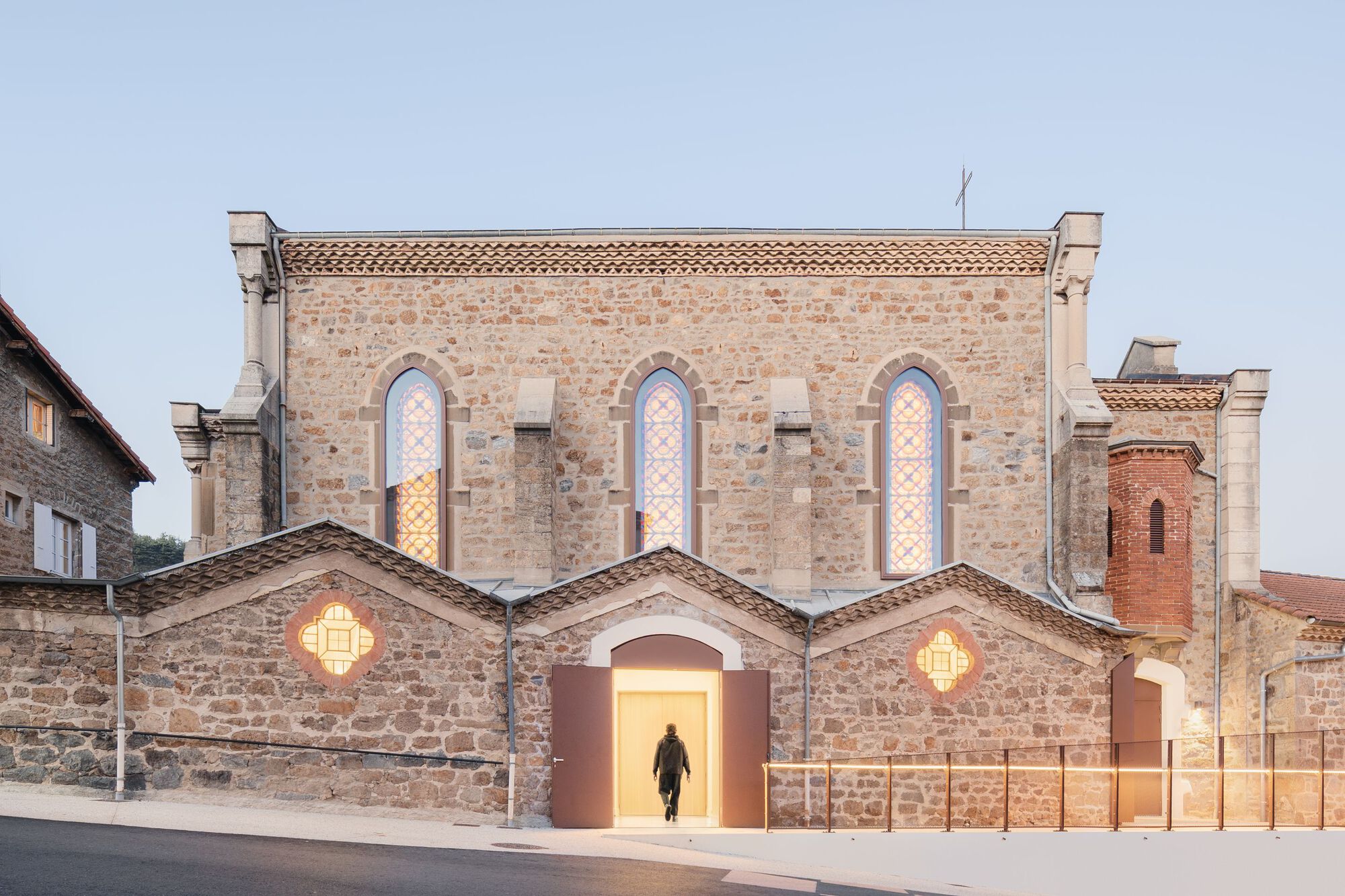
The modular, lightweight structure dialogues with the formerly abandoned Brutalist building housing the museum, transforming its skeletal concrete structure and its surrounding land into spaces for use, care, and encounter. The project reflects on the boundaries between unfinished urban architecture and the landscape, foregrounding the labor and stewardship often invisible in both urban and institutional contexts.
Arts
Renovation
fromdesignboom | architecture & design magazine
1 month agocentury-old courtyard villa in vietnam revives as matte teabar flagship
The Lab Saigon transformed a century-old French villa into a contemporary teabar by preserving historic architecture while introducing modern monolithic elements that create spatial contrast and functional organization.
Renovation
fromdesignboom | architecture & design magazine
1 month agoneiheiser argyros' london pavilion merges storage cabinet and garden canopy in one structure
A continuous cabinet extends from interior to exterior, unifying storage, display, and shelter while serving diverse functions from art collection to recreation.
Agriculture
fromYanko Design - Modern Industrial Design News
1 month agoThis Self-Sustaining Building in China Grows Food on Every Floor, And It Was Built On A Farmland Plot - Yanko Design
Wei Dou's Verdant Syndicate preserves agricultural identity on converted farmland through tenant-operated vertical farming integrated into a mixed-use building's structure and design.
LA real estate
fromLos Angeles Times
32 years agoCOLUMN ONE : New Lives for Aging Beauties? : Elegant buildings that once housed landmark department stores often face uncertain fates. Despite efforts to preserve their soul, some end up as office complexes or forlorn hulks.
Bullocks Wilshire, a 1929 Art Deco landmark, faces uncertain future as retail consolidations leave grand department stores abandoned across the nation, though preservation efforts seek new uses for these architectural treasures.
#real-estate-conversion
Renovation
fromCurbed
2 months agoA Space to Gather (and Work) Above the Supreme Store
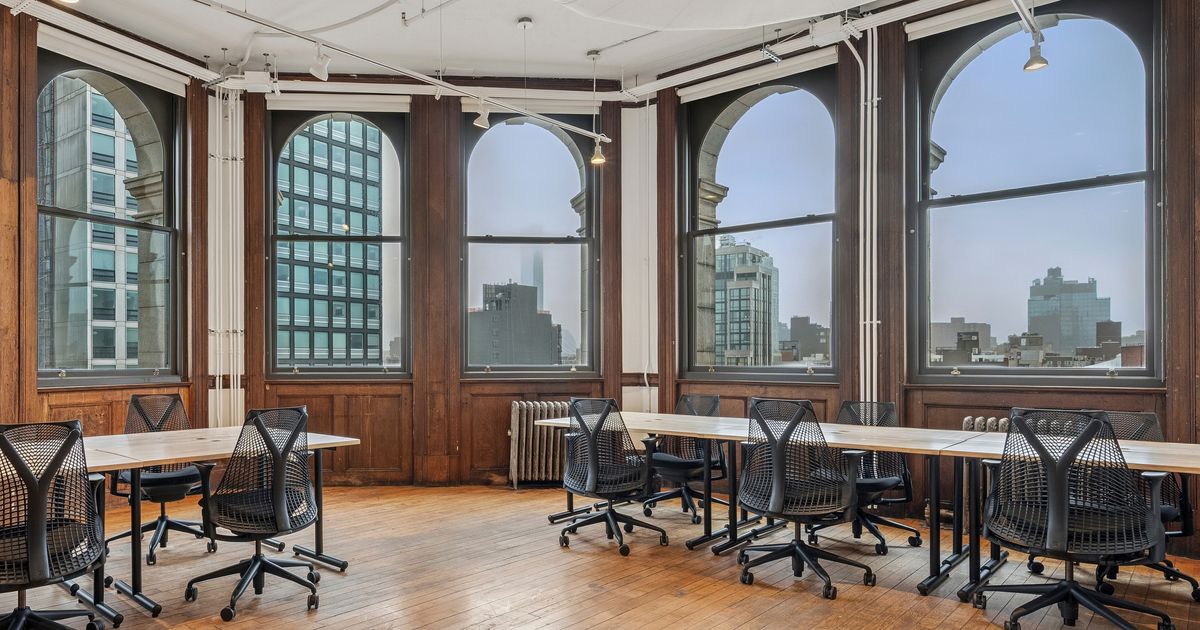
The historic Germania Bank building on Bowery and Spring, after decades of varied uses including artist Jay Maisel's sprawling live-work space, has been converted into co-working offices and flexible meeting spaces by Industrious.
Renovation
fromCurbed
2 months agoA Space to Gather (and Work) Above the Supreme Store
The historic Germania Bank building on Bowery and Spring, after decades of varied uses including artist Jay Maisel's sprawling live-work space, has been converted into co-working offices and flexible meeting spaces by Industrious.
Environment
fromArchDaily
2 months agoSCAPE and BIG Unveil Final Plans for Manresa Wilds on Former Power Plant Site in Norwalk, US
Manresa Wilds transforms a 125-acre polluted industrial peninsula into a publicly accessible coastal park with phased development beginning spring 2027, incorporating community feedback to prioritize natural habitat and reduce intensive programming.
fromdesignboom | architecture & design magazine
2 months agoexutoire shifts the core of 1990s tube house to form studio-home in hanoi
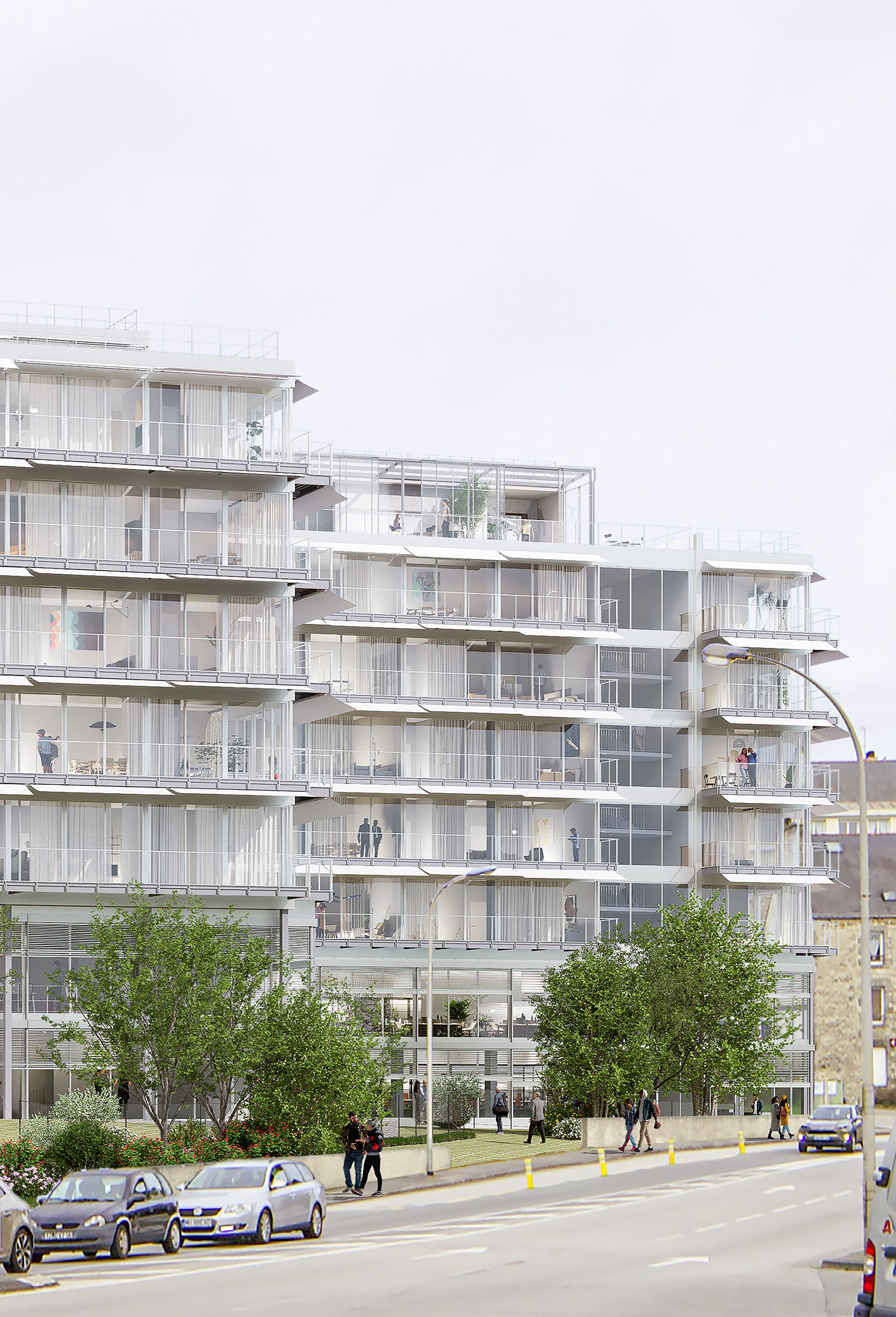
Emerging in large numbers during Vietnam's construction boom of the 1990s, tube houses are defined by their narrow plots and deep plans, often resulting in dim and stuffy interiors. Exutoire reorganizes the core of the building and relocates the staircase, previously positioned at the center and acting as a spatial barrier, to the back of the plot and removes transverse partitions to open up each level, allowing light and air to travel freely through the depth of the house.
Renovation
fromwww.archdaily.com
2 months agoExeter Road Pavilion / Neiheiser Argyros
The Exeter Road Pavilion is an adaptive reuse of a modest Victorian garden outbuilding in northwest London, redesigned for an art collector and amateur DJ who wanted a place equally suited to storing books, records, and artworks as to hosting garden gatherings, workouts, and the occasional ping-pong match. Our brief was twofold: create an interior cabinet for storage and an exterior canopy for shelter. From the outset, we saw these as a single architectural problem rather than two separate tasks.
Remodel
Remodel
fromdesignboom | architecture & design magazine
2 months agodongqi design wraps shanghai mixed-use complex in steel frames and shifting facades
Three Shanghai buildings were transformed into an interconnected mixed-use complex combining retail, exhibition, F&B, leisure and offices, unified by stainless-steel tubular systems and operable facades.
fromwww.archdaily.com
2 months agoSentier Offices / COVE Architectes + CALQ Architecture
Maxime Verret + 25 Office Lead Architects: Arthur Boustouller (CALQ Architecture), Axel Cornu, Gabriel Verret (COVE Architectes) Design Team: COVE Architectes, CALQ Architecture Architecture Offices: CALQ Architecture Interior Design: Ramy Fischler Studio Engineering & Consulting > Other: Mazet & Associes, Ceef BET Engineering & Consulting > Structural: Egitura Engineering & Consulting > Electrical: Pollen Engineering & Consulting > Environmental Sustainability: Citae
Renovation
fromwww.archdaily.com
2 months agoLakeshore Barn House / NORM Architects
Jonas Bjerre-Poulsen + 19 Category: Barn, Houses, Adaptive Reuse More SpecsLess Specs Jonas Bjerre-Poulsen Text description provided by the architects. Set close to a small harbour, Lakeshore Barn House is shaped by restraint and clarity, drawing from the familiar silhouette of rural barns to sit naturally within the small lakeside village. The simple cross- shaped layout establishes a central axis that opens uninterrupted views through the house in both directions, strengthening the connection between landscape and interior.
Remodel
Remodel
fromdesignboom | architecture & design magazine
2 months agotranslucent glass shingles wrap timber-framed museum intervention by wulf architekten
A contemporary timber museum completes a medieval Reutlingen street with a glowing cast-glass shingle facade, revealing historic timber frames as exhibited artifacts.
Environment
fromdesignboom | architecture & design magazine
2 months agoconcrete utopia transforms discarded construction pipes into playground in south korea
Discarded concrete pipes are repurposed into an adaptable public pavilion, demonstrating reuse to reduce material waste and rethink the environmental impact of concrete.
fromdesignboom | architecture & design magazine
2 months agok-studio expands its wine factory-turned-hotel 'dexamenes' along the coast of greece
The expansion of Dexamenes Seaside Hotel extends K-Studio's transformation of a former wine factory into a coastal retreat in Greece. When the hotel first opened in 2019 in the western Peloponnese (see designboom's coverage here), its identity was shaped by the adaptive reuse of concrete fermentation tanks set directly along the Ionian shore. The cylindrical structures, once vessels for wine production, were converted into Beachfront Wine Tank Suites.
Remodel
Arts
fromArchDaily
2 months agoLondon's Brutalist Heritage and Australia's New City: This Week's Review
Architecture increasingly emphasizes social responsibility, adaptive cultural projects, heritage protection, and large-scale urban planning aligning infrastructure, resilience, and long-term civic agendas.
fromArchDaily
2 months agoDispatched: Architecture of the American Post Office and the Privatization of Civic Space
Across towns and city centers, they carry the shifting architectural ambitions of the nineteenth and twentieth centuries, from Greek Revival formality to Beaux-Arts monumentality and Art Deco ornament. Architects and federal planners would give these buildings a clear public role and a powerful physical presence. Stone façades, monumental halls, and crafted interiors projected stability, trust, and permanence. The post office placed the federal government directly into the everyday landscape of American life.
Remodel
fromArchDaily
2 months agoBetween Materials and Memory: Three Madrid Architecture Practices on Heritage Rehabilitation
Ba-rro: "Our starting point is always the context and what already exists." We are interested in recognizing the value of things simply because they are there, without assuming that everything must be preserved as a matter of principle. The question isn't what can be kept, but what deserves to be kept in each specific project. The decision to preserve, reveal, or remove doesn't stem from universal values or a nostalgic impulse, but from a situated interpretation:
Renovation
fromArchDaily
2 months agoNaples Architecture City Guide: 15 Projects of History, Density, and Continuity
Set on the edge of the Mediterranean and shaped by centuries of continuous occupation, Naples is a city where architecture is inseparable from time. Layers of Greek foundations, Roman infrastructures, medieval churches, Baroque palaces, and Modern interventions coexist within a dense and compact urban fabric. Naples reveals itself as an accumulation of structures, adaptations, and reuse, where buildings are rarely isolated objects and more often part of a larger spatial, social, and historical system.
Miscellaneous
Remodel
fromdesignboom | architecture & design magazine
2 months agochildren can get lost in reading village full of colorful huts at transformed paris school library
A former storage room was transformed into a colorful, village-like immersive library with huts providing intimate reading nooks and a communal central square.
fromwww.archdaily.com
2 months agoBunker Tower / Powerhouse Company
Anna Odulinska + 28 Category: Mixed Use Architecture Design Team: Paul Stavert, Meagan Kerr, Daan Masmeijer, Stefan de Meijer, Martijn Ravia, Thomas Ponds, Maarten Diederix, Stefan Prins, Erwin van Strien, Gert Ververs, Giovanni Coni, Yoon Kyun (Peter) Lee, Ahmad Hallak, Robbert Verheij, Phillip Weber, Lesia Topolynk, Antonia Pohankova, Loz Mills, Sven Janse Landscape Architecture: DELVA Landscape Architecture & Urbanism
Remodel
fromwww.archdaily.com
2 months agoMuseum of Broken Relationships - Chiang Mai / STA
Napat Pattrayanond + 20 More SpecsLess Specs Napat Pattrayanond Text description provided by the architects. Museum Of Broken Relationships is a renovation and a transformation of a historical Chiang Mai building into a museum space. The building, originally a shop and a warehouse built in 1904, had already been altered various times.
Renovation
fromArchDaily
2 months agoDiriyah Contemporary Art Biennale 2026 Opens at JAX District in Saudi Arabia
Titled "في الحِلّ والترحال" / In Interludes and Transitions, the exhibition is led by Co-Artistic Directors Nora Razian and Sabih Ahmed, while Milan-based architect Sammy Zarka contributed as the Associate Architect and Exhibition Designer. The exhibition scenography is designed by Formafantasma, and the event brings together more than 65 artists from over 37 countries, including more than 25 newly commissioned works.
Arts
[ Load more ]