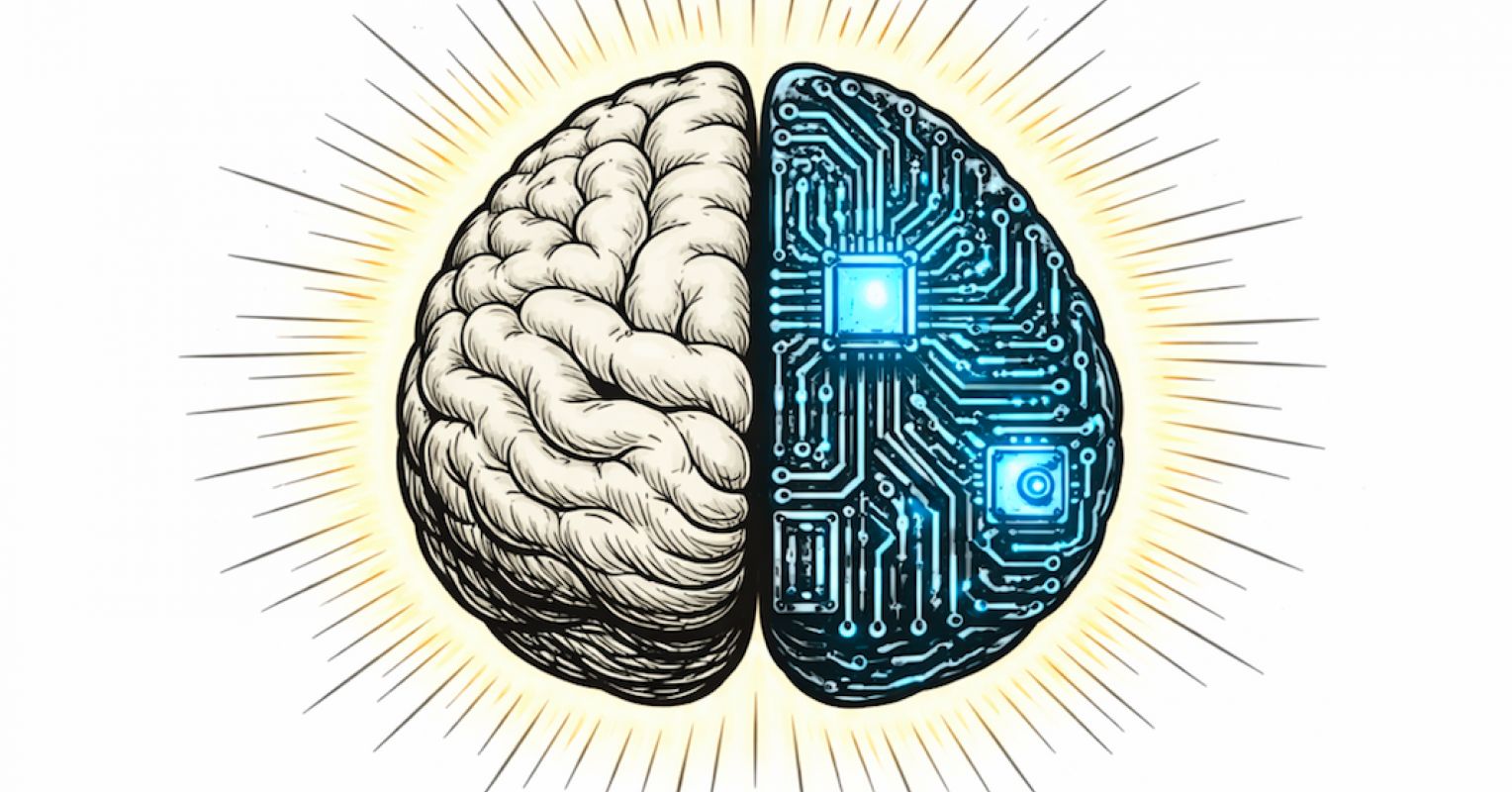
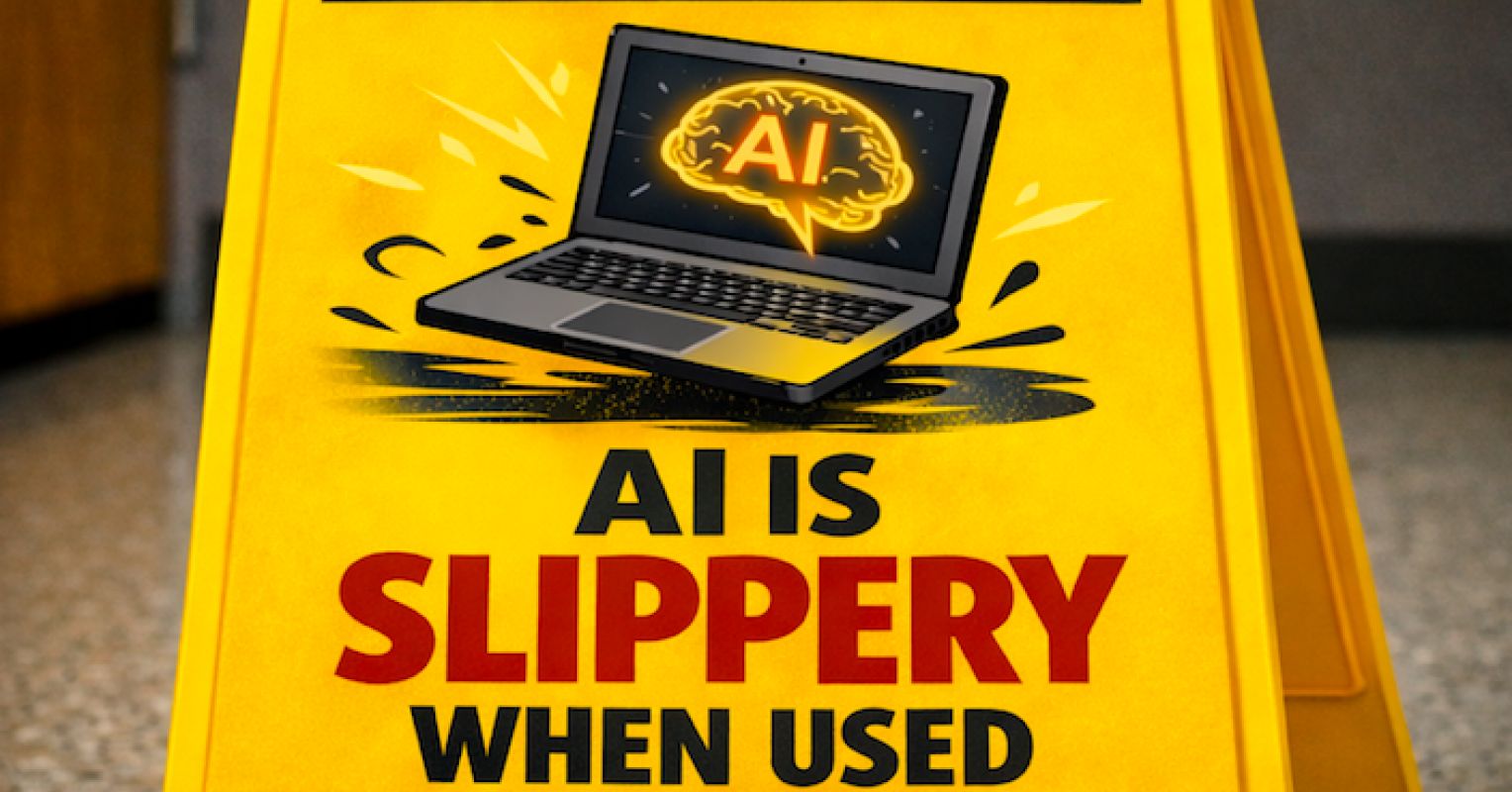
AI reduces cognitive friction by providing fluent answers, shifting judgment ahead of deep understanding and reshaping the cognitive ground on which thinking occurs.
AI isn't making us smarter - it's training us to think backward, an innovation theorist says
Large language models optimize fluency over human understanding, producing polished responses that can shortcut and weaken human judgment and reasoning in work settings.
AI actively participates in human thinking, altering idea formation and requiring protection of uniquely human faculties like curiosity, intuition, and hesitation.
AI must avoid imitating human cognition and instead leverage its strengths—scale, reversibility, and hyperdimensionality—to produce cognitive depth via human–machine parallax.
Human and AI cognition follow distinct architectures that briefly intersect in a fleeting 'Cognitive Corridor' that can illuminate human thought but does not merge minds.
Is AI Making Us Stupider? This Study Certainly Thinks So
Relying on AI for cognitive tasks reduces active critical thinking and undermines long-term skill acquisition, shown by decreased brain engagement during assignments.