#anemoia
#anemoia
[ follow ]
#nostalgia #memory #loss #grief #identity #friendship #childhood-memories #human-connection #psychology #loneliness
Relationships
fromSilicon Canals
1 day agoMost people don't realize that the sharpest loneliness in midlife isn't having no friends - it's having friends who knew an earlier version of you and have no interest in meeting who you've become - Silicon Canals
Loneliness in midlife often stems from friends not updating their understanding of each other, rather than a lack of social connections.
#aging
Mental health
fromSilicon Canals
2 days agoPsychology says the most isolating part of getting older isn't having fewer people around you - it's having fewer people who knew you when you were whole and fast and full of plans, because the version of you that exists in other people's memory is shrinking at the same rate as the guest list, and one day you'll be the only person alive who remembers what you were capable of - Silicon Canals
The hardest part of aging is losing connections to those who remember different versions of ourselves.

Mental health
fromSilicon Canals
2 days agoPsychology says the most isolating part of getting older isn't having fewer people around you - it's having fewer people who knew you when you were whole and fast and full of plans, because the version of you that exists in other people's memory is shrinking at the same rate as the guest list, and one day you'll be the only person alive who remembers what you were capable of - Silicon Canals
The hardest part of aging is losing connections to those who remember different versions of ourselves.
#grief
Psychology
fromSilicon Canals
3 days agoPsychology says adult children don't grieve their aging parents all at once - they grieve them in a thousand tiny deaths, like the first time your mother forgets she told you the same story twice, or the afternoon you notice your father's hands shaking when he signs his name - Silicon Canals
Anticipatory grief involves mourning the gradual changes in living parents, representing incremental losses rather than just preparing for death.

Mental health
fromSilicon Canals
3 weeks agoNobody warns you that grief and loneliness are two different animals that hunt together. Grief takes the person. Loneliness takes every small moment you used to share with them and leaves you standing in the kitchen holding two coffee cups out of habit, morning after morning, until you teach yourself to reach for one. - Silicon Canals
Grief and loneliness are distinct experiences that affect individuals differently, with grief being a communal event and loneliness a persistent absence.
Psychology
fromSilicon Canals
3 days agoPsychology says adult children don't grieve their aging parents all at once - they grieve them in a thousand tiny deaths, like the first time your mother forgets she told you the same story twice, or the afternoon you notice your father's hands shaking when he signs his name - Silicon Canals
Anticipatory grief involves mourning the gradual changes in living parents, representing incremental losses rather than just preparing for death.
Mental health
fromSilicon Canals
3 weeks agoNobody warns you that grief and loneliness are two different animals that hunt together. Grief takes the person. Loneliness takes every small moment you used to share with them and leaves you standing in the kitchen holding two coffee cups out of habit, morning after morning, until you teach yourself to reach for one. - Silicon Canals
Grief and loneliness are distinct experiences that affect individuals differently, with grief being a communal event and loneliness a persistent absence.
#childhood-memories
Writing
fromwww.theguardian.com
1 month agoThe moment I knew: I was enchanted by her painting but we never spoke. I wouldn't see her again for 55 years
A man reconnects with a childhood classmate whose exceptional artistic talent impressed him decades earlier, leading to an unexpected reunion after 55 years of separation.
Mental health
fromSilicon Canals
2 weeks agoThere's a specific kind of grief that belongs to people who outgrew their hometown but never fully arrived anywhere else. They're not homesick for the place. They're homesick for the version of themselves that didn't yet know the place was too small. - Silicon Canals
Returning to one's hometown reveals a paradox of searching for a lost self rather than a changed place.
Parenting
fromSilicon Canals
2 weeks agoI'm 66 and the thing that broke me open this year was not a loss or a diagnosis or anything large - it was my grandson falling asleep on my chest on an ordinary afternoon, his whole small weight trusting me completely, and I sat there unable to move and understood that this is what all of it was for, not the career or the mortgage or the decades of doing the right thing, just this, just him, just now - Silicon Canals
Life's true value lies in small moments with loved ones, not in achievements or material success.
Psychology
fromSilicon Canals
3 weeks agoThe friends you made between 19 and 24 know a version of you that your current partner, your therapist, and your coworkers will never meet. And the grief isn't about losing those friends. It's about losing access to the person you were with them. - Silicon Canals
Friendships formed between ages 19 and 24 serve as an identity archive, reflecting a version of oneself that no longer exists.
Design
fromdesignboom | architecture & design magazine
4 weeks agonostalgia for caramel candy inspires a ceramic collection of interior objects
The 'Caramel' collection features modular ceramic lighting and furniture designed for personalization and expression, inspired by childhood memories and contemporary life.
Mindfulness
fromSilicon Canals
1 month agoI asked my mother what she thinks about when she looks at old photographs of herself and she said "I think about how worried I was and how little of it mattered" - and the simplicity of that sentence from a woman who spent decades carrying everything has been sitting in my chest for three weeks because it contains a permission I'm not sure I'm brave enough to take yet - Silicon Canals
Worry often consumes energy without yielding significant outcomes, highlighting the importance of action over inaction.
Relationships
fromSilicon Canals
3 weeks agoPsychology says the reason you feel both love and resentment toward aging parents is because you're living in two timelines simultaneously - honoring who they were while managing who they are, and your heart doesn't know which version to grieve first - Silicon Canals
Love and resentment towards aging parents are common emotional responses, not signs of a broken relationship.




fromHyperallergic
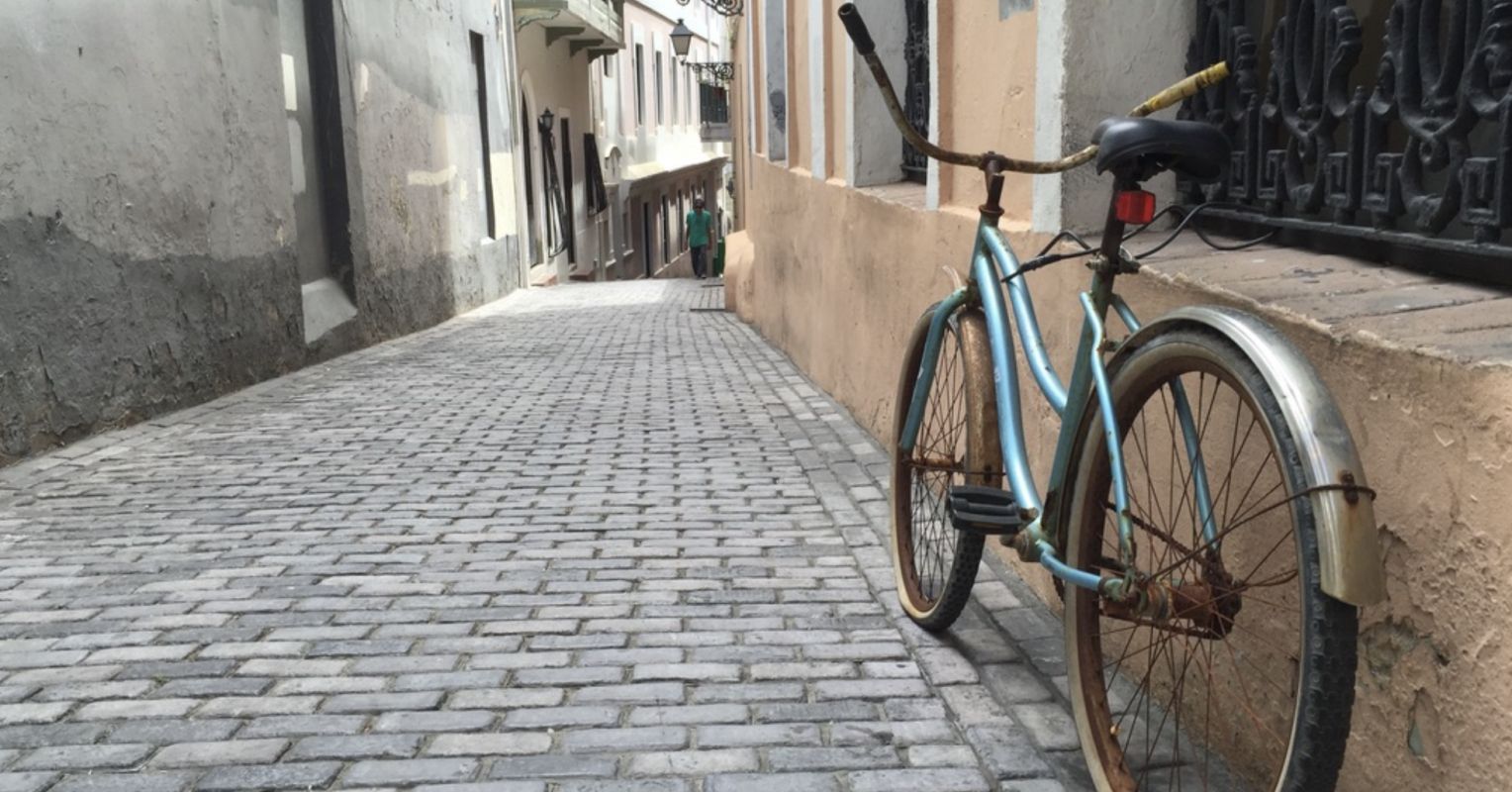
1 month agoFlying Back With the Birds to My Hometown of Tehran
Distance does not soften the terror. It only deepens my helplessness. In moments like this, I realize that geography is not measured in miles, but in attachment. War rearranges distance. These days I find myself returning to "The Conference of the Birds," the 12th-century poem by Attar of Nishapur, seeking meaning through ancient wisdom about spiritual journeys and transformation.
Arts
Digital life
fromBuzzFeed
1 month agoOlder People Are Sharing The Everyday Experiences From The Past That Are Suuuuuper Rare Now
Older adults describe everyday experiences from the 1950s-1980s that no longer exist today, including shared phone lines, elevator attendants, accessible firearms in public spaces, and inexpensive concert tickets.
Psychology
fromSilicon Canals
1 month agoBehavioral scientists say the reason people cry when they see someone else reunited with a loved one - at airports, in films, in real life - isn't sentimentality. The brain's mirror neuron system fires a complete emotional simulation of the experience, and the tears aren't about the strangers, they're about every reunion your own body has stored and every one it's still waiting for. - Silicon Canals
Observing emotional reunions activates mirror neurons, creating an embodied response that connects us to the feelings of others.
#aging-and-identity
fromSilicon Canals
1 month agoMental health
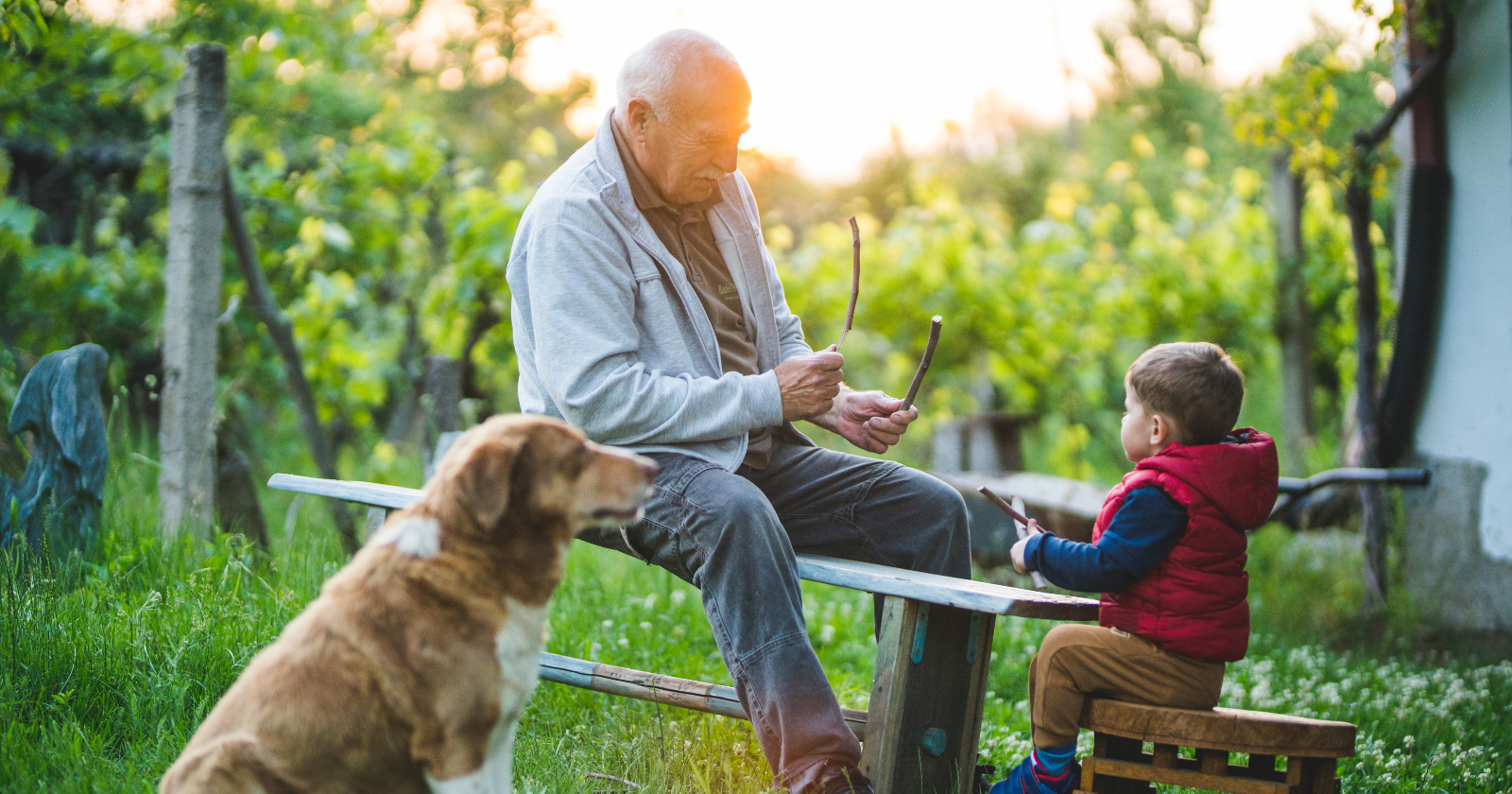
Psychology says the reason your aging parent keeps telling the same stories isn't memory loss it's that those stories are the last place where they still felt like the main character in their own life and repeating them is the closest thing they have to being seen again - Silicon Canals
fromSilicon Canals
1 month agoMental health
Psychology says the reason your aging parent keeps telling the same stories isn't memory loss it's that those stories are the last place where they still felt like the main character in their own life and repeating them is the closest thing they have to being seen again - Silicon Canals
Psychology
fromSilicon Canals
1 month agoThere's a version of loneliness that belongs to people who moved far from where they grew up and built a beautiful life somewhere new, only to realize that nobody in their current world knew who they were before. And sometimes being fully known matters more than being fully comfortable. - Silicon Canals
Loneliness can stem from not being known, even in social environments full of warmth and connection.
fromConde Nast Traveler
1 month agoEditor's Letter: The Travel Memories That Stay With Us
I had lost my father just a few weeks prior, and the brain fog was real and persistent, so moments like these that managed to pierce through felt even more profound. As we were setting sail from Lisbon, I ate a pastel de nata, the ubiquitous egg custard tart, with pastry so crisp and flaky I could hear it crackle over the sound of the waves-and it filled me with delight.
Travel
Relationships
fromSilicon Canals
1 month agoI asked 20 people over 70 what they miss most about their parents and not one of them said advice, wisdom, or guidance - every single one described a physical sensation: the weight of a hand on their shoulder, the sound of a specific laugh, the smell of a coat, a kitchen, a car - and most of them hadn't felt it in thirty years but could describe it in four seconds - Silicon Canals
Physical sensations and sensory memories—touch, smell, sound—outlast wisdom and advice as the most enduring and meaningful memories of deceased loved ones.
Psychology
fromSilicon Canals
1 month agoPsychology says people who remember the exact location of every item in their childhood home - which drawer, which shelf, which cupboard - aren't sentimental, their brain mapped that house the way a body maps a minefield, and the precision that looks like nostalgia is actually surveillance that never turned off - Silicon Canals
Detailed childhood home memories reflect survival-based hypervigilance rather than nostalgia, with brains mapping familiar spaces like tactical terrain to navigate unpredictable or chaotic environments.
fromemptywheel
2 months agoHow Do You Want Your Family to Remember You? - emptywheel
The Stasi, the secret police, were legendary for their data files. Their work was based on instilling fear, and they induced stunningly amazing numbers of East Germans into informing on their neighbors. Something along the lines of 1 in 6 East Germans were informants, whether out of fear or out of approval of what the East German government was doing.
US politics
London food
fromCN Traveller
1 month agoI visited my homeland to see if I could fall back in love with this fierce Mediterranean isle - this is what I discovered
Cyprus attracts visitors through its mythological heritage and Mediterranean beauty, while representing a complex homeland shaped by migration, occupation, and personal identity struggles.
fromEmptywheel
2 months agoHow Do You Want Your Family to Remember You?
The Stasi, the secret police, were legendary for their data files. Their work was based on instilling fear, and they induced stunningly amazing numbers of East Germans into informing on their neighbors. Something along the lines of 1 in 6 East Germans were informants, whether out of fear or out of approval of what the East German government was doing.
E-Commerce
fromBuzzFeed
2 months ago12 Grandparent Memory Books And Journals To Chronicle Family Histories
BuzzFeed Shopping provides service-focused product recommendations prioritizing readers, vetting products, fact-checking claims, exposing fake deals, and offering authentic, inclusive choices across price points.
Law
fromSlate Magazine
2 months agoAfter My Mom's Death, I Went Inside My Parents' House for the First Time in Years. What I Saw Terrified Me.
Adult child with power of attorney discovers father depleted finances, hoarding home, excessive gambling and spending, declining health, and refusal of help risking homelessness.
fromCurbed
2 months agoSentimental Value Is an Excellent Lamp Movie
Sentimental Value is very much a film about a house - a Victorian " dragestil," or "dragon style," home in Oslo where generations of the same family have lived for more than a 100 years. Director Joachim Trier, who found the house in Oslo's Frogner neighborhood, called its role in the film "a witness of the unspoken ... a witness of the 20th century."
Travel
fromBusiness Insider
1 month agoMy best friend and I went our separate ways after college. We reconnect every year on a trip we call 'bestiecation.'
Two friends with divergent post-college paths maintain their bond through annual vacations, prioritizing their friendship despite living different lives.
fromwww.theguardian.com
2 months agoMy rookie era: scrapbooking is like creating my own sentimental time capsule
I had always associated scrapbooking with grandmas and bored children, so, imagine my surprise when as a twentysomething with a Big Girl Job I found myself enamoured of printing, cutting, and sticking random bits and bobs into a book. If, like me, you've racked up a disconcerting amount of screen time, you may have stumbled across a multitude of craft-inspired social media posts made primarily by young women. Described as junk journalling, the hobby is distinguishable by an affinity with collecting and storing physical mementoes, such as tickets, receipts, packaging and Polaroids.
Arts
Psychology
fromSilicon Canals
1 month agoThe friends you made before you learned to perform are the ones who feel like home. Not because they're better people, but because they met you before you built the version of yourself that everyone else knows. - Silicon Canals
Childhood friendships feel uniquely comfortable because those friends remember your authentic self before you learned to manage impressions and curate your identity.
fromPsychology Today
2 months agoYour Life's Work Preserved: Why Collectors Are Going Virtual
The traditional museum experience, pausing in front of an object, and absorbing its history visually or by reading its description, has long shaped how collectors and others relate to cultural treasures. Yet, over the last few decades, digital technology has quietly rewritten many of those rules, changing not only how collections are exhibited but also how they are documented, preserved, and even inherited.
Arts
fromSilicon Canals
2 months agoYou know you're getting older when these 10 "boring" activities genuinely excite you now - Silicon Canals
Remember when Friday nights meant figuring out which party to hit first? Now, I get genuinely thrilled about having zero plans and a new documentary queued up. Last week, I actually canceled drinks to stay home and organize my spice drawer, and the weirdest part? I felt zero FOMO! If you've ever caught yourself getting excited about a new vacuum cleaner or spending Saturday night researching the best mattress for back support, congratulations! You're officially entering that phase of life where "boring" isn't boring anymore.
Mindfulness
fromSilicon Canals
1 month agoPsychology says the reason boomers get emotional watching old home movies isn't the people in them - it's the background, the furniture nobody saved, the wallpaper nobody photographed, the ordinary details of a life that felt permanent until it wasn't - Silicon Canals
We photograph people obsessively, but we rarely capture the everyday spaces where life actually happens. And when those spaces disappear, something profound goes with them. The furniture was never just furniture—it was the stage where decades of family life played out. Every scratch, stain, and worn patch told a story.
Digital life
fromwww.theguardian.com
2 months agoAnalog is back, and my millennial heart couldn't be happier | Tayo Bero
Usually, my handbag is a medley of digital devices and life essentials my phone, iPad, chargers, keys, tampons. But lately, you're likely to also find a half-done newspaper crossword, a ton of stationery, the book I've restarted three times, and whatever scraps and trinkets I've picked up throughout the day to put in my scrapbook. Analog is back, and it feels like we need it more than ever.
Mindfulness
fromwww.theguardian.com
1 month agoIt helps with loneliness': grief, play and the power of lifelike dolls - photo essay
It's a doll, Ineke Schmelter, 71, often says as she walks down the street with a pram and someone peers fondly under the hood, asking: How old is the baby? Then she pulls back the blanket and reveals the doll. She points out the craftsmanship the little veins, the creases in the skin and explains that it can take as many as 20 layers of paint to achieve such a lifelike finish.
Arts
Parenting
fromSilicon Canals
1 month agoI became a grandparent at 64 and the first time my granddaughter fell asleep on my chest I felt something I hadn't felt since my own children were small - except this time I was present enough to notice it, and that difference is the thing that broke me open - Silicon Canals
A grandfather holding his granddaughter at 3 AM realizes he missed precious moments with his own children while prioritizing work over presence.
Relationships
fromSilicon Canals
1 month agoNobody tells you that the friendship that hurt the most to lose wasn't the dramatic one - it was the one that faded so slowly you can't point to the day it ended, just the day you noticed it was gone - Silicon Canals
Most friendships have natural expiration dates; slow fades hurt more than dramatic endings because they lack closure and acknowledgment.
fromSilicon Canals
2 months agoIf you remember these 8 weekend rituals from childhood, you grew up with stronger family bonds than most people have today - Silicon Canals
I was thinking about this the other day while scrolling through my phone on a Saturday morning, realizing I'd been working for two hours without even noticing. Growing up, my weekends looked nothing like this. There were unspoken rules, traditions that just happened without anyone scheduling them into a calendar app. These weren't grand gestures or expensive activities. They were simple rituals that, looking back now, built something most of us are desperately trying to recreate through therapy apps and self-help books: genuine connection.
Relationships
Arts
fromdesignyoutrust.com
2 months agoA Lone Figure, A Huge Horizon: This Artist Uses Characters For Scale And Nostalgia Like A Film Still
Contemporary artists present diverse creative works across media—ASCII portraits, tattoos, photography, sculpture, digital painting, street murals, and satirical illustrations.
fromSilicon Canals
1 month agoThe only time I ever saw my grandfather cry was when he thought he was alone in the kitchen-and the thing that made him cry was so small and so ordinary that it rewired everything I thought I knew about what breaks a strong man - Silicon Canals
He was crying over a bowl of oatmeal he had to make himself. That moment changed how I see strength. How I see men. How I see myself. The weight of ordinary things. We think the big stuff is what breaks us. Death, divorce, losing a job. And yeah, those things hurt like hell. But sometimes it's the small stuff that cuts deepest.
Relationships
fromwww.theguardian.com
1 month agoLiving with hyperphantasia: I remember the clothes people wore the day we met, the things they said word-for-word'
Hyperphantasia is a cognitive trait characterised by an abundance of vivid mental imagery. In an area of developing science (the term was only coined a decade ago), those who identify with this experience have an imagination of lifelike quality and can create detailed images and scenarios in their minds. It can also extend to multiple senses.
Psychology
fromwww.theguardian.com
2 months agoAfter high school, a friend I was very close to drifted away. Should I seek closure from her? | Leading questions
Should I try to seek closure with a person I used to love but drifted apart from, or is it best to leave them be? There's a person I used to be really close to who doesn't talk to me any more. We didn't have a fight. We just drifted, but I still think about them all the time. We were really close from year 7 to year 12. The truth is I had a devastating crush on her. I told her about it one day; she let me down very sweetly and our friendship continued. She was the first (and so far only) person I've ever felt I loved. She's the reason I identify as bi. And I believed for a few years she loved me too, if in a different way to how I hoped.
Relationships
[ Load more ]