When hot honey started popping up on restaurant menus about five years ago drizzled over pizza perhaps, or used as a glaze for meat or halloumi it seemed novel; something unusual and exciting to try. Word soon got out, particularly among gen Z, about its swicy (sweet and spicy) appeal, and the product has gone a bit crazy over the last couple of years, according to Laurence Edwards, owner of Black Mountain Honey, which has seen its hot honey sales shoot up.
In northern Ghana's Yiwagu community, farming has long been the backbone of local livelihoods. But in recent years, harvests especially shea nuts have dwindled. Locals blame the decline on erratic rainfall and rising temperatures, symptoms of a changing climate. In response, the ethnic minority community has turned to traditional conservation practices. Chiefs and local leaders have banned tree felling and other harmful activities in nearby forests.
They were members of the local Wilson 4-H club and that legacy continued when JoAnn raised her own family there. "My daughters both had dairy projects," she said. "They were in the replacement heifer program where they raised dairy calves and sold them at the fair. So that was two generations right there at the Petaluma and Santa Rosa Fairs. We had a really wonderful time. We have wonderful neighbors and we're still here on Chapman Lane."
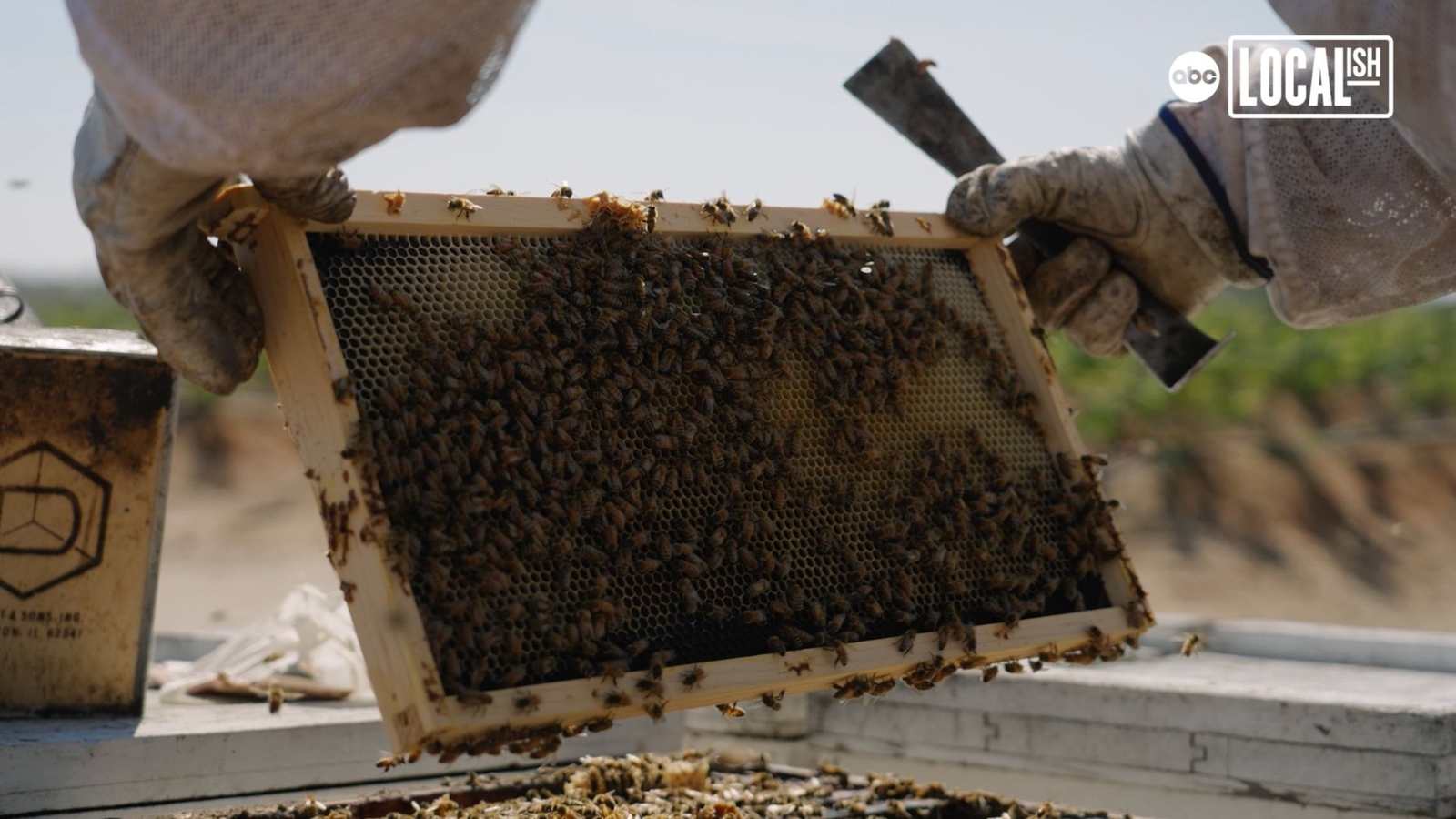
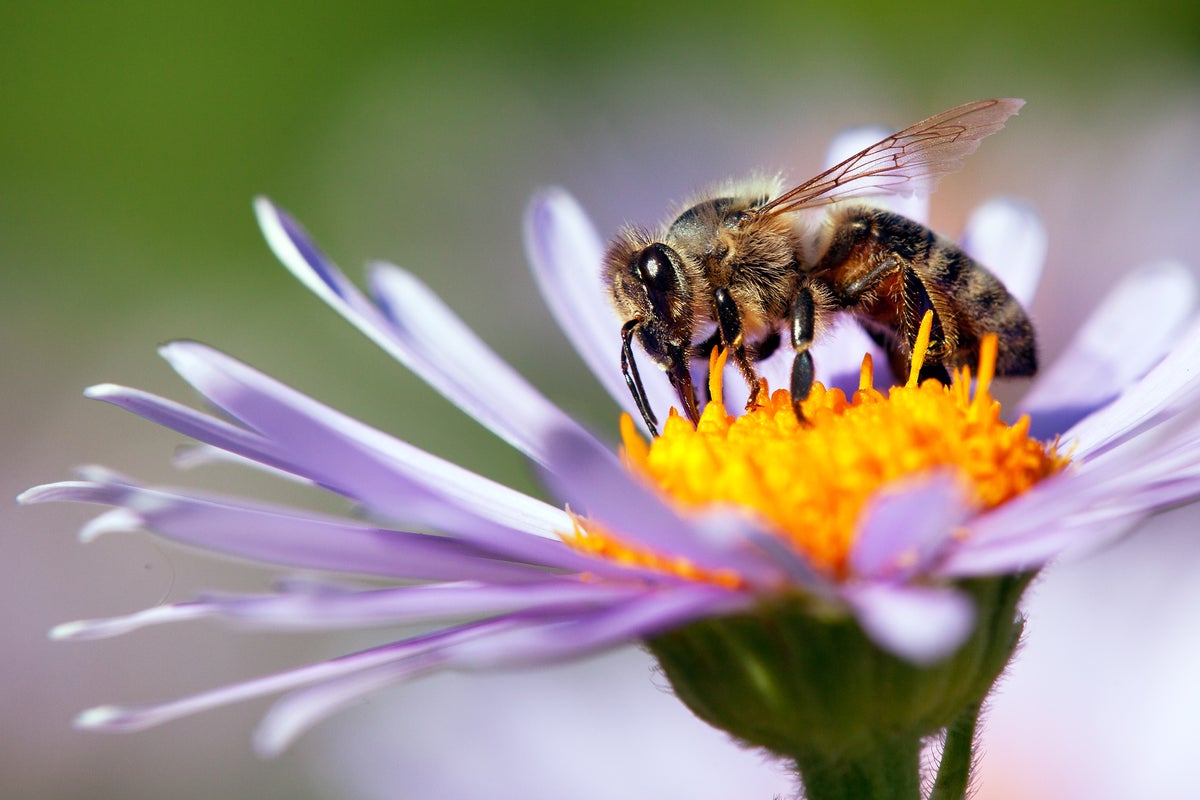
Santa Rosa 9-year-old Nicholas Bard is a walking encyclopedia of honeybee facts. A colony needs 30 to 60 pounds of honey to survive each winter. The average lifespan of bees is about two weeks. And individuals hold distinct jobs, from cleaners to foragers, during their life cycle. Nicholas knows how much bees contribute to California's agricultural economy and the alarming rate at which the population is declining.
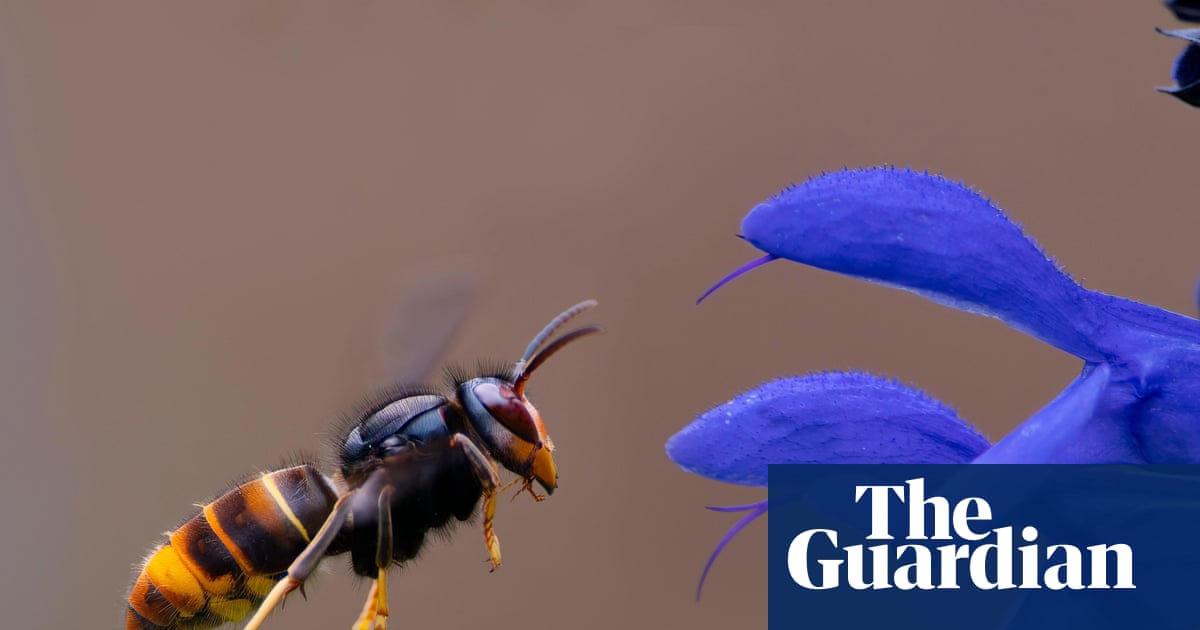
When a hive is robbed, the invading bees kill bees and may even kill the queen. They tear open wax cells to get at the honey inside and can remove large amounts of honey very quickly, said one beekeeping guide. Worse, ripping open cells spreads the smell of honey far and wide, which attracts other invaders like wasps, yellow jackets, and hornets. These insects are even more aggressive, and will promptly kill off any bees left in the hive.
Kathleen Devine, who was in her 70s and from Knockmore, Ballina, died after a suspected allergic reaction to a sting at a farm near Ballycastle. She and her husband Des had celebrated the marriage of their daughter only last Friday. The couple had been helping a friend to harvest honey from a hive when the incident happened. Ms Devine was wearing a protective suit, but one or two bees are believed to have got inside her suit and stung her.
The Beehive Observation Cabin, designed by OMNO Lab in Tibet, serves as an educational outpost for bee observation, seamlessly blending into its natural landscape.