Books
fromThe New Yorker
22 hours agoBriefly Noted Book Reviews
Two young women navigate identity and belonging in Jim Crow Louisiana, diverging paths lead to a profound examination of love and family.
After members of the St. Cassian High School chamber choir perish while riding The Cyclone, they awake in limbo. Their spirit guide (a mechanical fortune teller automaton named The Amazing Karnak) invites each one to tell their life story in an effort to win the greatest prize of all, a chance to return.
After spotting that Eli's rash guard conceals a red, flaky skin disorder, the boys have concluded that he has the titular plague, a contagious disease that affects social standing as much as it does dermatological well-being. If anyone ever touches him, they must thoroughly wash themselves before they're considered full-blown infected. Even something as innocent as Eli sitting at the same lunch table sends his teammates running and screaming.
For as much as gays love their horror, and as many examples there are of the genre finding its haunting power through queer metaphor (from the scary subtleties of Psycho to the screamingly obvious A Nightmare on Elm Street 2: Freddy's Revenge), there are relatively few mainstream horror films that actually tackle LGBTQ+ themes head-on. However, after a rapturous reception at the Sundance Film Festival, Australian supernatural fright flick Leviticus was quickly picked up for theatrical release by Neon and might just be the " queer horror masterpiece " we've been waiting for.
There's a lot about Perfect Tides: Station to Station 's Mara that I find relatable. Like me, she's recently moved to a place simply called "the City" from the middle of nowhere, and like me, she's an avid writer. But these biographical details aren't the important thing; it's the way she's painted by the game's incredibly sharp writing where I start to feel uncomfortably seen.
What do you get when you cross an all-women dance troupe with a rebellion against Catholicism and erotic '90s thrillers? Something supremely queer, I hope. In the words of Ayo Edebri: I'm simply too seated. This is The Body, a new Netflix psychodrama from queer writer-director and Blame actress Quinn Shephard, starring none other than The Traitors ' sapphic supreme, Gabby Windey (plus a host of other very talented stars) Announced back in October, the eight-part show is set to further the fascination with "raunchy" coming-of-age, sports-ish series when it's released later this year, and with a wink-wink-nudge-nudge approach to religion, too.
It's hard to ignore a film's message when the main character is addressing you directly down the barrel of the camera. Granted, the first time I watched the 1986 teen comedy Ferris Bueller's Day Off, I was the impressionable age of 11 and Look people in the eyes when they're talking to you was on constant rotation in my household. So my green eyes met Ferris's brown ones and I took it all in.
It was his aside that spoiled the secret identity of Santa Claus; he who laughingly revealed the mechanics of sex; he who gave me my first sip of beer. Yet, when he found out I was sneaking cigarettes from my dad's stale dinner party supply, he chastised me before either of my parents could, and when my mum was diagnosed with cancer and I was just 15, he was already a 22-year-old medical student.
Bouncing through the year 1987 under a cloud of weed and Lou Reed, wannabe travel essayist James suffers a reality check when his dad's demotion means that the family can no longer fund a planned European jolly with his best mate, Eric. Faced with an empty summer before studying at Columbia University, the Charles Darwin acolyte manages to bag himself a job at the titular theme park, where amusement stations are inexplicably slapped with names like the Flighing Dutchman.
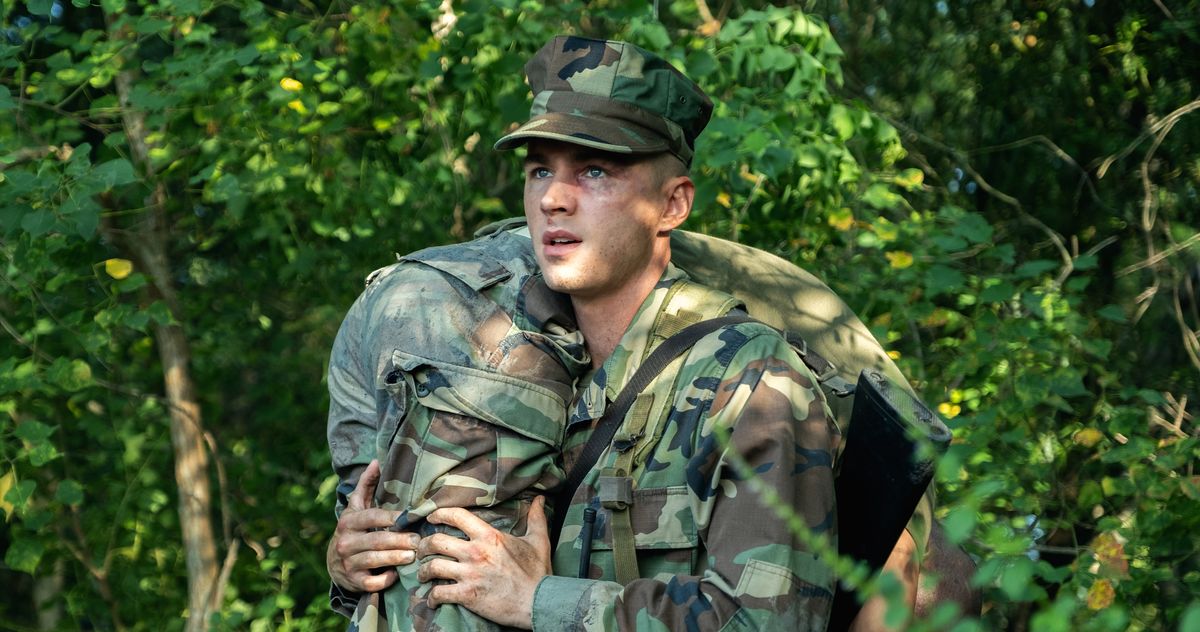
With only a knife, some food, water, and a sleeping roll, Kat Pringle headed into Nevada's rugged White Mountains alone. She was barely a teenager, but it was her turn to spend the night - to survive - on her own, as part of a coming-of-age initiation dreamed up by her father, who ruled over his family with a mix of ideology and impossible expectations.
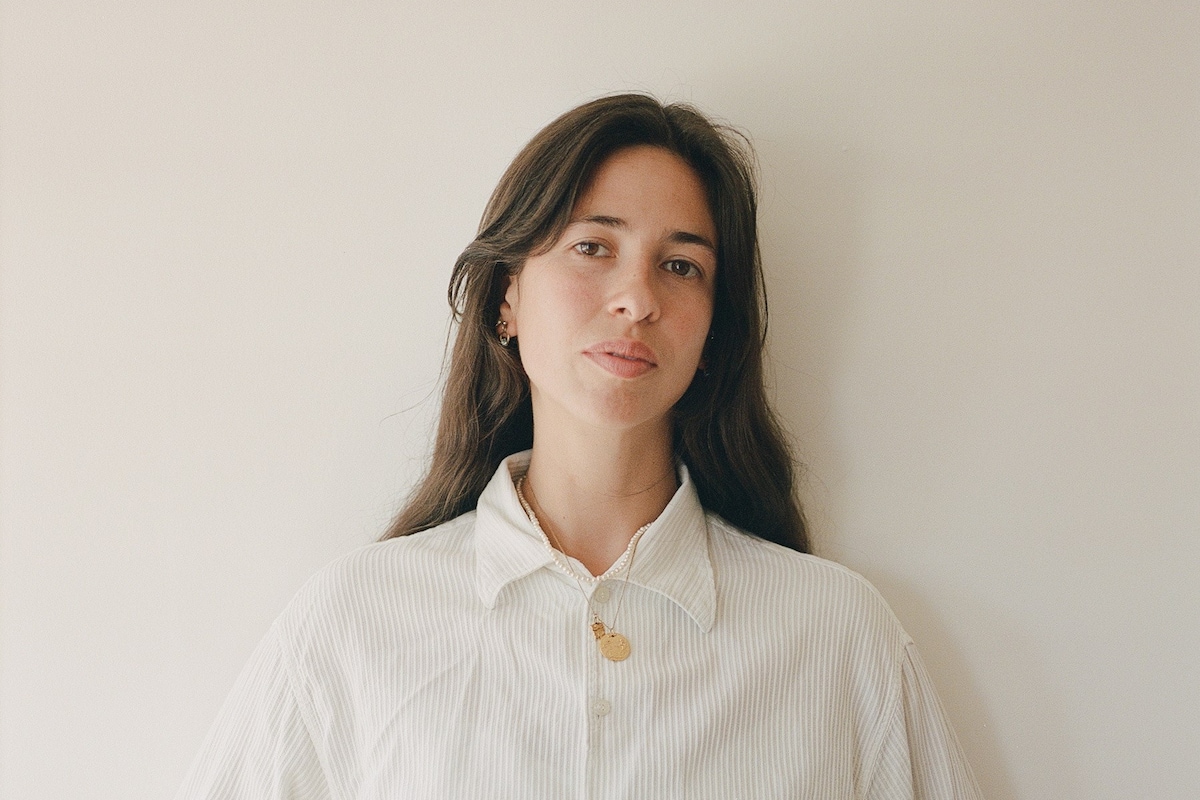
After a tragic loss, college dropout Emily (Zola Grimmer) is desperate for some distance in , the sophomore feature from 22-year-old writer-director Avalon Fast. While her father (Michael Tan) is patient and supportive, the comfort of returning home only seems to make Emily regress into a volatile depression. On a lark of sorts, he suggests that she apply to work as a counselor at a summer camp deep in the Canadian wilderness.
Earlier this month, I kept picking up and putting down Lily King's new novel, Heart the Lover. I love King's writing but the opening section was hard for me to take not in a grisly Cormac McCarthy or scary Stephen King kind of way but in an "Ugh, I remember being that girl, that age" kind of way. Heart the Lover opens in a college class of the 1980s.
The university experience is a risky business in fiction. Generally, the feelings are intense, but the stakes are low; it's all very formative for the individual character, but it can feel a bit trivial to anyone else. In fact, reading an account of someone's university days is surely only one or two stages removed from having to hear about the dream they had last night.
LUNA's music resonates deeply as it explores the journey of coming of age in one's early twenties. She navigates self-discovery, queer identity, and mental health, all while reflecting on the places that have significantly influenced her life. Her ability to encapsulate the bittersweet essence of formative moments, those experiences that exist in the delicate balance between euphoria and pain, makes her an artist unlike any other.
Out of Words is made from clay, fabric, and glue: a love story literally crafted by hand that even caught the attention of Metal Gear creator Hideo Kojima (The biggest praise we could imagine, game director Johan Oettinger says.) Oettinger dreamed of making a stop-motion video game since he was 12, when he first played 90s point-and-click claymation game The Neverhood.
Chief among the many pleasures of Artist Rep's production of The Bed Trick is its talented cast, all of whom are as adept at batting witty banter as they are at creating pockets of emotional depth. Written by Keiko Green and directed by Luan Schooler, the play features a group of mismatched freshman dormmates. The most sexually sophisticated of the three, Lulu (Madeleine Tran), is in a relationship with Willis (Mac Schonher), whose attention is starting to wander on the dating apps.
The majority of "Stooper" takes place at the track where the boy's father asks him, "Who do you like in the second?" making sure the boy understands it's not who do you "want," but who do you "like"? There's something about Captain Midnight that captures the boy's interest. The father explains "odds" to him and that Captain Midnight is a bad bet (10-1 odds). The boy insists. It's his money, he can do whatever he wants with it. Captain Midnight, it is.
Hollywood's vision of the future has been unmistakably bleak of late. Where franchises like Star Trek are consistent with their ideas of an eventual utopia, it's going to take a lot of work - and time - to get to that point. It's a dismal prophecy to those of us living through the 2020s, an era depicted thoroughly (and not too optimistically) across Star Trek's history. It's hard not to succumb to the feeling of doom as our ecological circumstances get dimmer by the day.
The Knightling wants to be a heart-warming indie game about an apprentice stepping out of his master's shadow while also being a throwback action-platformer where you bash monsters with a giant talking shield. It mostly succeeds thanks to its charm and platforming, even if its combat and pacing can't quite keep up. Our main character is the knightling to the legendary hero Sir Lionstone, who is famed for defeating a powerful Earthborne and claiming its magic sword and shield.
The Special Presentations description at TIFF is as laconic as it is cogent: "High-profile premieres and the world's leading filmmakers." The films in this dispatch boast star all-star casts and tell coming-of-age stories of a sort, but they're really stories about people who have to accept parts of themselves they'd rather keep hidden, and begrudgingly accept ways community can help ground them while all else spirals out of control.
A few months in, and her French has barely improved, her roommates are gross and rude, and she has to work two jobs under the table to make rent. She's also making the entire United States of America look bad by insisting on making Stove Top stuffing for Thanksgiving. That is our special thing as Americans, and no European mind will ever comprehend that, Belly. You should have just made them gravy because that is at least something they all understand.
Much of direction is production: the material conditions under which a movie is made plays a major role in the creative process. Movie lovers tend to think of producers as dictators of formulas, oppressors of originality, the enemies of art, but that just reflects the unfortunate history of studio filmmaking in Hollywood and elsewhere. In fact, producing a movie can be a kind of art in itself, a practical imagining of possibilities for filmmakers that they wouldn't themselves have come up with.