#cuban-art
#cuban-art
[ follow ]
#cuba #frida-kahlo #contemporary-art #photography #rumba #afro-cuban #dance #live-music #cultural-heritage #trump






Photography
fromArchDaily
2 days ago40+ Contemporary Architectural Works Across Ecuador Captured by Francesco Russo and Luca Piffaretti
Photographers document Ecuador's architecture and landscapes, highlighting the country's evolving identity and the interplay between built environments and natural surroundings.
fromenglish.elpais.com
2 weeks agoThe week in which Puerto Rico celebrates its Afro-descendant heritage
The Bandera Cimarrona, a flag conceived at the first edition of the International Summit of Afro-descendants in Puerto Rico in 2022, stands as a symbol of the resistance, the pursuit of freedom, and the strength of Afro-descendants on the island and throughout the Americas.
Social justice
fromDocumentjournal
1 week agoFor Bridget Finn, Miami is a city of convergences
Bridget Finn describes her experience leading up to Art Basel Miami Beach as exhilarating and gratifying, emphasizing the unique feel of Miami during the off-season. She enjoys local exhibitions and the community, which are essential to the show's success.
Miami food
Madrid food
fromTasting Table
2 weeks agoWhere To Get The 9 Best Cuban Sandwiches In Miami - Tasting Table
Cuban sandwiches are iconic South Florida cuisine featuring ham, pork, Swiss cheese, and pickles on Cuban bread, with quality depending on authentic ingredients and proper preparation without excess additions.
Music
fromwww.theguardian.com
4 weeks agoUruguay's candombe brings streets to life as the once-banned musical tradition roars back
Candombe, Uruguay's Afro-descendant music once banned and marginalized, is now experiencing peak popularity after spreading from Black neighborhoods throughout the country.
fromenglish.elpais.com
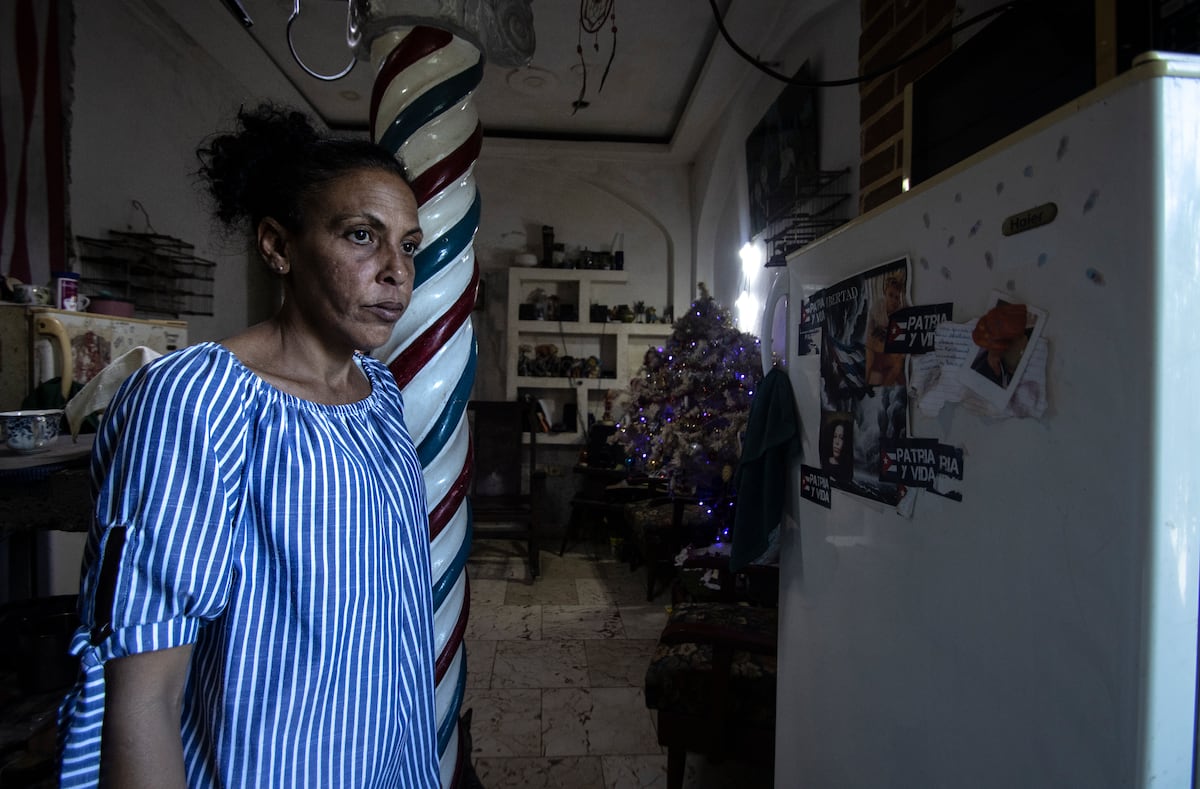
3 weeks agoCuba's collapse in the age of influencers: Staying here should be a source of pride, not a sacrifice'
She explained that she was facing bureaucratic hurdles in obtaining her degree to qualify as a senior technician in dental prosthetics. And, even with the diploma, it would be difficult to survive on a monthly salary of 3,000 pesos (about $6). In Cuba, she said, you have to be a magician to survive the nonexistent transportation, the inflation, the corruption, [or] the fact that the country is operating with a currency that not everyone can access.
Social justice
Left-wing politics
fromwww.theguardian.com
1 month agoI'm Cuban American. For the sake of both countries, Trump's siege must end | Danny Valdes
Trump's fuel blockade on Cuba constitutes collective punishment targeting ordinary citizens with food shortages and medical access denial, continuing decades of US embargo policy explicitly designed for regime change.
Design
fromdesignboom | architecture & design magazine
1 month agoinside the surrealist universe of late artist pedro friedeberg, creator of the iconic hand chair
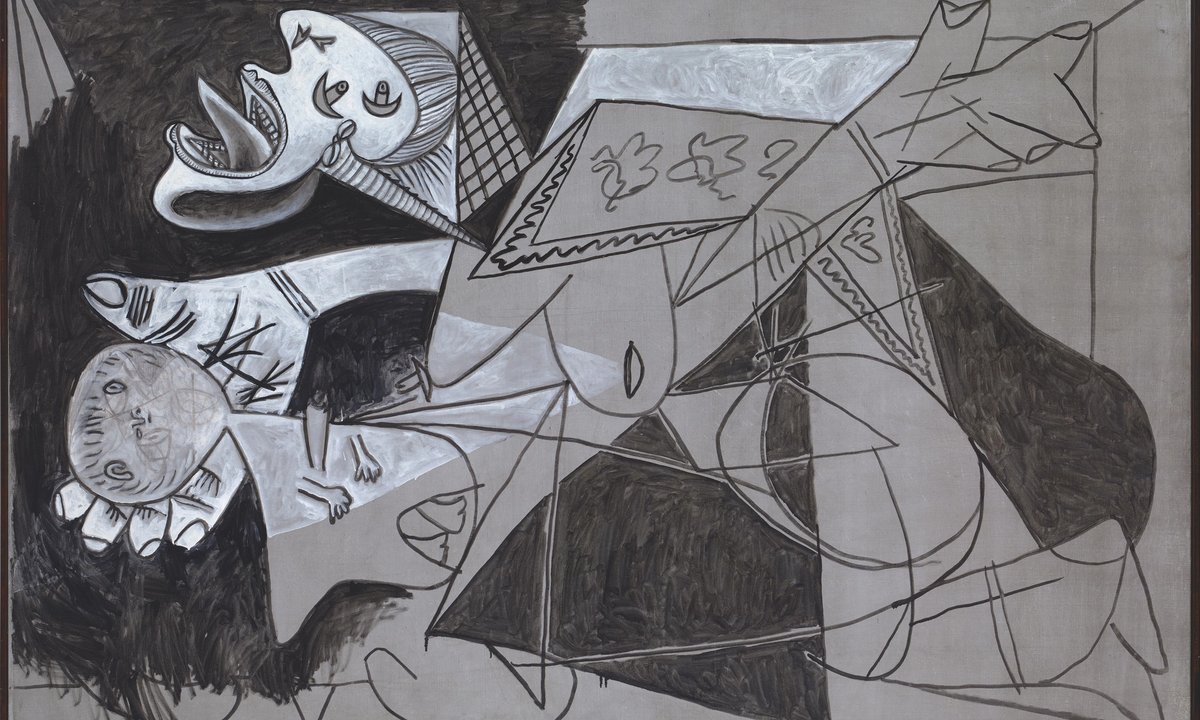
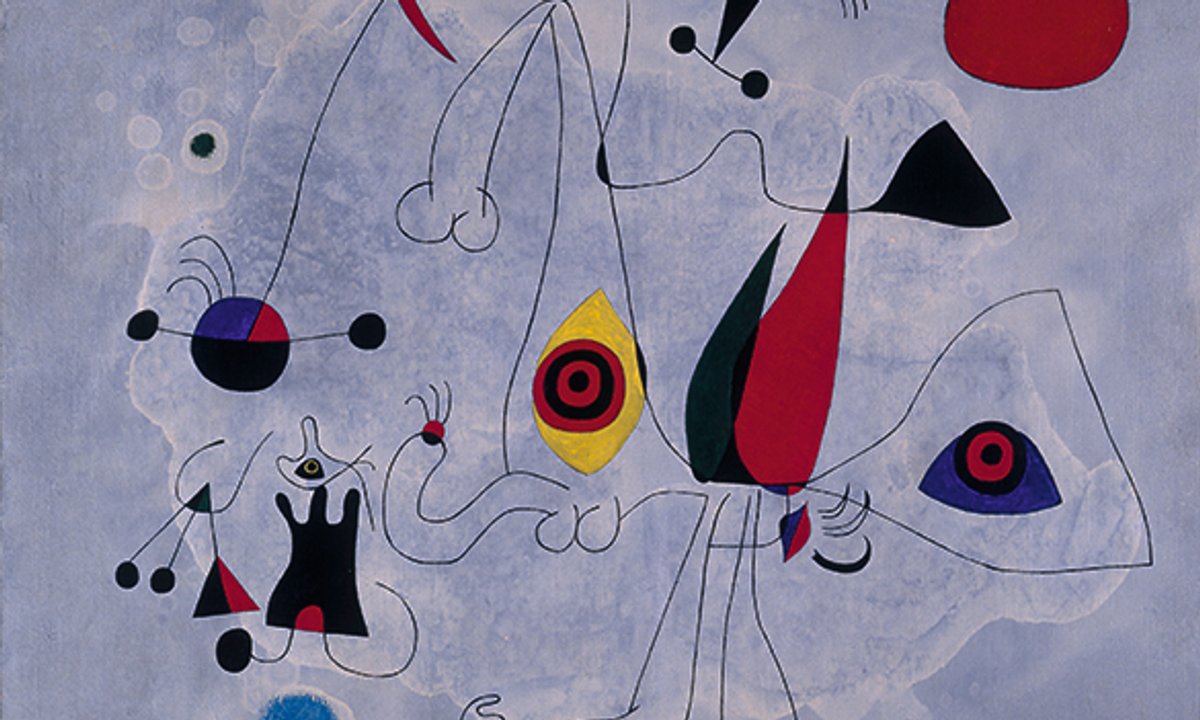
Pedro Friedeberg, Mexican surrealist artist and architect known for ornate drawings and hand-shaped chairs, passed away at 90, leaving behind six decades of work blending gothic architecture, optical patterns, and symbolism.

Design
fromdesignboom | architecture & design magazine
1 month agoluis barragan's la cuadra san cristobal reopens to the public with two exhibitions in mexico
La Cuadra, Luis Barragán's 1968 equestrian complex, reopens as a public cultural campus under Fernando Romero's direction, launching with exhibitions dedicated to Barragán and Felix Gonzalez-Torres.
World news
fromwww.theguardian.com
1 month agoIn the other US target of regime change, Cuba, I saw real hardship and resilience | Sara Kozameh
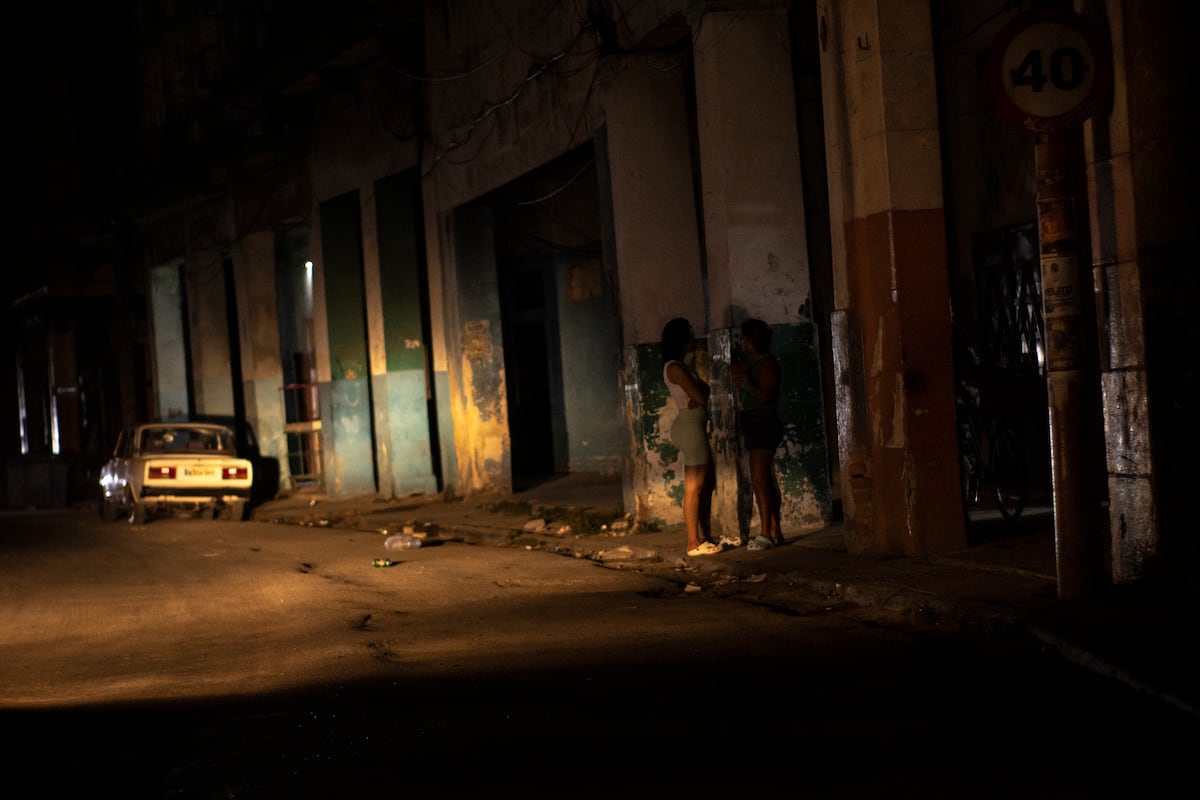
Trump's executive order declaring a national emergency against Cuba and imposing oil tariffs has severely worsened the island's energy crisis, causing daily power outages lasting 18 hours and widespread economic hardship for ordinary Cubans.
fromenglish.elpais.com
2 months agoHavana pulses with jazz despite blackouts and Trump's threats
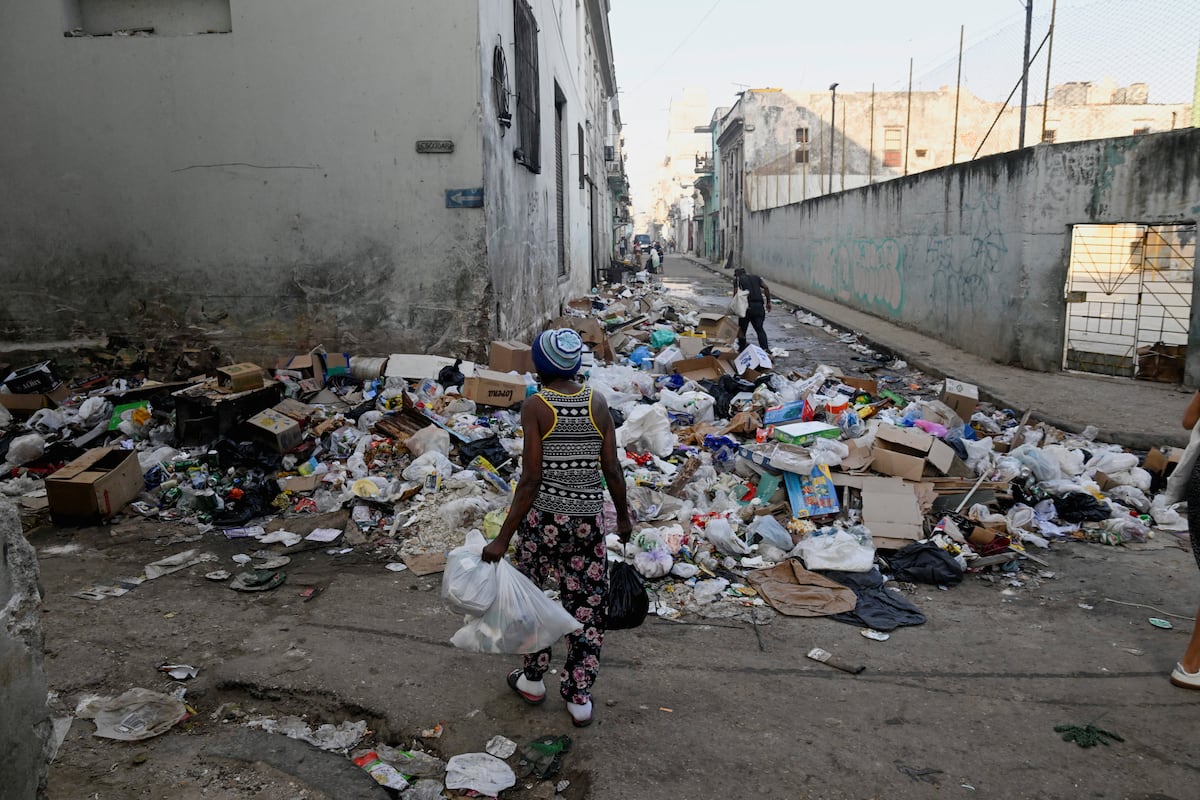
Cuba has long been under the effects of a perfect storm that shows no signs of abating. In addition to constant power outages, the high cost of living, persistent unsanitary conditions in the streets, and a tangled economic crisis that Cuban authorities seem incapable of resolving, there are now direct threats from Donald Trump's administration, aimed at the Castro regime which has been in power for nearly 70 years.
Miscellaneous
Arts
fromKALTBLUT Magazine
4 weeks agoCelebrate the Unconventional: Discover Fernando Carpaneda's Solo Exhibition at the Arkell Museum - KALTBLUT Magazine
Fernando Carpaneda's solo exhibition at the Arkell Museum showcases expressive portraiture celebrating LGBTQIA+ narratives and everyday urban life through vibrant acrylic paintings.
fromenglish.elpais.com
1 month agoThe sinking of Cuba: We are a sacrificial altar'
A few blocks from Revolution Square, in a former shantytown in Havana, Dr. Omitsa Valdes holds her consultations. It's a dusty, dilapidated place where she tells patients they must bring their own syringe and medication from home. But if a general checkup is needed, including urine and blood tests, Dr. Valdes is even more direct: If you can get it done yourself, I'll write the order.
World news
Arts
fromMiami Herald
1 month agoCarlos Alfonzo and Belkis Ayon Unite in 'Odyssey' at Freedom Tower
Two significant 20th-century Cuban artists, Carlos Alfonzo and Belkis Ayón, are exhibited together for the first time at Freedom Tower, revealing shared interests in mythology and artistic influences despite their stylistic differences.
fromKqed
1 month agoVenezuelan Dance Group in the Bay Area Keeps Culture Alive for a New Generation | KQED
Michelle Paulin dances while instructing youth at the Dulce Tricolor Venezolano dance group at the Ariel Dance Studio in Campbell on Jan. 25, 2026. Dulce Tricolor, a Bay Area Venezuelan dance group founded in 2019, teaches children traditional folk dances while preserving culture, building community and offering a sense of home amid Venezuela's ongoing political and economic crisis. (Josie Lepe for KQED)
World news
fromCurbed
2 months agoThe Cuban House of Spirits
The artists José Parlá and Claudia Hilda, his wife, live in a former fire station in Fort Greene surrounded by memories of Cuba, which Parlá's ­family fled in 1970 and where ­Hilda lived until recently. "There's a lot of magical realism here, a big mix of Cuban traditions and religion," says Parlá, pointing to an icon of la Caridad del Cobre, the island's patron saint, in the kitchen. "We cannot move her!"
Arts
fromCurbed
2 months agoThe Cuban House of Spirits
The artists José Parlá and Claudia Hilda, his wife, live in a former fire station in Fort Greene surrounded by memories of Cuba, which Parlá's family fled in 1970 and where Hilda lived until recently. "There's a lot of magical realism here, a big mix of Cuban traditions and religion," says Parlá, pointing to an icon of la Caridad del Cobre, the island's patron saint, in the kitchen. "We cannot move her!"
Arts
fromHyperallergic
2 months agoVisions of Venezuela and Cuba From Exile
Otherworldly forms greet you at the entrance to the exhibition, transporting you into a kaleidoscopic, dream-like space. A voice speaks in the background as projected images dance across the forms, animating the space. "It's been really beautiful to see her work come alive, become a landscape ... where you can traverse and kind of get lost," curator Fabiola R. Delgado says of Lisu Vega's "The Uncertain Future of Absence (El Futuro Incierto de la Ausencia)" (2025).
Arts
fromArtforum
2 months agoMiami's Crisis of Memory: Eddie Arroyo's December 3, 2024, 7:10 am Design District, 2025
This is the site of the Florida state historical marker commemorating Arthur Lee McDuffie, a Black insurance broker and former US Marine whose 1979 beating death at the hands of Miami police ignited one of the most consequential uprisings in the city's history. A plaque unveiled in February 2024 at the site of his attack finally acknowledged the violence that fractured McDuffie's skull and the community-wide outrage that followed.
Arts
fromHyperallergic
2 months agoArt Movements: Pineapples, Coconuts, and More Art Awards
If, like me, you'd rather be in Puerto Rico slathering mashed banana on your semi-nude body than braving the forthcoming cold front in New York City, just know you're not alone. "TROPICALIZE ME!" (2025), pictured above, was performed by Matthieu Laurette at the 3rd Gran Bienal Tropical in December, where the artist took home one of five "Golden Coconuts" along with Poncili Creación, Ángela María Domínguez, Miguel González, and Aldo Álvarez Tostado.
Arts
fromJuxtapoz
1 month agoJuxtapoz Magazine - Oscar Murillo: "el pozo de agua" @ kurimanzutto, Mexico City
OSCAR MURILLO (b. 1986, La Paila, Colombia) has developed a multifaceted and challenging practice that spans painting, collaborative projects, video, sound and installation. Through each body of work, the artist probes ideas of collectivity and shared culture, demonstrating a commitment to the power of material presence alongside complex meditations on contemporary society. A focus on the social dimension that sits on the border between performance and events is also central to Murillo's practice.
Arts
Arts
fromThe Art Newspaper - International art news and events
2 months agoMexico City's art scene gravitates to Santa Maria la Ribera neighbourhood
Santa María la Ribera has become a growing hub for contemporary Mexican artists, offering affordable studios, large Porfirian-era spaces, and new exhibition venues.
[ Load more ]