I lived in Argentina in the mid-1980s, just after the fall of the brutal military dictatorship that ruled from 1976 to 1983. The country was taking its first, shaky steps back toward democracy. It was a time of great hope, but also of grave uncertainty - because while the generals were gone, the political culture that enabled them remained. Like most of the nation, I was captivated by the pioneering trials of the military generals that promised to restore justice.
In this new season, I'm asking how the Trump White House is rewriting the rules of U.S. politics, and talking to Americans whose lives have been changed as a result. Today's episode examines the destruction of the civil service: the removal of professionals, and their replacement with loyalists. I've seen this kind of transformation before, in other failing democracies. Everyone suffers from the degradation of public services.
Meanwhile, signs that the planet's health is worsening are unmistakable. Last year was among the warmest on record globally, with average temperatures far above long-term baselines and heat driving more extreme weather worldwide. In 2025, brutal heatwaves baked much of the Indian subcontinent with temperatures near 48 °C, stressing health systems and agriculture across India and Pakistan. Europe and the Mediterranean faced record wildfires and prolonged heat, forcing tens of thousands to evacuate and worsening drought conditions.
The transformation of ICE into a type of national police force, backed, in some cases, by soldiers from the National Guard, has been covered as immigration story-but these forces are reshaping democracy for all of us. This shift was evident even before the shootings in Minneapolis and Portland this week. In this episode, George Retes, a U.S. citizen and an Army veteran, recounts how he was detained by ICE and held for three days without explanation.
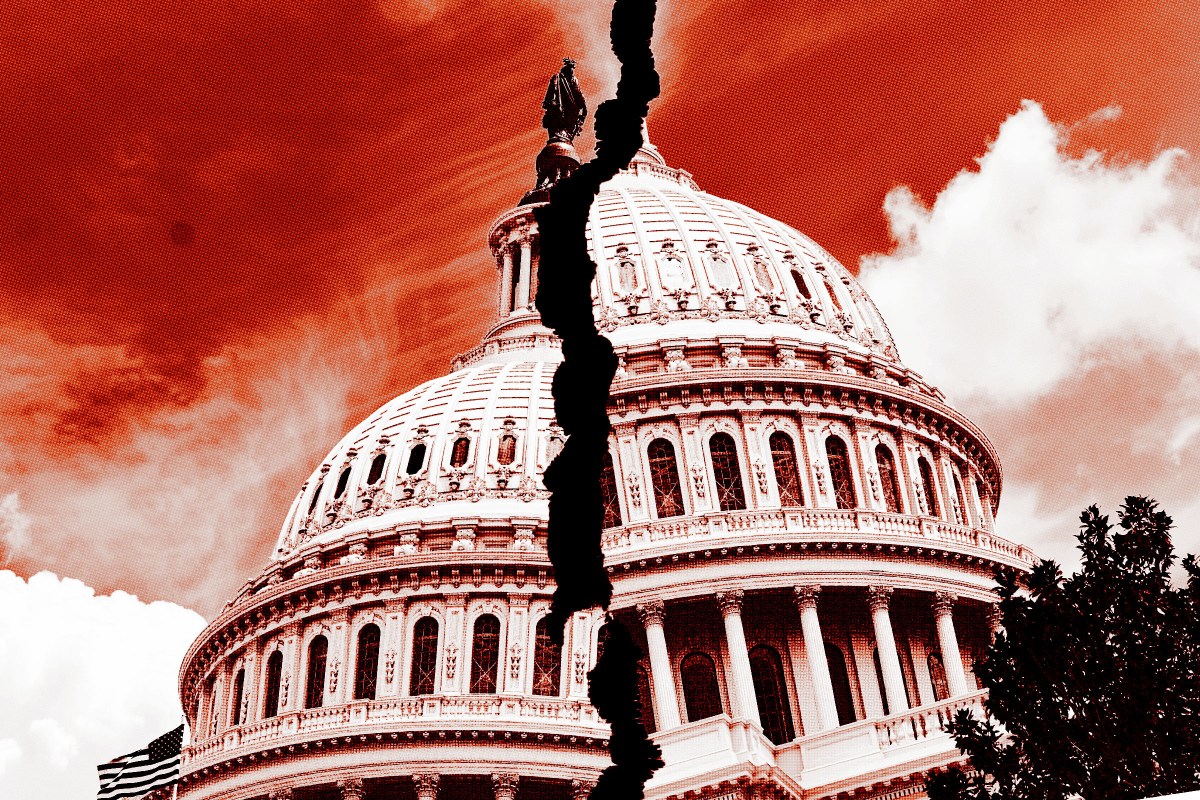
The speed at which Trump tore down a part of the people's house is also in keeping with the speed at which he's been tearing down democracy. Trump just assumes unrestrained power, and no one stops him, even if his actions are lawless. What we've learned from Trump is that it's easy to wreck something. But rebuilding something is going to be much, much harder. How do you put the rubble back together?
Illiberal populism has spread across the world, either challenging for power or entrenching itself in office, from Argentina to Italy, France to Indonesia, Hungary to Britain. But probably the most significant example of a relatively free, pluralist society and political system turning into something very different remains the US, now nine months into Donald Trump's second term. As it often does, the US is demonstrating what the future could be for much of the world.
Fascism is supposed to look a certain way: black-clad, uniformed, synchronised and menacing. It is not supposed to look like an overweight president who can't pronounce acetaminophen and who bumbles, for a full minute, about how he would have renovated the UN's New York headquarters with marble floors, rather than a terrazzo. But as Umberto Eco remarked in his timeless essay on identifying the eternal nature of fascism: Life is not that simple.
We are all familiar with the Trump presidential strategy of "flooding the zone." Its premise is that the mainstream media is incapable of running with more than one or two stories at a time. Therefore, if you hit the system on multiple fronts simultaneously this will take the wind out of any opposition. Hence, the Trump regime's accelerating addiction to outrage upon outrage.