Fashion & style
fromArchitectural Digest
10 months agoThe Best Organic Comforters Go Beyond Sustainability
Oeko-Tex Standard 100 certification ensures bedding is free from harmful chemicals, promoting safer sleep environments.
Join the San Francisco Environment Department, in partnership with the Yerba Buena Gardens Conservancy and Climatebase, for a day of sustainability, community, and action at the official kickoff event for SF Climate Week.
In April 2025, New York City got serious about composting, as the Department of Sanitation implemented its first-ever mandatory curbside composting program. The program aimed to divert food and yard waste generated in residential buildings from landfills, as organic materials make up a third of the City's waste stream.
Officials from the Department of Energy are meeting daily as the Iran war drives up the price of fuel. A public awareness campaign is urging citizens to 'save energy, save your pocket.'
In 2019, scientists found that balloons eaten by seabirds are more likely to kill them than other kinds of plastic yet they do not seem to have been earmarked in the same way as, for example, plastic straws.
Photovoltaic (PV) solar energy represents a modular technology that can be manufactured in large-scale facilities, generating economies of scale, while also being adaptable to small-scale applications. From residential rooftop systems to large-scale power generation installations, photovoltaic solar energy has established itself as a cost-effective option for electricity production in many countries around the world.
Researchers at the Norwegian University of Science and Technology and the University of Tokyo have made a prototype of botanical cement made of desert sand and plant-based additives in hopes that it can be used to build houses and roads. Once mixed, the team adds tiny pieces of wood together and presses them all with heat to produce the cement.
"Ironically, many if not most of these 'sustainability' projects remain disassociated from companies' core procurement strategies, meaning the coffee produced from these projects is not necessarily bought by the companies involved, or only in minimal quantities," the paper states. "And for the coffee that is purchased, prices do not factor into the project design, despite the fact that price is the single variable impacting farmer income that is in the direct control of companies."
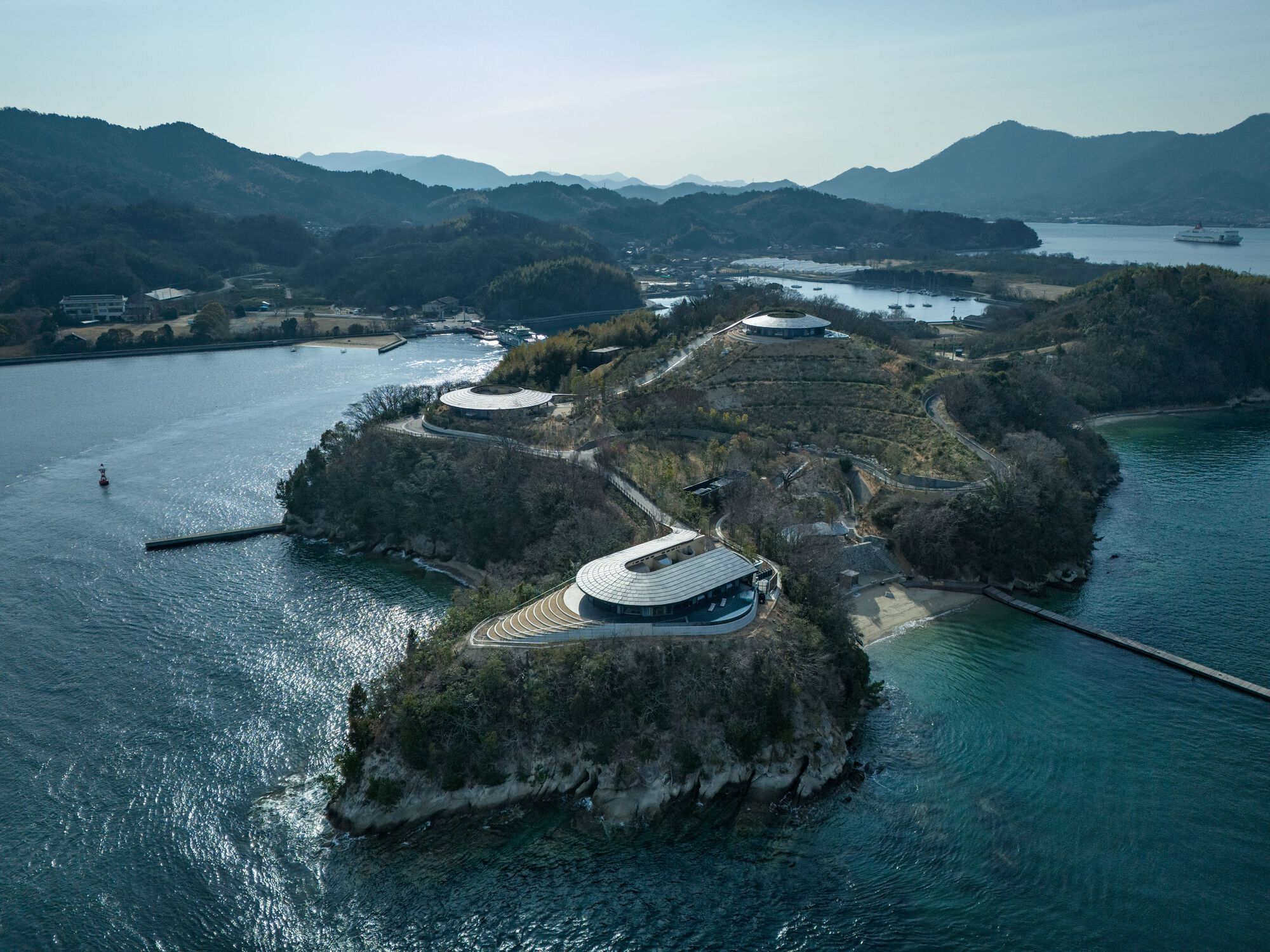
According to the UN, the "buildings and construction sector is by far the largest emitter of greenhouse gases." Sustainable architecture, in essence, tries to change that-and is more needed than ever. As climate change intensifies, it challenges architects and designers to consider the impact of their work in every step of the building process, from raw materials to site impact to future maintenance, decades down the line.
The world spends 30 times more money destroying nature than protecting it. That's according to a new report from the United Nations Environment Programme (UNEP) that exposes a massive gulf between so-called "harmful investments" and financing that promotes nature preservation. The global environment agency's latest "State of Finance for Nature" (SNF) report is calling to phase out the US$7.3 trillion (6.2 trillion) in global investments that damage nature including into high-emissions energy infrastructure and manufacturing, for example.
Cities around the world share a common goal: to become healthier and greener, supported by civic infrastructure that restores ecosystems and strengthens public life. The question is how to reach this. Global climate targets, local building codes, and municipal standards increasingly guide designers and planners toward better choices. Still, many cities struggle to translate these frameworks into everyday, street-level comfort and long-term ecological protection.



.jpg)