Agriculture
fromModern Farmer
19 hours agoHow to Kill Winter Crops Without Losing Soil Gains
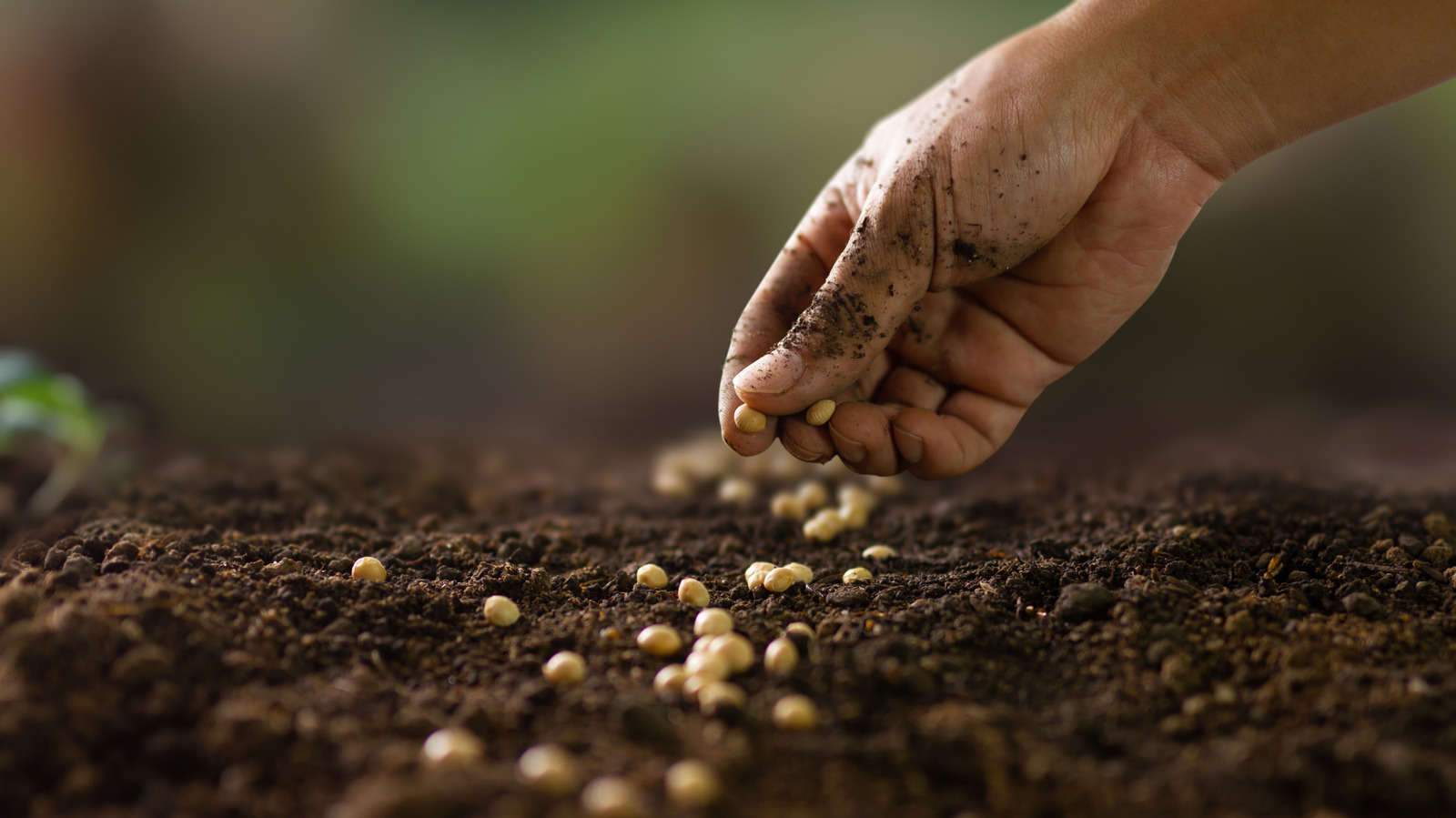
Proper timing and method for terminating cover crops are crucial for maximizing soil biomass and ensuring successful subsequent crop growth.
"Nobody is asking for this. None of the farm groups want this. No one in conservation wants this. Nobody." Robert Bonnie, former Forest Service undersecretary, highlights widespread opposition to the reorganization.
Around a third of UK gardeners use pesticides, and our studies found that house sparrow numbers, for example, were nearly 40% lower in gardens where the pesticide metaldehyde was used. By reducing pesticide use, you can actively encourage birds back into your outdoor spaces, as they rely on invertebrates such as slugs and snails as natural prey.
Wildfires have become an ever bigger problem in Canada. The 2018 wildfires were the biggest in British Columbia's history, but this record was broken in 2021, and then again in 2023, when fires consumed an area three times the size of the Canadian province of Nova Scotia and the smoke travelled as far as New York City.
Tucked into the ridges overlooking California's San Francisco Bay and against an expansive nature area, the house Thouati and his wife have owned for 30-some years sits in one of the highest wildfire-threat areas in the state. A scientist with a penchant for diving deep, he poured into the research. Hundreds of articles later, he said, it became clear I had to swallow my pride.
The new trees number in the thousands - at least 4,000 per acre or as many as 20,000, depending on who is counting. A few rise above head-height, the most energetic sentinels of regeneration. What will become of this nursery in the wild in the next hundred years, or thousand, is the crux of a scientific and policy dispute.
For Staller, foraging is a "precious" and "simple" activity that one can do to connect with nature. They can experience a sense of mindfulness from gathering together, looking for food and then cooking the bounty, she said. "We are returning to the most basic part of being a human, which is eating food and celebrating it," Staller said. "It's a lost artform."
Wildlife populations are in decline. Recreation sites are crowded and often underfunded. Wildfires are larger, more destructive and harder to control. Climate change is reshaping natural systems, from ocean fisheries to mountain snowpacks, faster than institutions can respond. At the same time, communities are being asked to host new energy projects, transmission lines and mineral development - often without clear processes, adequate resources or trust that decisions are being made in the public interest.
It was a Saturday in February 2020 when the flood came. It had been a wet winter, so wet it seemed that before the month was out, the brown trout of the River Taff might be washed clean out into Cardiff Bay before the fishing season had even begun. But this is Wales. People are used to a spot of rain.
The world spends 30 times more money destroying nature than protecting it. That's according to a new report from the United Nations Environment Programme (UNEP) that exposes a massive gulf between so-called "harmful investments" and financing that promotes nature preservation. The global environment agency's latest "State of Finance for Nature" (SNF) report is calling to phase out the US$7.3 trillion (6.2 trillion) in global investments that damage nature including into high-emissions energy infrastructure and manufacturing, for example.
Cities around the world share a common goal: to become healthier and greener, supported by civic infrastructure that restores ecosystems and strengthens public life. The question is how to reach this. Global climate targets, local building codes, and municipal standards increasingly guide designers and planners toward better choices. Still, many cities struggle to translate these frameworks into everyday, street-level comfort and long-term ecological protection.
Waterways across Contra Costa County are increasingly threatened by invasive plant species that engulf canals and drains, decreasing biodiversity and reducing safe habitats for wildlife. In an effort to address and restore the environment, the Contra Costa County Flood Control and Water Conservation District is working to reverse that trend. The district hosted its recent 12th annual Giving Natives a Chance event at the Clayton Valley Drain near Concord's Hillcrest Community Park, inviting volunteers from across the county to plant native species around waterways and drains.