#fitbit
#fitbit
[ follow ]
#ai-health-coach #wearable-technology #google #fitbit-premium #personalized-fitness #gemini-ai #fitness-trackers



fromTechRepublic
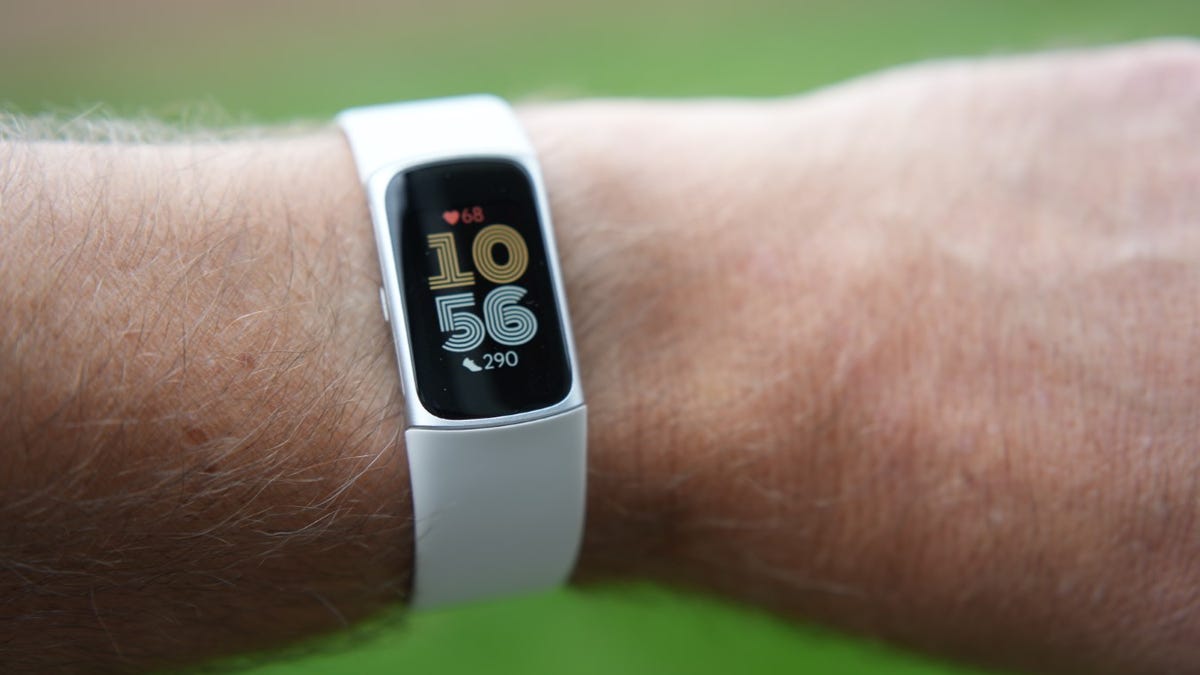
2 months agoFitbit's Gemini AI Coach Expands to iPhone, 5 New Countries
The Public Preview, which first launched in the US on Android last October, is now rolling out to iOS users in the US and to both iOS and Android users in the UK, Canada, Australia, New Zealand, and Singapore. The feature remains tied to Fitbit Premium and supported devices, reinforcing Google's strategy of pairing generative AI with subscription-based health services.
Gadgets
fromThe Verge
2 months agoFitbit expands access to its AI health coach
Google announced on Tuesday that the public preview of Fitbit's AI personal health coach is rolling out to iOS users in the U.S. as well as both iOS and Android users in the UK, Canada, Australia, New Zealand, and Singapore. It initially launched in October, when it was only available in the U.S. on Android devices. To try out the feature, users need to have an active Fitbit Premium subscription and use a Google account to sign into the Fitbit app.
Tech industry
fromThe Verge
6 months agoGoogle's entire Fitbit lineup is already seeing steep discounts for Black Friday
Black Friday is still nearly a month off, but that hasn't stopped the big-name retailers - specifically Amazon, Walmart, and Best Buy - from discounting a slew of Fitbit devices in the run-up to the main event. Most of the company's smartwatches and fitness trackers are either matching or exceeding their lowest price to date, and in some cases, they're the cheapest they've been since last year.
Wearables

fromWIRED
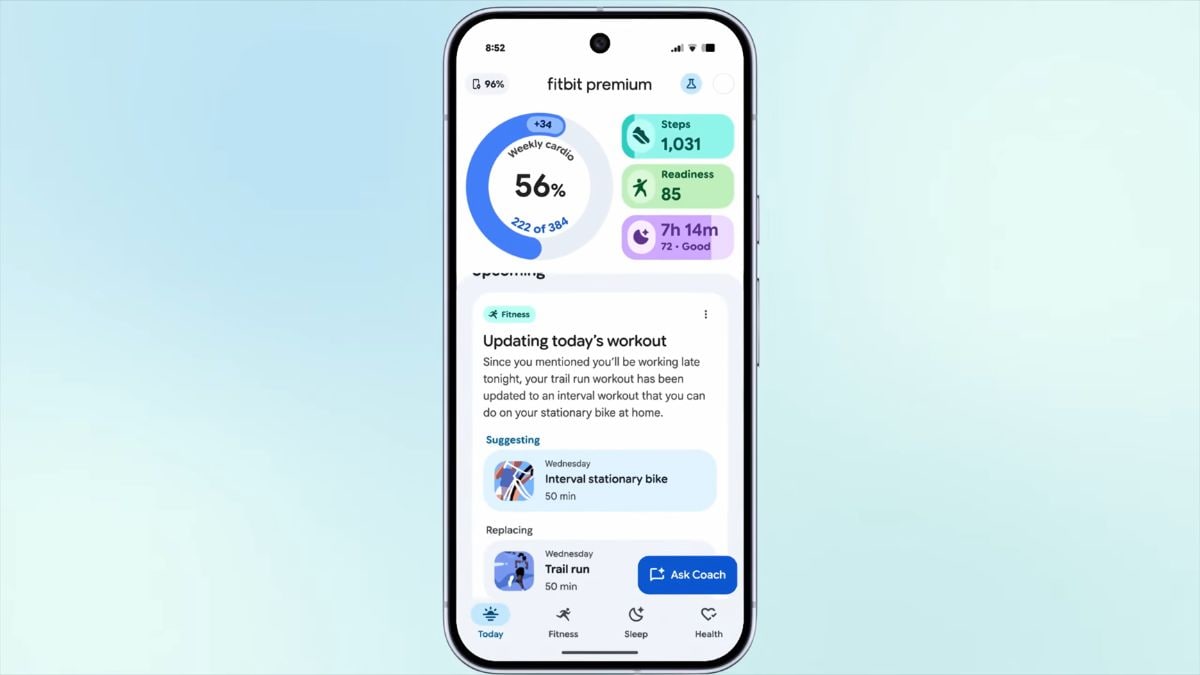
6 months agoThe Best Prime Day Fitness Tracker Deals to Help You Get on Track
The wellness industry is booming. Even as we're downing our protein powders and installing walking pads under our desks, one of the best ways to take stock of your fitness is by donning a simple fitness tracker. Even if you're a little ways away from planning out a complete strength routine, a little wrist-worn tracker is a simple way to nudge yourself to stand up a few more times or get a little more rest.
Wearables

fromwww.mercurynews.com
8 months agoGoogle, Stephen Curry ink multiyear health tech deal
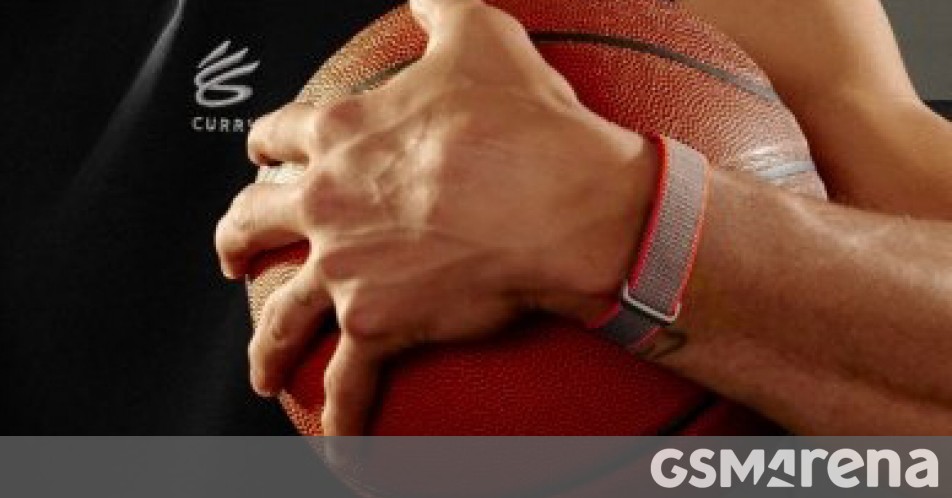
Google has named Golden State Warriors guard Stephen Curry the company's performance adviser for Google Health and Fitbit wearable technology products, part of a multiyear partnership with the NBA superstar. Curry and his team will work with Google's health experts to test the company's personal health coach and collaborate with AI engineers to fine-tune products, train algorithms and design future product experiences.
Gadgets
fromNews Center
9 months agoFirst Study to Use Consumer Wearables to Predict Pediatric Surgery Complications - News Center
Today, consumer wearables are ubiquitous, with many of us relying on them to count our steps, measure our sleep and more. Our study is the first to take this widely available technology and train the algorithm using new metrics that are more sensitive in detecting complications.
Health
Wearables
fromZDNET
11 months agoThese 3 new Fitbit Labs AI features aim to demystify your health and medical records
Fitbit's new AI features aim to enhance user understanding of health and medical data.
The Medical Record Navigator simplifies complex medical reports into clear summaries.
Symptom Checker provides insights on health symptoms to help inform medical decisions.
Unusual trends notifications alert users to potentially significant changes in their health metrics.
fromIPWatchdog.com | Patents & Intellectual Property Law
1 year agoSCOTUS Denies Cellpsin Petition Seeking Recusal Based on Federal Judge's Financial Ties to Google
Cellspin Soft argued that the district judge's financial ties to Google compromised her impartiality, asserting that this bias should have mandated her recusal under 28 U.S.C. § 455(a).
Intellectual property law
[ Load more ]