#german-defense-policy
#german-defense-policy
[ follow ]
#nato #germany #russia #ukraine #international-relations #european-security #european-defense #defence-spending
#uk-defence
UK politics
fromLondon Business News | Londonlovesbusiness.com
1 day agoMoD has lost track of 95,000-strong war reserve as defence readiness fears mount - London Business News | Londonlovesbusiness.com
The UK lacks updated information on 95,000 former service personnel in its strategic reserve, raising concerns about defense preparedness.


#ukraine
Russo-Ukrainian War
fromLondon Business News | Londonlovesbusiness.com
6 days agoUkrainian strikes hit more than 70 'defence-industry, and supporting infrastructure inside Russia' - London Business News | Londonlovesbusiness.com
Ukrainian long-range strikes against Russian targets have intensified, focusing on military and energy infrastructure to reduce enemy capabilities.
Europe politics
fromLondon Business News | Londonlovesbusiness.com
2 days agoBaltic states block Slovak PM's air route to Moscow amid deepening EU-Russia tensions - London Business News | Londonlovesbusiness.com
Baltic states blocked Slovak PM Fico's airspace for Moscow trip, highlighting EU divisions over relations with Russia.
fromSpiegel
6 days ago(S+) Defense in Orbit: Germany Goes Big in the Military Space Race
The German military also uses this airborne communications hub, which allows command staff and soldiers deployed abroad to communicate across continents. The information they share is classified, strictly confidential.
Germany news
fromwww.thelocal.fr
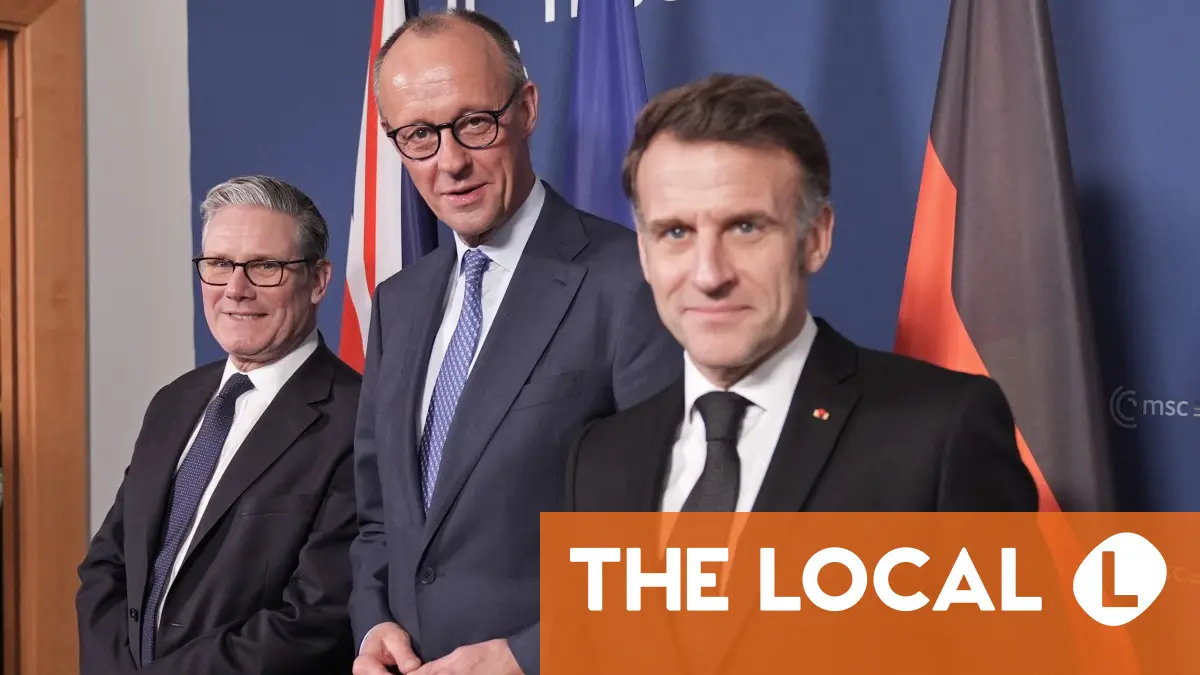
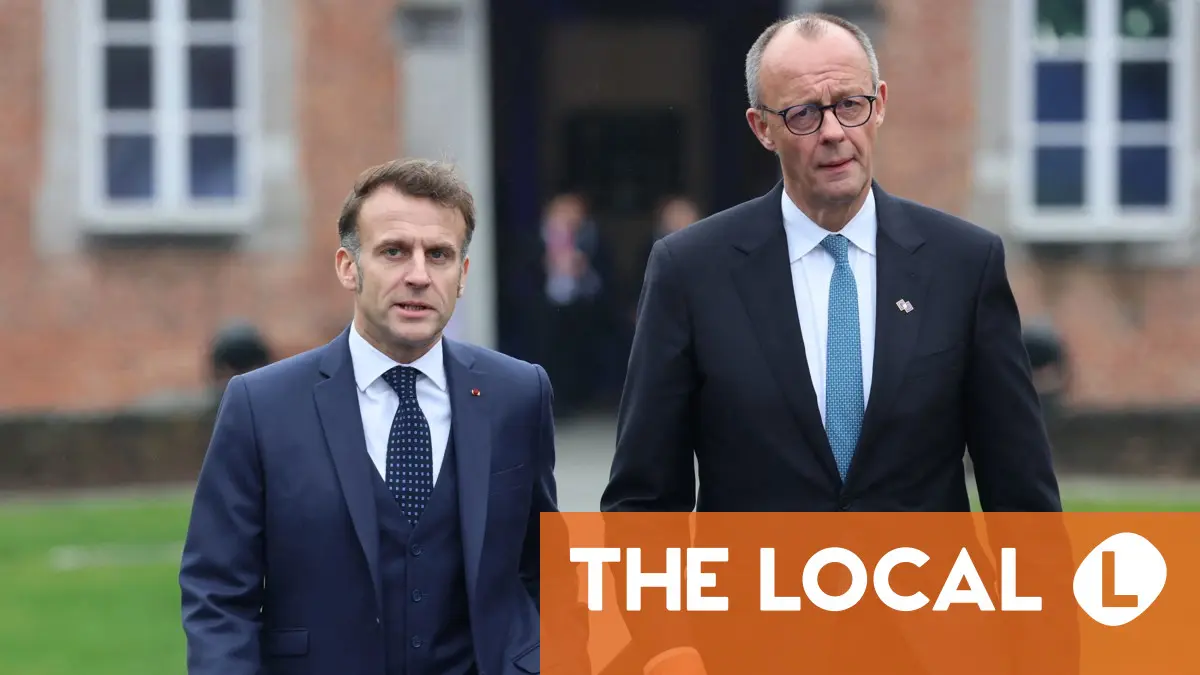
2 months agoOPINION: Macron's offer to 'extend' the French nuclear umbrella to Europe is fraught with problems
France has offered to 'extend' its nuclear umbrella to other European countries without actually 'sharing' it. How can that work, asks John Lichfield. This will be the subject of a speech by President Emmanuel Macron in the next two weeks which could be one of the most important speeches in European history. Or a damp squib. Macron has promised to update France's nuclear doctrine. In other words, he will revisit the rules which have governed use of France's force de frappe or nuclear deterrent
France news
fromwww.dw.com
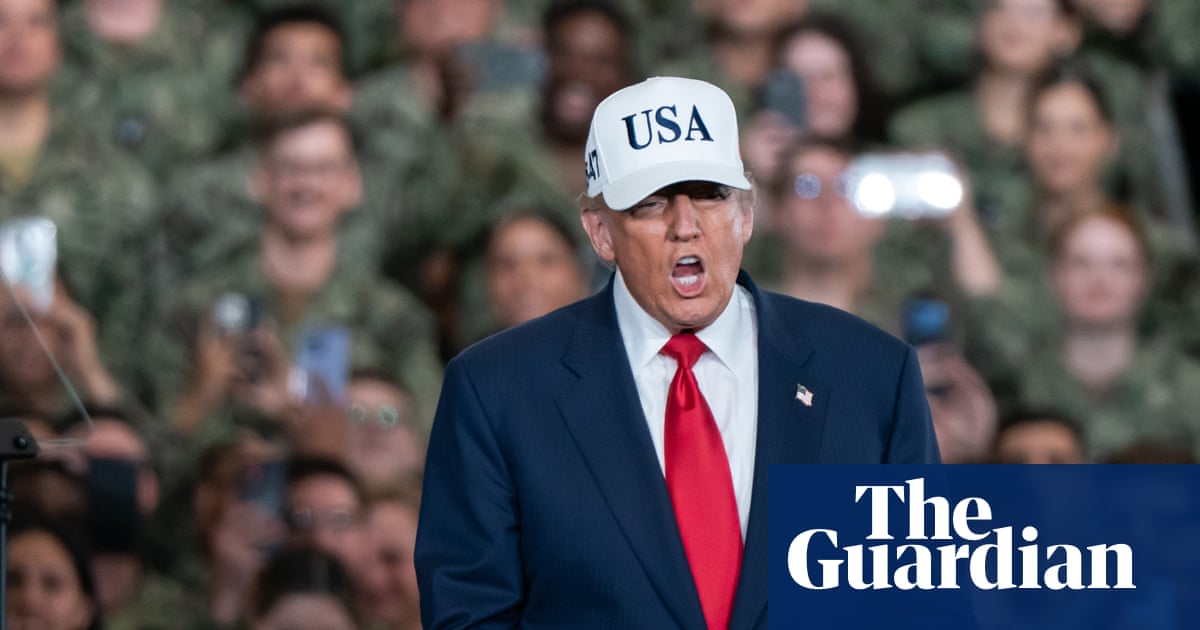
2 months ago'Threat to world peace': How Germans see the US now
After the tensions of the George W. Bush era, the new US president's approval ratings among Germans skyrocketed. According to a Pew Research Center survey, 93% of Germans believed Obama would "do the right thing regarding world affairs." That remains a record to this day. Even in 2016, at the end of his second term, an extraordinary 86% of Germans still trusted Obama.
US politics
World politics
fromLondon Business News | Londonlovesbusiness.com
1 month agoNATO warns to prepare for war that our 'grandfathers saw' - London Business News | Londonlovesbusiness.com
NATO warns that unchecked Russian aggression risks triggering a new world war, with Poland particularly vulnerable due to its border proximity to Russia and Ukraine.
fromwww.theguardian.com
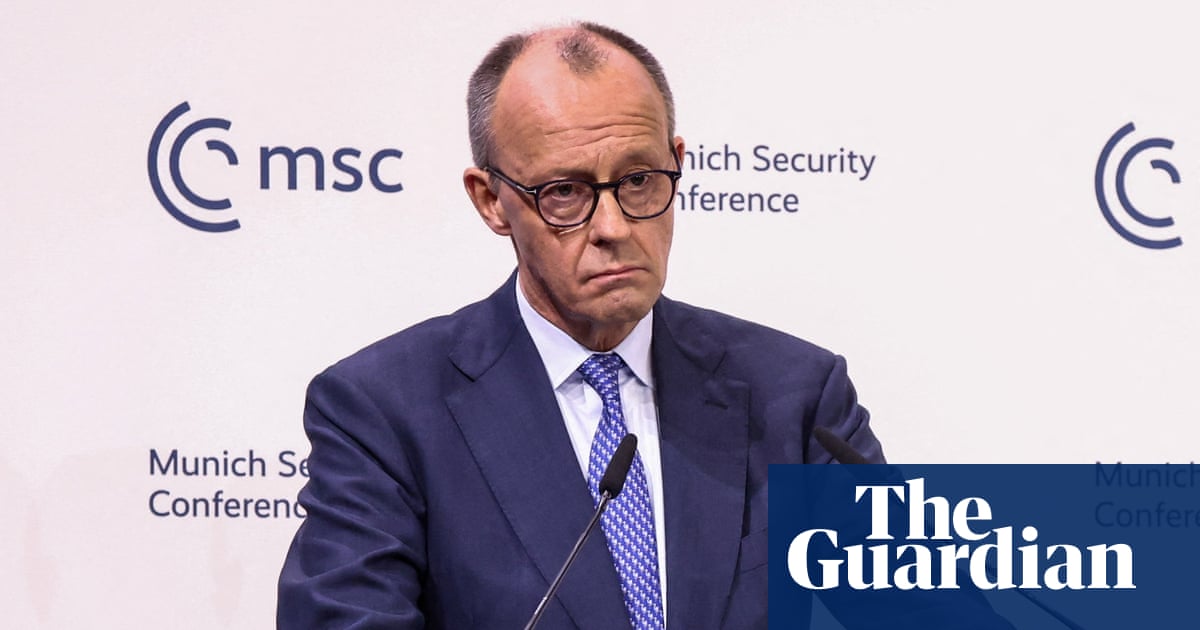
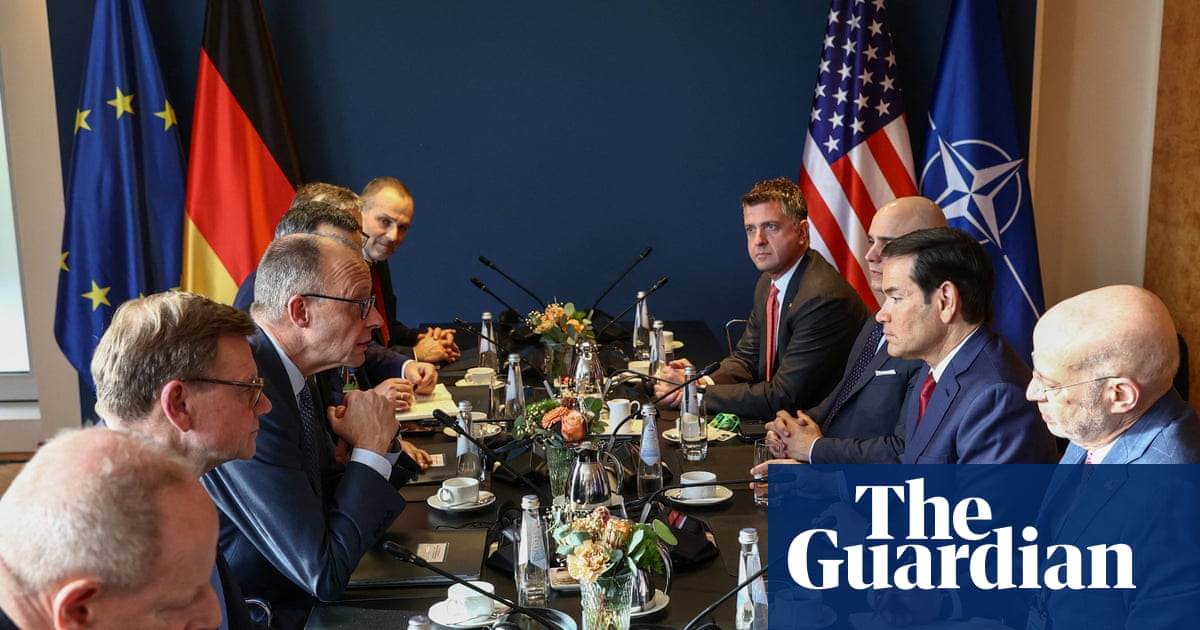
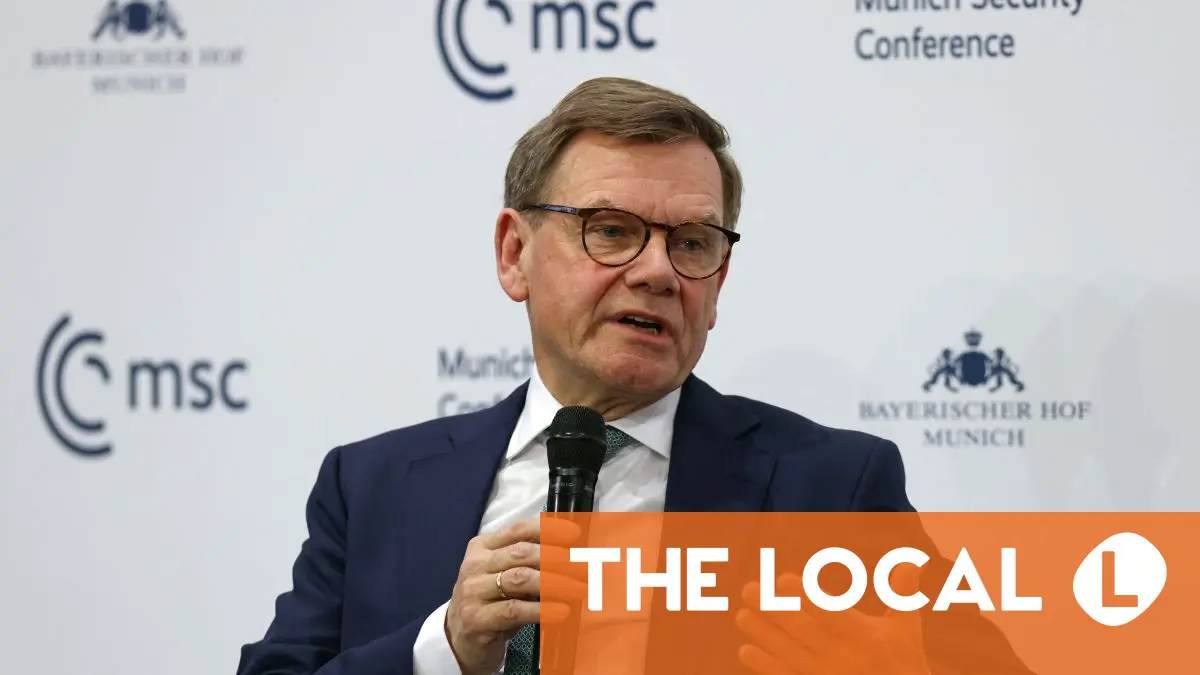
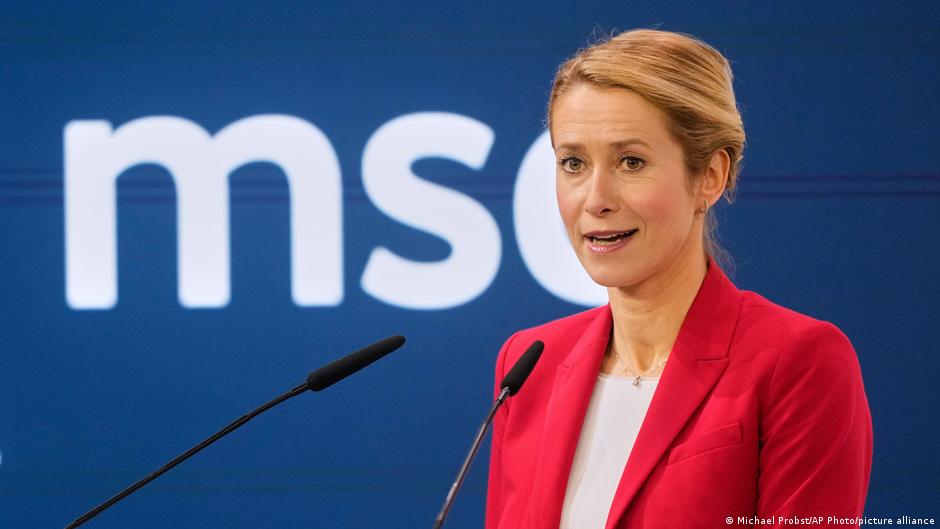
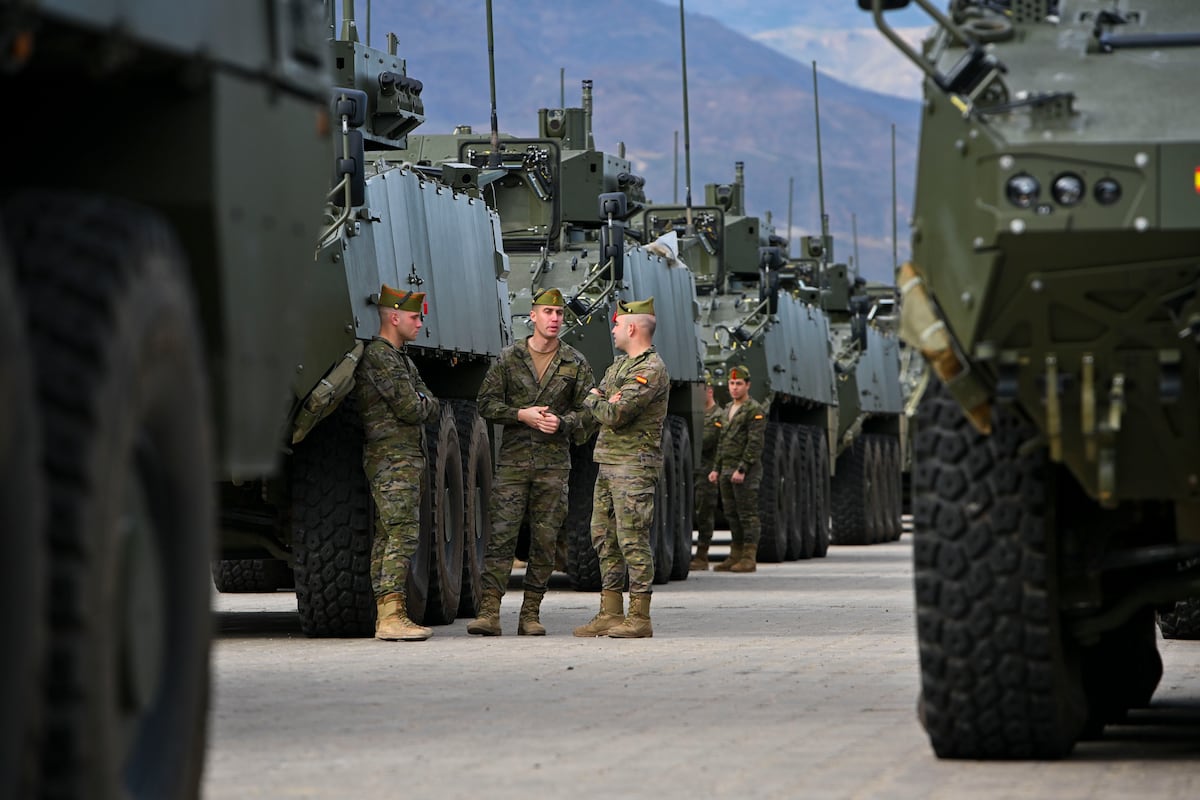
2 months agoStarmer stresses urgency' of closer defence ties with Europe at Munich conference
Keir Starmer said there was an urgent need for a closer UK defence relationship with Europe, covering procurement and manufacturing, so that the UK is at the centre of a stronger European defence setup. In a rare visit to the Munich Security Conference, the British prime minister told the audience, to applause, we are 10 years on from Brexit. We are not the Britain of the Brexit years.
Europe politics
fromwww.dw.com
2 months agoGermany's Bundeswehr goes on military spending spree
Germany's military, the Bundeswehr, is currently on a spending spree: it has more than 108 billion ($129 billion) at its disposal this year a gigantic, unprecedented sum. This is being financed both by the official federal budget and special funds, for which the state is taking out loans. This money is intended to make the Bundeswehr, which has been subject to decades of cutbacks, more powerful and modern. There is also time pressure.
Germany news
Germany news
fromThe Local Germany
2 months agoGermany to strenghten critical infrastructure as Russia fears spike
Germany will require about 1,700 essential service providers to strengthen security, conduct risk assessments, and promptly report incidents to protect critical infrastructure from sabotage.
[ Load more ]