#heritage-plants
#heritage-plants
[ follow ]
#gardening #sustainability #plant-care #soil-health #pest-control #native-plants #seed-starting #self-sufficiency


Online marketing
fromSocial Media Explorer
3 weeks agoScrolling for Shade: What Homeowners are Actually Searching for Regarding Tree Care - Social Media Explorer
Social media tree-trimming trends prioritize aesthetics over proper arboriculture; professional pruning serves biological functions like wind resistance, not just visual appeal.
London
fromTravel + Leisure
4 weeks agoSouthern England Is a Paradise for Gardening Aficionados-Here Are the Most Beautiful Gardens to Visit
Bluebells create breathtaking visual carpets in English woodlands during spring, inspiring poets and garden enthusiasts with their ephemeral beauty and delicate scent.
fromwww.theguardian.com
3 weeks agoSmall changes in how we garden can make a big difference to birds | Letter
Around a third of UK gardeners use pesticides, and our studies found that house sparrow numbers, for example, were nearly 40% lower in gardens where the pesticide metaldehyde was used. By reducing pesticide use, you can actively encourage birds back into your outdoor spaces, as they rely on invertebrates such as slugs and snails as natural prey.
Pets
fromArchDaily
3 weeks agoBuilding with Earth: Traditional Knowledge in Contemporary Architecture
Rather than representing a simple return to the past, this renewed interest reflects a broader reconsideration of how architecture engages with materials, local resources, and environmental conditions.
Renovation
Miscellaneous
fromwww.theguardian.com
4 weeks agoThe best places to buy plants online, according to top gardeners and landscape designers
Online plant nurseries offer wider plant selections and specialized varieties, making them ideal alternatives to local garden centers, especially for those without nearby options or preferring car-free shopping.
LA real estate
fromLos Angeles Times
35 years agoFOCUS : Trees Have Roots in Placentia Grass Eaters Cult
A modest Orange County neighborhood was built over the site of a 19th-century religious colony called the Placentia Grass Eaters, whose only remaining evidence is two macadamia nut trees marked by a bronze plaque.
fromwww.mercurynews.com
1 month agoExhibit chronicles four generations of a Sunnyvale orchard family
Where multi-story apartment buildings are now being constructed once stood the Butcher family orchard. The farm had been in the family since 1881, when Rolla and Emma Butcher bought 160 acres of land. After Rolla's early death, Emma ran the farm by herself, planting fruit trees while raising her young children.
East Bay (California)



History
fromSmithsonian Magazine
2 months agoNewly Digitized Records Reveal How Indigenous People Shared Their Knowledge of New Zealand's Plants With Captain Cook's Crew
Digitized 18th-century botanical records reveal detailed knowledge exchange between European botanists and Māori during Captain Cook's 1769 New Zealand expedition.
Agriculture
fromTasting Table
2 weeks agoCan You Grow A Garden From Grocery Store Produce Seeds? - Tasting Table
Growing vegetables from store-bought seeds is possible but results vary based on produce type, growing method, and post-harvest treatment, with hybrid plants producing different crops than their parent plants.
fromTasting Table
2 weeks agoThis Self-Seeding Herb Practically Grows Itself Once Established In Your Garden - Tasting Table
Garden angelica, Angelica archangelica, belongs to the Apiaceae family, the same botanical group as carrots, celery, fennel, and parsley. Like its relatives, it produces a large, distinctively umbrella-shaped inflorescence, or flower cluster, called umbels. In its first year, the plant forms a lower mound of bright green leaves. In the second, a thick, hollow stem shoots upward and unfurls the broad green flower heads that resemble wild carrot or Queen Anne's Lace.
Agriculture
Agriculture
fromArchitectural Digest
2 weeks agoJohnnie and Sophie Boden Cultivate Their Respective Visions in Their English Garden
Fashion entrepreneur Johnnie Boden and his wife Sophie maintain distinct gardening territories at their 500-acre Dorset estate, with Johnnie cultivating wildflower meadows and Sophie designing ornamental gardens of shrubs and perennials.
Agriculture
fromModern Farmer
3 weeks agoHow to Start Tomato Seeds: 5 Expert Growing Tips
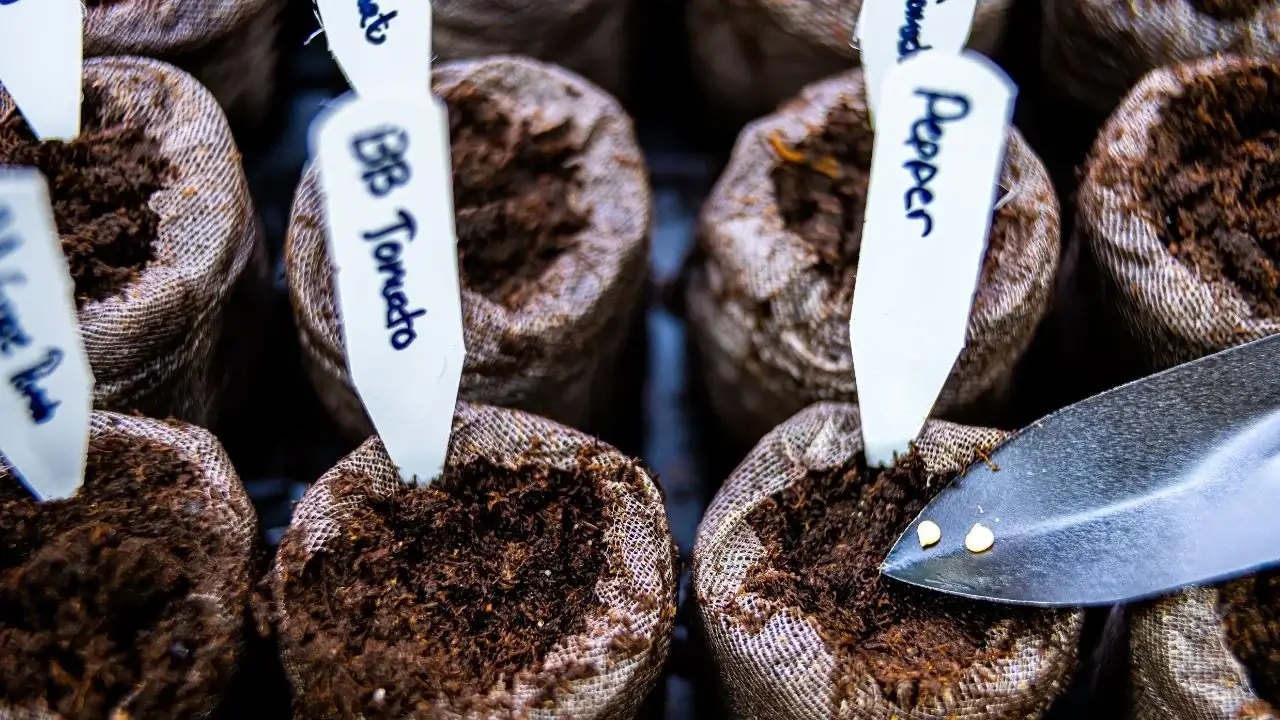
Tomato success depends on choosing between indeterminate varieties for long seasons and determinate varieties for short growing periods, then starting seeds indoors four to six weeks before the last frost in most North American regions.
fromBuzzFeed
2 months agoHow Much Do You Really Know About What's Safe To Eat In The Wild?
Nature is truly amazing, but it is also terrifying. Being the homebody that I am, I'm always wondering what would happen if I were ever in a situation where I'd have to survive out in the wild. It's tough out there, y'all. And it's important to know how to make it out alive. Do you think you have what it takes? Take this quiz to find out if you're a born forest lover, or you're better off on the couch like I am. Let's go!
Environment
Agriculture
fromArchitectural Digest
1 year ago13 Raised Garden Bed Ideas to Elevate Your Backyard This Spring
Raised beds allow gardeners to engineer ideal soil conditions, improve ergonomics, protect crops from pests, and enable faster soil warming and easier watering compared to ground-level gardening.
fromwww.theguardian.com
2 months agoNow is the perfect time to sort out your garden seeds, the Monty Don way
Lots of pressure at this time of year, isn't there? All those pink cheeks and sweaty brows puffing their way around the park in dusted-down trainers; all those Botivo mocktails (delicious, for what it's worth) as we strive to self-improve during one of the most grisly months of the year. I've never really been one for resolutions, nor time-measured sobriety (amazing how having small children deflates one's desire to drink enough to conjure a hangover).
Environment
fromwww.theguardian.com
2 months agoHouseplant hacks: can you really use banana water as a fertiliser?
You are not alone: social media is full of claims that soaking banana skins in water makes a fertiliser that will give you bigger leaves and better blooms. The hack Put banana peels in a jar of water, leave them to sit, then pour the liquid on your plants. Bananas do contain potassium and small amounts of other nutrients. The snag is you have no idea how strong it is or what's missing.
Environment
fromwww.theguardian.com
1 month agoWhen it comes to preparing seeds for your garden, you'll reap what you sow
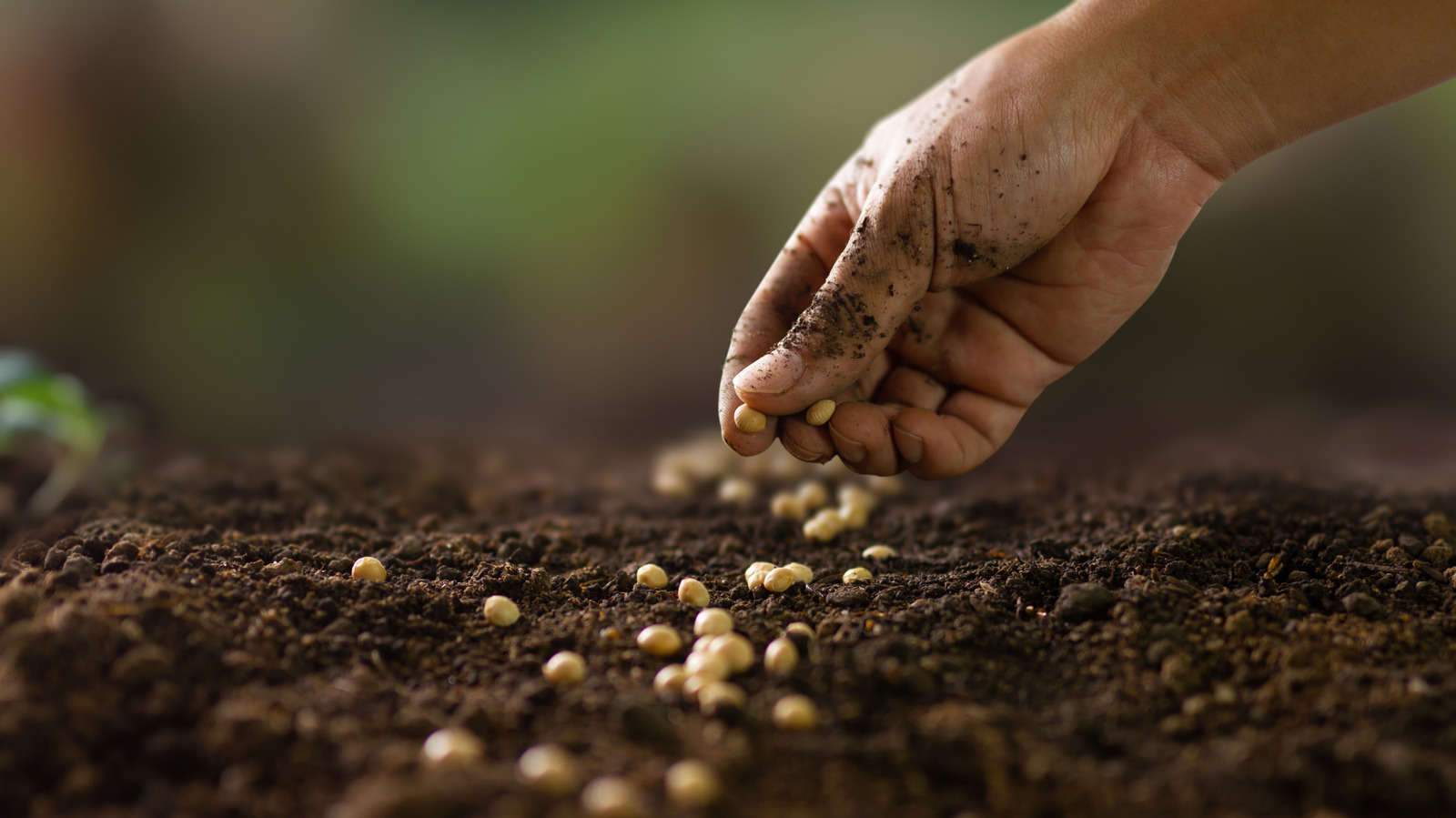
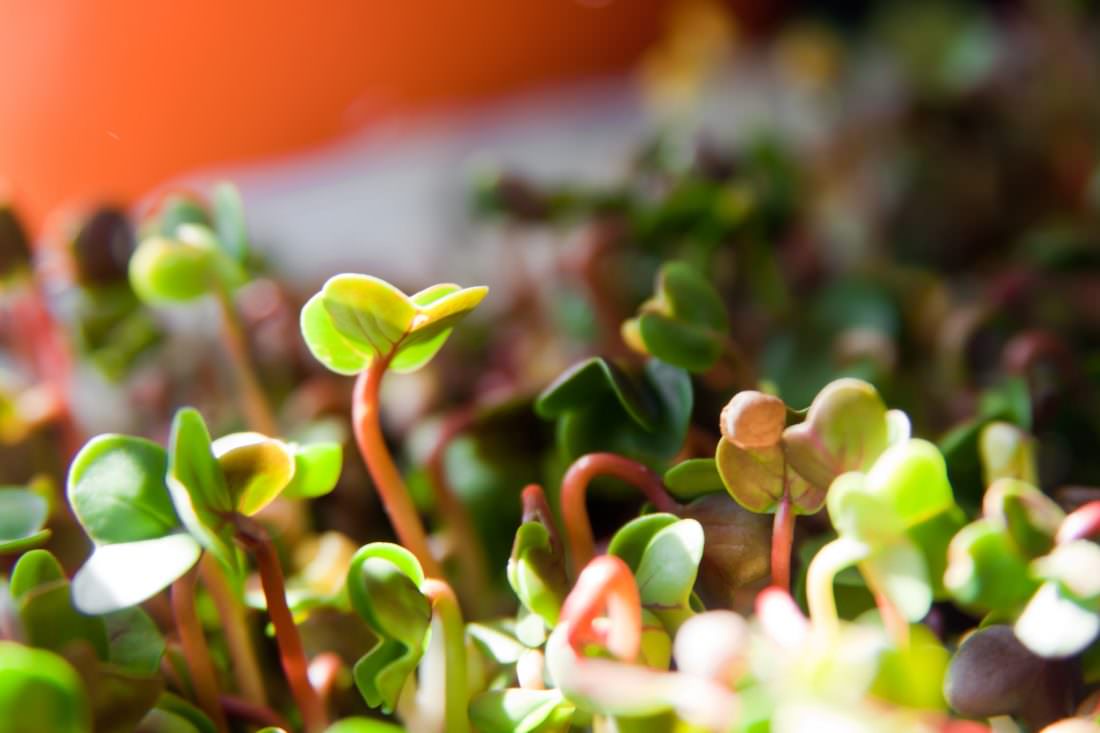
To an unimaginable eye, a seed looks inert. Yet they are packed with genetic information and biological processes poised to unfold. All it takes is the right configuration of signals and stimuli from the environment to let them know it's time to dare to grow.
Agriculture
Agriculture
fromBusiness Insider
1 month agoMy rare plants sell for five figures. The business helps me support my extended family, but I work about 100 hours a week.
A mathematician turned rare-plant hobbyist launched a full-time plant business, leaving academia to support an extended family through plant sales.
fromTasting Table
2 months ago15 Fruits And Vegetables You Can Start Growing In Late Winter - Tasting Table
Late winter is when keen gardeners can get a little restless. The weather is still cold, and spring still feels far away. Thankfully, you don't need to wait until the weather warms to start your growing season. There are plenty of fruits and vegetables that can be started in the late winter, ready for a bountiful harvest in the coming months. Each of these plants needs unique care in order to thrive, but thankfully, I can guide you through exactly the right steps.
fromTasting Table
2 months agoThe Slow-Growing Crop That Pays Off Big When You Start It From Seed - Tasting Table
People grow asparagus from crowns because it shortens the long wait times for harvesting. From seed, you'll need to wait three years before harvesting asparagus. Some people consider that a waste of time. The tradeoff is that you can keep harvesting every spring for up to 15 years or more. If you plant crowns, you get a one-year jump on things. However, those crowns may have soil-borne diseases you don't know about, so there is a risk involved. Seeds remove that problem.
Agriculture
fromDaily Coffee News by Roast Magazine
1 month agoIn Wake of India's "Green Revolution," Scientists Find Organic Soils Healthier
As concepts such as "regenerative" and "biodynamic" continue to enter the mainstream coffee lexicon, scientists continue to literally dig into the soil to give them meaning. A recent peer-reviewed study from India's Western Ghats argues that one of the clearest signals of healthy, sustainable coffee farms lies in the ground itself, with organic coffee soils performing better than soils from conventional farms treated with synthetic inputs.
Agriculture
fromInsideHook
2 months agoAn Essential Part of Farming Has Two Wings and a Beak
When you think of farming, what ingredients do you generally associate with a successful harvest? The basics certainly come to mind: fertile soil, plenty of sunlight and lots of water. But there are other variables that can also mean the difference between a crop of healthy fruits and vegetables and a large heap of organic waste. And it turns out that one of those variables is a very small hawk.
Agriculture
[ Load more ]