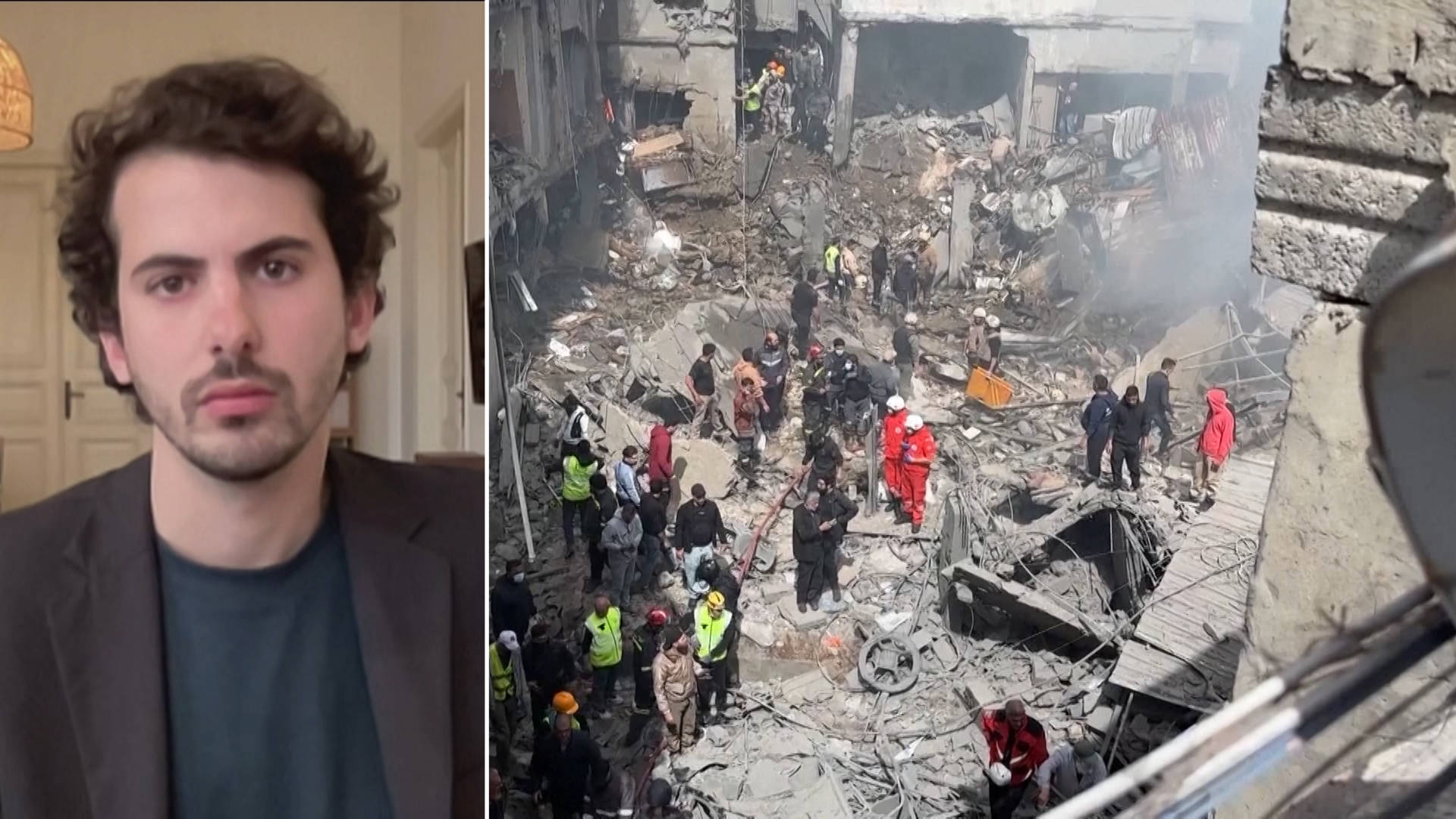
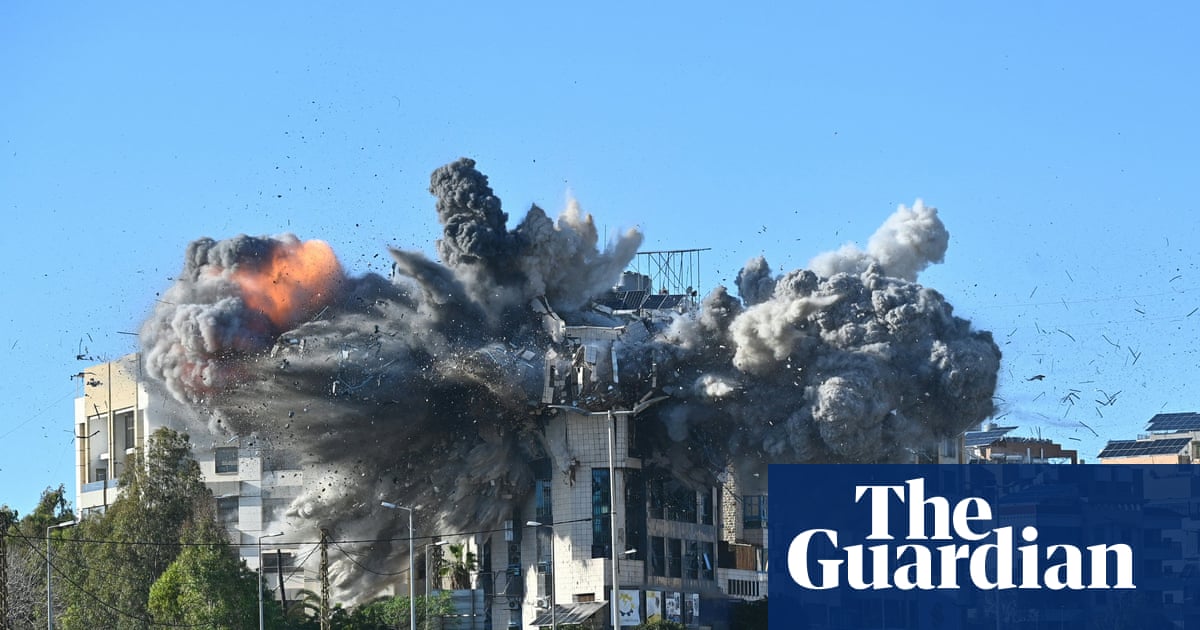
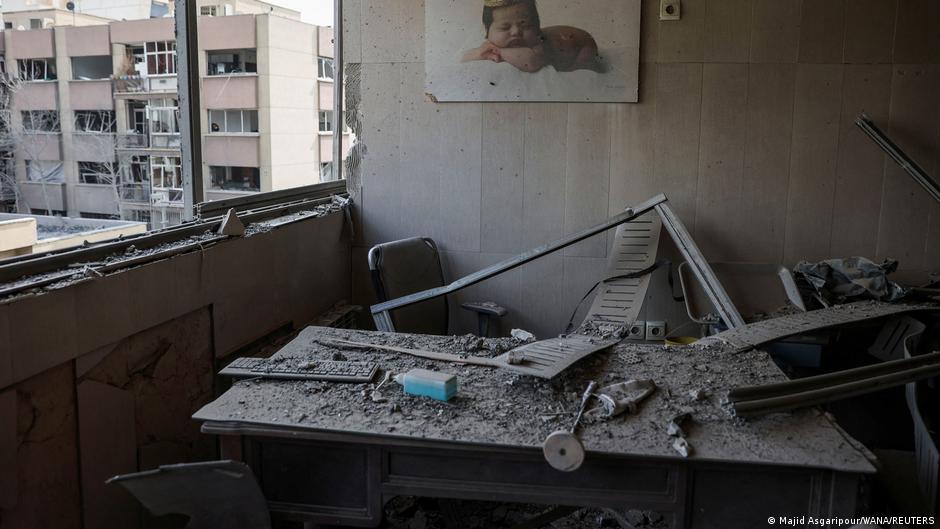
Under international humanitarian law, healthcare must be protected and not attacked. At a briefing on Thursday, Tedros Adhanom Ghebreyesus, director general of WHO, said it had verified 13 attacks on health care in Iran and one in Lebanon. Ghebreyesus did not give further details, or attribute blame, but said healthcare must be protected.
A few blocks from Revolution Square, in a former shantytown in Havana, Dr. Omitsa Valdes holds her consultations. It's a dusty, dilapidated place where she tells patients they must bring their own syringe and medication from home. But if a general checkup is needed, including urine and blood tests, Dr. Valdes is even more direct: If you can get it done yourself, I'll write the order.
With exhausted steps and eyes filled with tears, Hanaa al-Mabhuh moves between the hall displaying photographs of bodies and the morgue at al-Shifa Hospital in a grim search for any trace of her missing son. The 56-year-old mother wipes away tears with the back of her hand and stares at the decomposed faces on the screen, torn between the desire to find out what happened to her youngest child, while at the same time fearing he might be among the dead handed over by Israel under a US-brokered ceasefire deal.
On 1 February 2021, Myanmar's democratically elected government was overthrown in a military coup. There were mass protests against the military seizing power and many people were arrested for criticizing the new leadership. Frequent military airstrikes killed civilians and destroyed schools, hospitals and places of worship. According to the UK government, nearly 20 million people in Myanmar now need humanitarian aid.